Netherlands joins Pax Silica: The US just won a key ally in the AI supply chain race
NewsWednesday, 24 June 2026 at 14:16
Updated at Thursday, 25 June 2026 at 16:06
| Image Credit: Unsplash
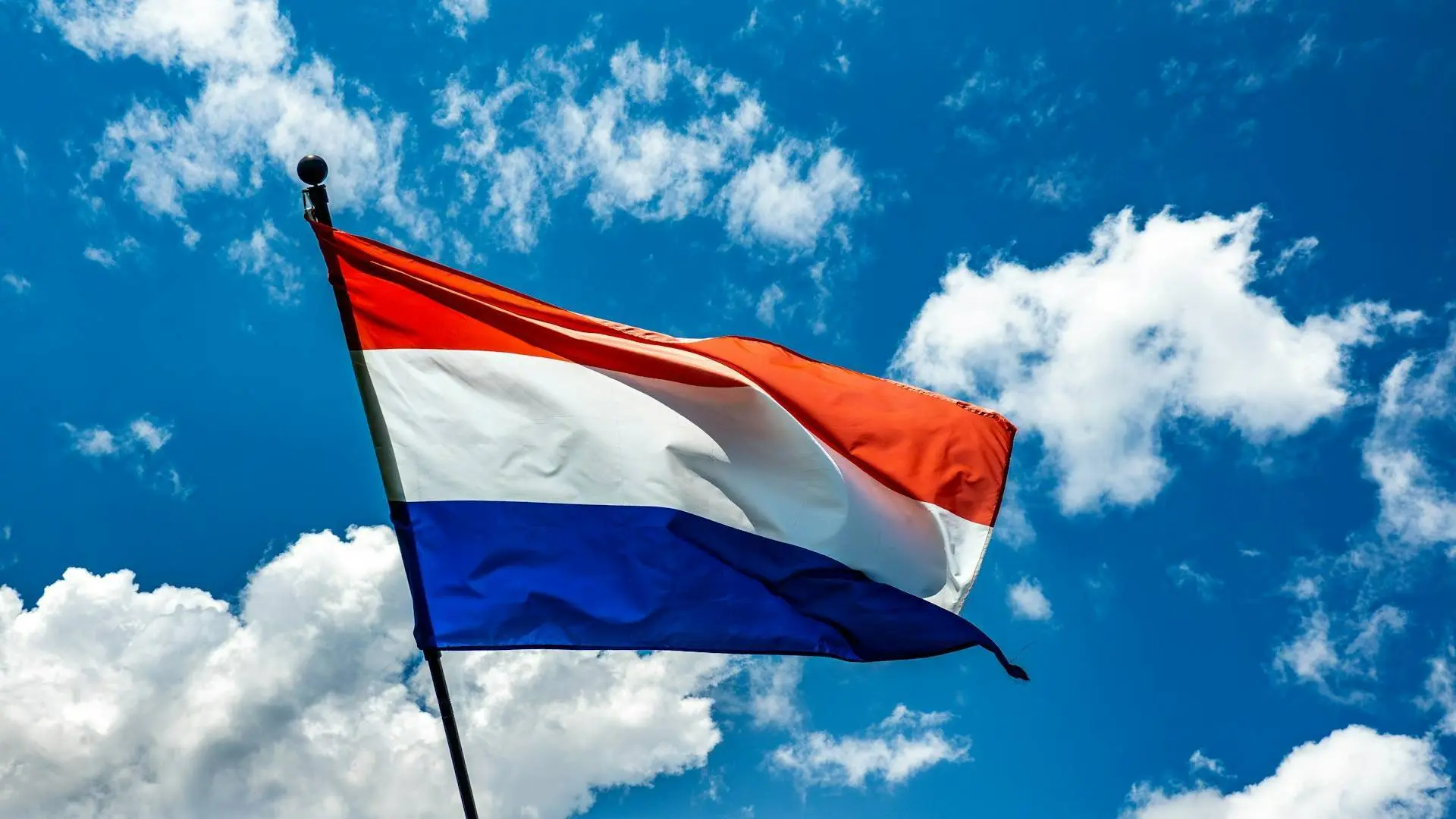
The Netherlands will become a formal signatory of Pax Silica, the US-led coalition coordinating AI and semiconductor supply chains, the Dutch foreign ministry announced on Tuesday. The announcement comes even as a bilateral dispute over chip equipment exports to China continues to simmer between the two allies.
The Netherlands and ASML dispute
Dutch participation in Pax Silica is considered an important win for one of the pillars of US tech diplomacy. According to Reuters, the move coincides with a visit to Washington by Dutch Trade Minister Sjoerd Sjoerdsma to lobby against the proposed US Match Act, which would force allies to align with Washington's export controls on China.
Sjoerdsma and Jacob Helberg, the US Under Secretary of State for Economic Affairs who heads the Pax Silica initiative, are expected to frame the move as promoting trade and economic security. The European Union is also expected to join the initiative at a future date.
While the US and Netherlands have agreed to restrict ASML from sending to China the advanced tools needed to make circuitry for AI chips, the countries disagree on whether ASML should be allowed to sell and service some less-advanced equipment to Chinese customers. The Netherlands' accession to Pax Silica therefore marks a notable diplomatic step, taken despite that unresolved friction.
What Is Pax Silica?
Pax Silica is the US Department of State's flagship effort on AI and supply chain security, advancing a new economic security consensus among allies and trusted partners.
From critical minerals and energy inputs to advanced manufacturing, semiconductors, AI infrastructure, and logistics, the United States is organising a coalition of countries around the principle of building a secure, resilient, and innovation-driven ecosystem across the entire global technology supply chain.
The initiative takes its name from the Latin pax, meaning peace and stability, and silica, the compound refined into the silicon that underpins modern computing.
Read also


The initiative was launched in December 2025 alongside the signing of the non-binding Pax Silica Declaration by an initial group of partner countries. Current signatories include Australia, Finland, India, Israel, Japan, Norway, Qatar, South Korea, Singapore, the Philippines, the UAE, the UK, and Sweden, with Taiwan endorsing the declaration's principles as a non-signatory participant.
In March 2026, the US Department of State announced its intention, working with Congress, to allocate $250 million in foreign assistance funding for a new Pax Silica Fund to support critical minerals extraction, processing, critical infrastructure, and manufacturing assets that support secure and reliable semiconductor supply chains.
The State Department added that it expects the fund to attract co-investment from large sovereign wealth and private sources that collectively control more than $1 trillion in assets.
Long-term goal
On June 25 and 26, at the US Department of State, Under Secretary Helberg will host a two-day Summit for Pax Silica partner economies. Participants will include current Pax Silica Declaration signatories, representatives from affiliate economies, and senior executives from leading companies building and financing technologies that will underpin the AI era. Senior officials will deliver remarks, announce new initiatives, and participate in a signing ceremony welcoming new Pax Silica partners.
Pax Silica seeks to establish a durable economic order that underwrites an AI-driven era of prosperity across partner countries. Its core objectives include reducing coercive dependencies, securing global technology supply chains, protecting sensitive technologies, and building trusted digital infrastructure. The Netherlands, home to ASML — the world's sole supplier of extreme ultraviolet lithography machines essential to advanced chip manufacturing — brings a strategically critical node to that supply chain coalition.

Latest comments
Loading