ASML CEO backs EU Tech Sovereignty Package, warns Brussels not to micromanage industry
NewsUpdated at
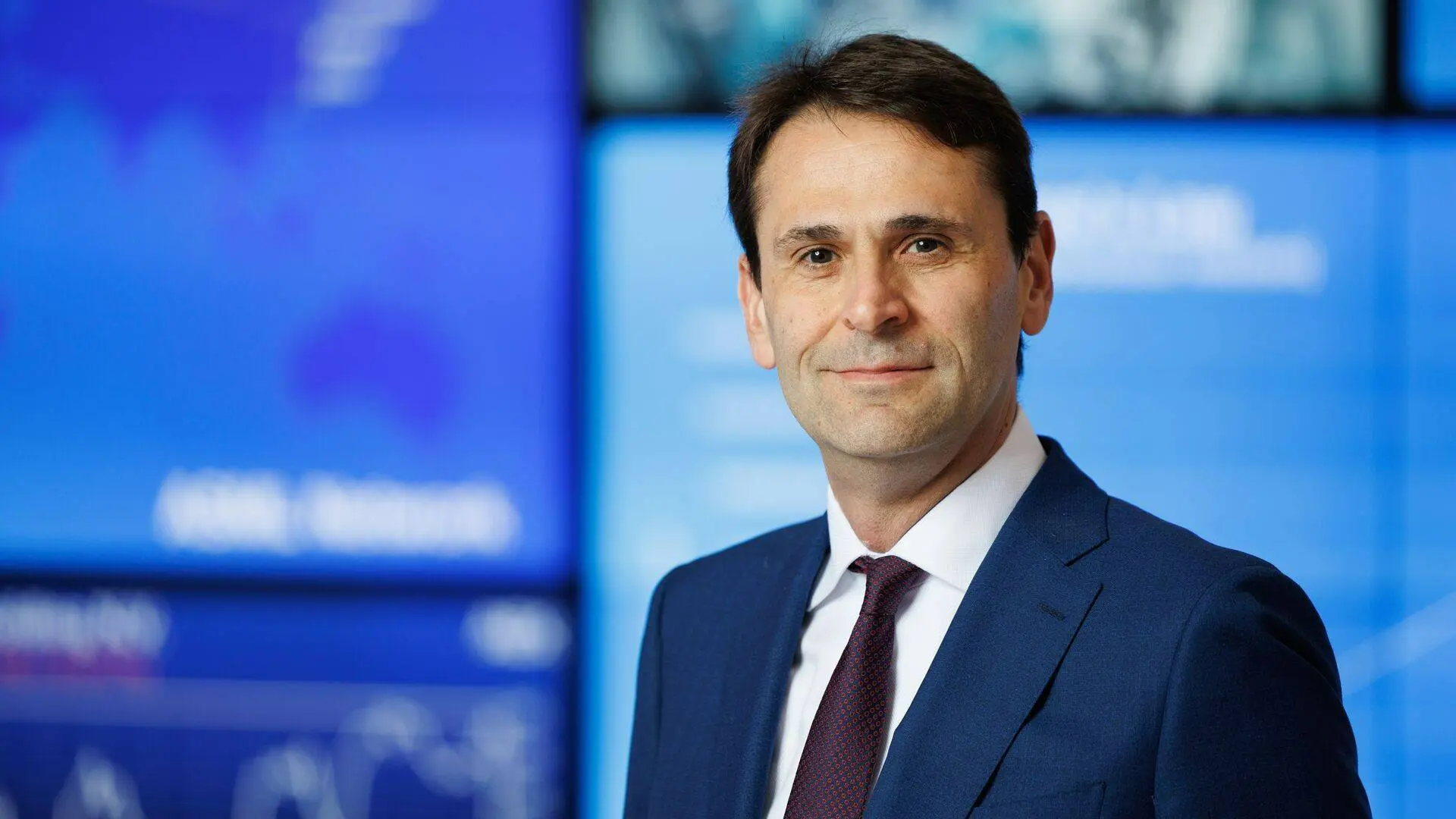
ASML chief executive Christophe Fouquet has welcomed the European Commission's sweeping technology sovereignty package as "an important step forward," while cautioning against over-complication and excessive Commission involvement in steering what he called "strategic projects" — warning that such decisions must remain driven by the needs of industry.
In a LinkedIn post, Fouquet said ASML "welcomes any action to strengthen the EU technology ecosystem," adding that "decisive and timely action is imperative to secure the EU's future competitiveness, geopolitical leverage and relevance." He also applauded the appointment of Jim Hagemann Snabe as Special Envoy, describing him as an innovation leader with "both the mandate and the means to deliver on the ambitions the EU is setting."
EU Tech Sovereignty Package: What you need to know
The European Commission presented the European Technological Sovereignty Package, a landmark set of legislative and strategic measures marking a fundamental shift in how the bloc approaches its digital future. The package targets Europe's dependence on foreign suppliers across semiconductors, cloud computing, and artificial intelligence.
The package comprises four distinct measures: two legislative proposals — the Chips Act 2.0 and the Cloud and AI Development Act (CADA) — alongside an Open Source Strategy and a Strategic Roadmap for Digitalisation and AI in Energy.
The revised Chips Act shifts the emphasis from building factories to building demand for European-made chips, prioritising next-generation semiconductor capacity specifically designed for AI workloads.
At the heart of the package sits CADA, which introduces a single EU-wide sovereignty framework for cloud and AI services and aims to triple Europe's data centre capacity over the next five to seven years. The urgency is underscored by market reality: US providers AWS, Microsoft Azure, and Google Cloud currently account for around 70 per cent of Europe's cloud market.
Read also



Fouquet's Praise and Warning
While broadly supportive, Fouquet drew a careful distinction between what the Commission is getting right and where it risks going wrong. He praised the package's recognition of demand-driven policy rather than supply-side interventions as the right foundation for strengthening Europe's technology ecosystem and creating a favourable business environment for high-tech industry.
However, he flagged concern over proposals for substantial Commission involvement in selecting and monitoring strategic projects.
"We need to avoid the risk of over-complication and bureaucracy, while relying on private sector expertise," he wrote, stressing that strategic projects "fundamentally need to respond to the needs of industry."
Despite those reservations, Fouquet's tone remained constructive. He expressed confidence that continued dialogue with the Commission would address these concerns and ultimately produce "a stronger EU technology industry within robust global value chains."
For European companies, the package represents a substantial opportunity — preferential public procurement, investment support, and a regulatory framework deliberately designed to favour homegrown alternatives. For US hyperscalers and non-EU tech companies, the measures introduce new compliance obligations and potential market restrictions, particularly in sensitive sectors.
The CADA's sovereignty risk assessments could effectively create a two-tier cloud market in Europe - one for sovereign, European-controlled providers, and another for foreign operators permitted only in lower-risk environments.
A Long Road Ahead
The legislative proposals - CADA and Chips Act 2.0 - must now pass through the European Parliament and receive approval from EU member states, a process that could take years before full enforcement becomes a reality.
The package nonetheless marks a decisive pivot in European policy: from a bloc known primarily as a technology regulator, the EU is now staking a claim as a technology builder. For that ambition to succeed, voices like Fouquet's and industry leaders who broadly support the direction but insist on private sector primacy will be ones Brussels cannot afford to ignore.

Popular news

AI Phone Agents Still Get Names Wrong | AI World Daily News

AI Phone Agents Still Make a Surprising Number of Mistakes with Names and Addresses

Chinese AI Maker Moonshot Limits Hacking Capabilities in New Kimi Model

Elon Musk SpaceX Secures 40 Billion Dollars for AI GPU Infrastructure

AI Financial Payoff Zero for Most Companies Outside Tech Sector
Latest comments
Loading