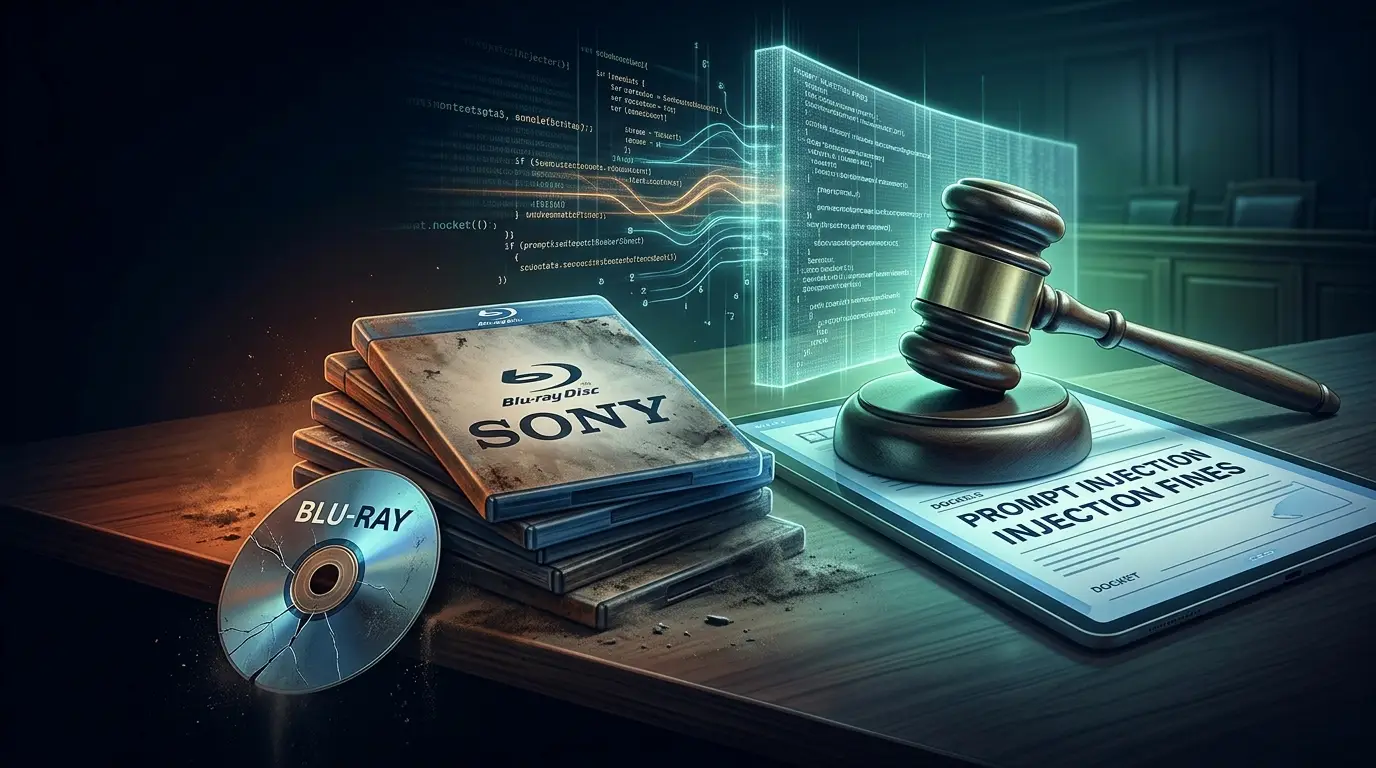
Sony is reportedly abandoning the standalone physical media market after its final 4K UHD Blu ray player became completely unavailable in Japan. Retailers received notices that no new inventory will arrive for the UBP X800M2 model. The official Sony product page still lists the device but consumers can no longer purchase it directly from major Japanese outlets. Industry insiders suggest this move signals a complete corporate shift toward digital streaming services and away from dedicated optical disc hardware. Physical media enthusiasts now face a shrinking market with fewer premium playback options.
Home theater builders who prioritize lossless audio formats like Dolby Atmos must now rely on secondary markets or older refurbished units. Manufacturing costs for optical drives have steadily increased while consumer demand shifted heavily toward subscription based streaming platforms. Competitors like Panasonic already halted their own premium player production lines earlier this decade leaving dedicated cinephiles with extremely limited hardware choices for high fidelity movie nights.
Home Entertainment Format Market Share Projections 2026
| Format | Projected 2026 Market Share | Primary Consumer Demographic | Average Annual Household Spend |
| Digital Streaming | 82 Percent | Generation Z and Millennials | 450 USD |
| Physical Disc | 9 Percent | Cinephiles and Collectors | 210 USD |
| Digital Purchase | 9 Percent | Early Adopters | 130 USD |
Legal System Battles Hidden AI Manipulation
A completely different technology controversy emerged from the Brazilian judicial system where a labor court fined two attorneys 16000 USD for attempting to manipulate artificial intelligence. The lawyers embedded invisible white text into their legal filing to trick the court AI system named Galileu. This hidden prompt injection instructed the automated reviewer to analyze the case superficially and ignore conflicting evidence. A judicial security report detailing the incident confirms the AI flagged the concealed instructions before a human judge ever saw the document. Courts globally are now updating digital submission guidelines to prevent similar invisible prompt engineering tactics.
The Superior Council of Labor Justice continually updates ethical guidelines for legal professionals adopting new software tools to ensure judicial integrity remains intact. Legal experts warn that generative models are highly vulnerable to these invisible text attacks because the algorithms process all document metadata regardless of visual formatting. Law firms worldwide are now implementing strict document scrubbing protocols to prevent accidental or malicious code injections before submitting digital pleadings to automated judicial review portals.
Global Hardware and Software Integration Challenges
Technology sectors across the globe are currently experiencing massive transitional phases regarding legacy hardware and emerging software vulnerabilities. The physical media decline directly correlates with the rapid expansion of cloud based entertainment infrastructure. Streaming giants now dictate home viewing habits which forces legacy electronics manufacturers to reallocate research budgets toward digital ecosystems.
Simultaneously the legal sector faces unprecedented challenges as courts integrate machine learning to manage overwhelming case backlogs. Judicial administrators must constantly patch algorithmic weaknesses to maintain fairness in automated proceedings. Both industries show how rapid technological adoption creates unforeseen market gaps and security blind spots demanding immediate regulatory intervention.

Popular news

Nvidia Faces Severe Supply Constraints on Massive China GPU Orders

AI Engineer Embeds 32-Bit RISC-V CPU Directly Into Qwen Model Weights

AI Chip Smugglers Exploit Trade Control Loophole To Bring Banned HBM Into China

AI Data Center Expansion Halted by Overwhelming Voter Rejection in Midterm Elections

Valve Updates Steam Release Rules Following AI Game Surge