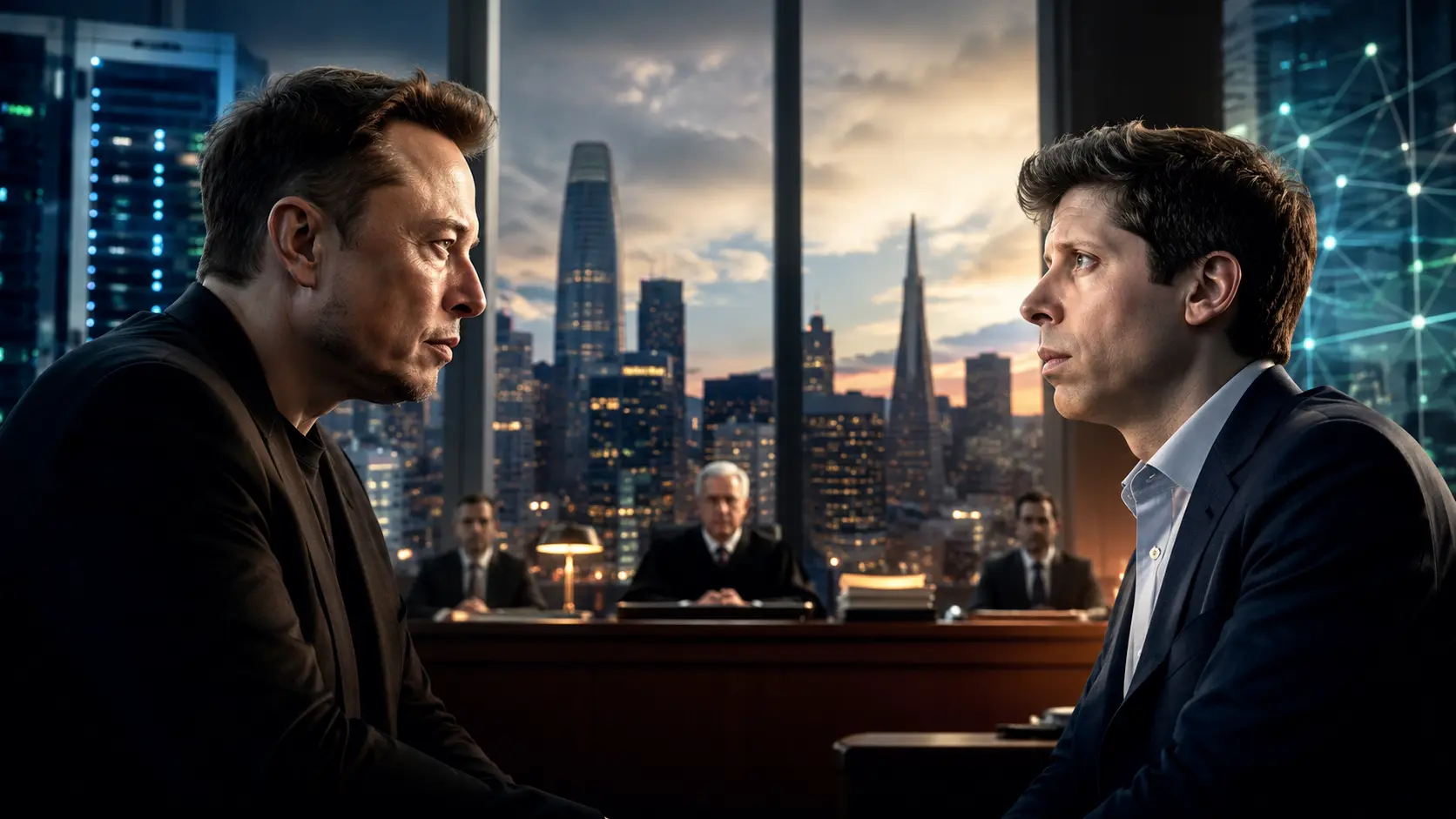
Elon Musk's bitter and divisive battle against OpenAI CEO Sam Altman and the AI company received a decisive blow. On Monday, a jury in Oakland, California rejected all of his claims against Altman and OpenAI, the company Musk co-founded the AI company the two men once co-founded.
After less than two hours of deliberations, the jury ruled against Musk, bringing a dramatic end to a bitter chapter in the rivalry between two tech billionaires who were once close friends.
The Verdict
The jury determined that Musk had waited too long to bring his lawsuit, finding it was barred by the statute of limitations. Crucially, jurors concluded that Musk had been aware of the conduct central to the lawsuit as early as 2021, two years before he launched his own competing AI venture.
OpenAI's lawyers had argued throughout the trial that the lawsuit was little more than a competitive strike against a rival Musk had failed to control. The jury appeared to agree.
Microsoft, named as a co-defendant for allegedly aiding and abetting OpenAI's alleged breach of charitable trust through its investments in the company, also saw those claims dismissed.
The presiding judge, Yvonne Gonzalez Rogers, made little effort to conceal her own assessment. According to CNBC, she had signalled she was prepared to dismiss Musk's claims outright even before the jury returned its verdict. Wrapping up the three-week trial, the judge stated there was a substantial amount of evidence supporting the jury's finding. Musk's lead counsel, Steven Molo, reserved his client's right to appeal.
Read also
How the Trial Unfolded
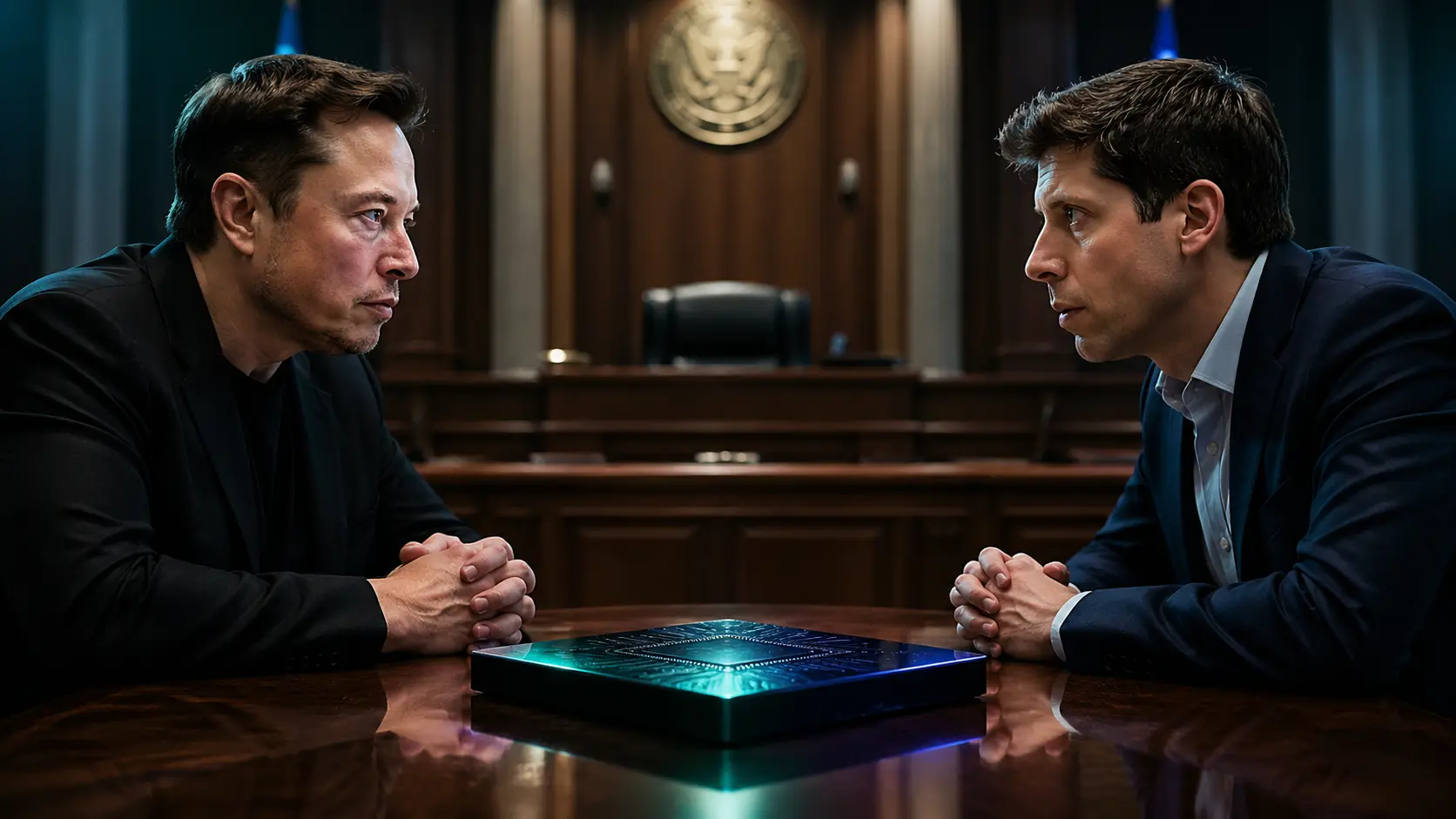
Musk sued Altman and OpenAI in 2024, alleging they had violated a commitment to keep the AI lab operating as a nonprofit. Musk had helped found OpenAI in 2015 but departed the board three years later. At the heart of the case was his claim that Altman and company president Greg Brockman had effectively abandoned OpenAI's charitable founding mission in favour of profit.
Musk's legal team sought to compel OpenAI and Microsoft to surrender as much as $134 billion in what they called ill-gotten gains, to oust Altman and Brockman from leadership, and to reverse the company's 2025 restructuring.
OpenAI's defence countered that Musk's donations carried no strings and that restructuring was the only viable path to competing against well-resourced rivals such as Google DeepMind. Lawyers for OpenAI also revealed that Musk had himself floated a for-profit model on the condition he retain control, and had at one point pushed for OpenAI to be folded into Tesla.
During the weeks of testimony, the jury heard from Altman, Brockman, Microsoft CEO Satya Nadella, and Musk himself, who told the court he felt he had been taken advantage of, having contributed $38 million in OpenAI's early years.
Reputational Damage
The trial, while ultimately a legal victory for Altman, was not without reputational cost. Weeks of testimony and internal correspondence laid bare the tensions and power struggles within OpenAI's early years, exposing fault lines in the company's governance and the personalities at its helm.
The proceedings cast an unflattering light on all parties involved, with Musk's own manoeuvres, including his push to control the organisation becoming part of the public record.
The verdict is not just a pivotal moment for the company but also for AI. The verdict comes at a critical time for both Altman and Musk, as the two tech figures push their respective companies toward the public markets in what are expected to be record-breaking offerings.
In late March, OpenAI raised $122 billion at a valuation exceeding $850 billion, and the ChatGPT maker is racing to advance its models and expand consumer services while keeping pace with Anthropic in the enterprise AI market. With the legal cloud now lifted, OpenAI can press ahead with its IPO ambitions though Musk's counsel has signalled an appeal may yet follow.

Latest comments
Loading