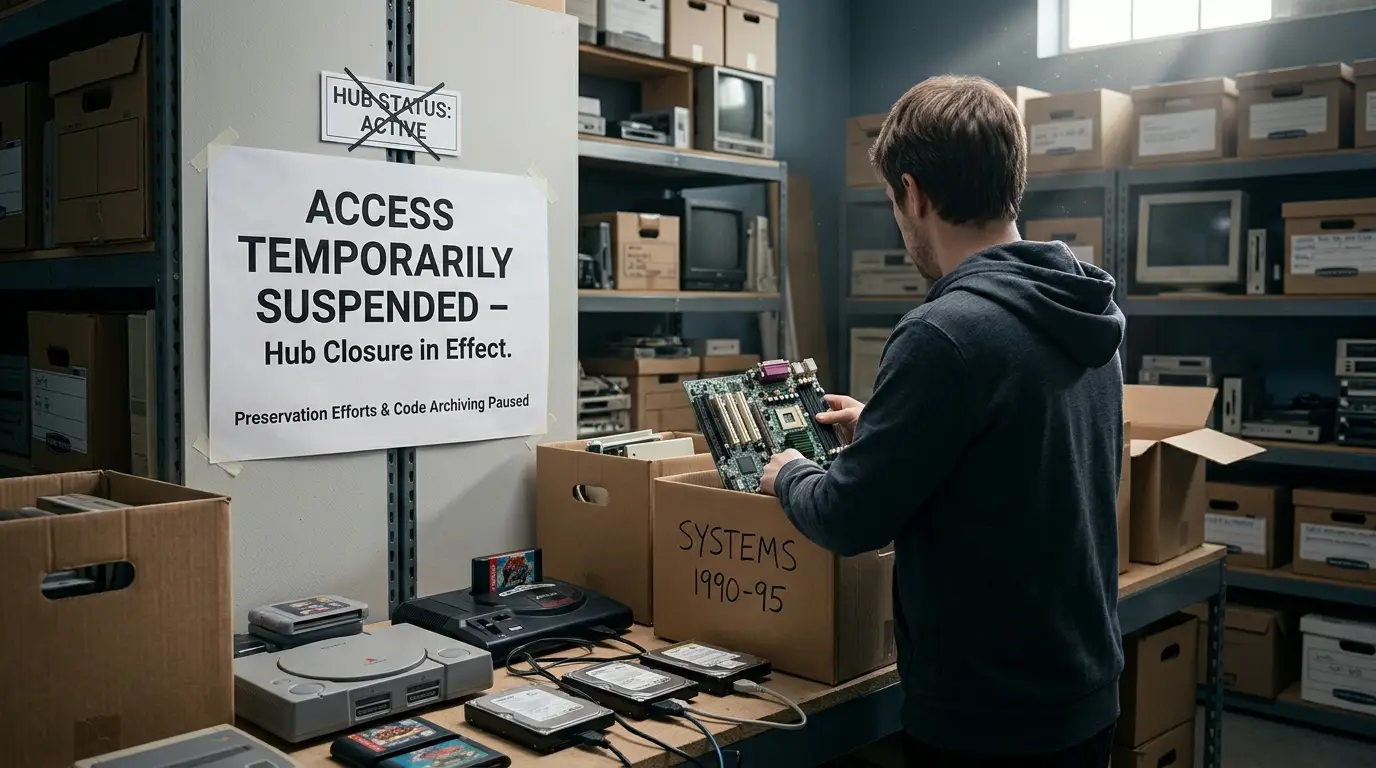
A prominent hub dedicated to dismantling classic video game code has officially pulled the plug on its public directory, citing an overwhelming influx of automated contributions. The platform, decomp.dev, originally launched to track collaborative efforts that translate compiled binaries back into readable source languages. For years, the platform rewarded meticulous developers who painstakingly translated machine-readable instructions into usable formats. Today, however, administrators argue the ecosystem has fundamentally fractured.
The Distinction Between Archiving and Emulating
Translating closed software is a notoriously difficult discipline that goes far beyond merely running older titles on modern screens. While standard emulators trick original hardware into functioning on contemporary devices, true source reclamation grants archivists total structural access. According to the preservation guidelines championed by the Video Game History Foundation, rebuilding the underlying logic allows researchers to study obsolete development techniques and patch out game-breaking bugs that threaten historical media. This granular control is exactly how archivists managed to push legacy titles past hardcoded calendar limits that would otherwise brick software by the year 2030.
Technical Comparison of Archival Methods
To understand the shift in community dynamics, it helps to distinguish between the primary methods used to keep legacy media playable.
| Metric | Hardware Emulation | Source Reclamation | Native Porting |
| Hardware Dependency | Requires original CPU architecture simulation | Runs natively on modern OS kernels | Compiled directly for target CPU |
| Modification Potential | Limited to visual shaders or ROM hacks | Full access to engine logic and RNG | Complete engine overhauls and modern API integration |
| File Size Overhead | High (includes ROM and emulator wrapper) | Moderate (stripped legacy bloat) | Low to Moderate (optimized modern assets) |
| Community Effort | Low to Medium | High (requires assembly knowledge) | Medium (requires modern engine expertise) |
Automated Forks and Copyright Grey Areas
The primary friction point involves users copying ongoing collaborative files and rapidly finishing them using generative language models without proper peer review. These sudden, unverified releases often flood repositories with syntax errors or security vulnerabilities, diluting years of careful academic study.
Furthermore, the aggressive rush to release modified builds brushes up against complex legal frameworks. The Library of Congress periodically reviews exemptions to the Digital Millennium Copyright Act, allowing preservationists to bypass digital locks for historical archiving. When unvetted, automated scripts dump massive amounts of unverified code into public spaces, it complicates the legal standing of the entire preservation movement and invites cease-and-desist threats from publishers.
The main directory is now closed to new submissions, though historical data will remain online. As automated development tools become faster, human-led archival groups must decide whether to build stricter gatekeeping measures or watch their carefully curated ecosystems collapse under the weight of instant gratification.

Popular news

AI stocks rebound, but Nvidia falls as AMD jumps 13%

Goldman Sachs Pulls the Plug on Vibe Coding for Traders

Australian STEM Game Competition Ends Over Generative AI Use

AI firm Databricks invests half a billion dollars in the Netherlands and doubles its team

Anthropic Launches Claude Fable 5.2 and Cuts API Prices