China Escalates Tech Tensions With Anti-Dumping Probe Into US Analog Chips
NewsSunday, 13 September 2026 at 20:30
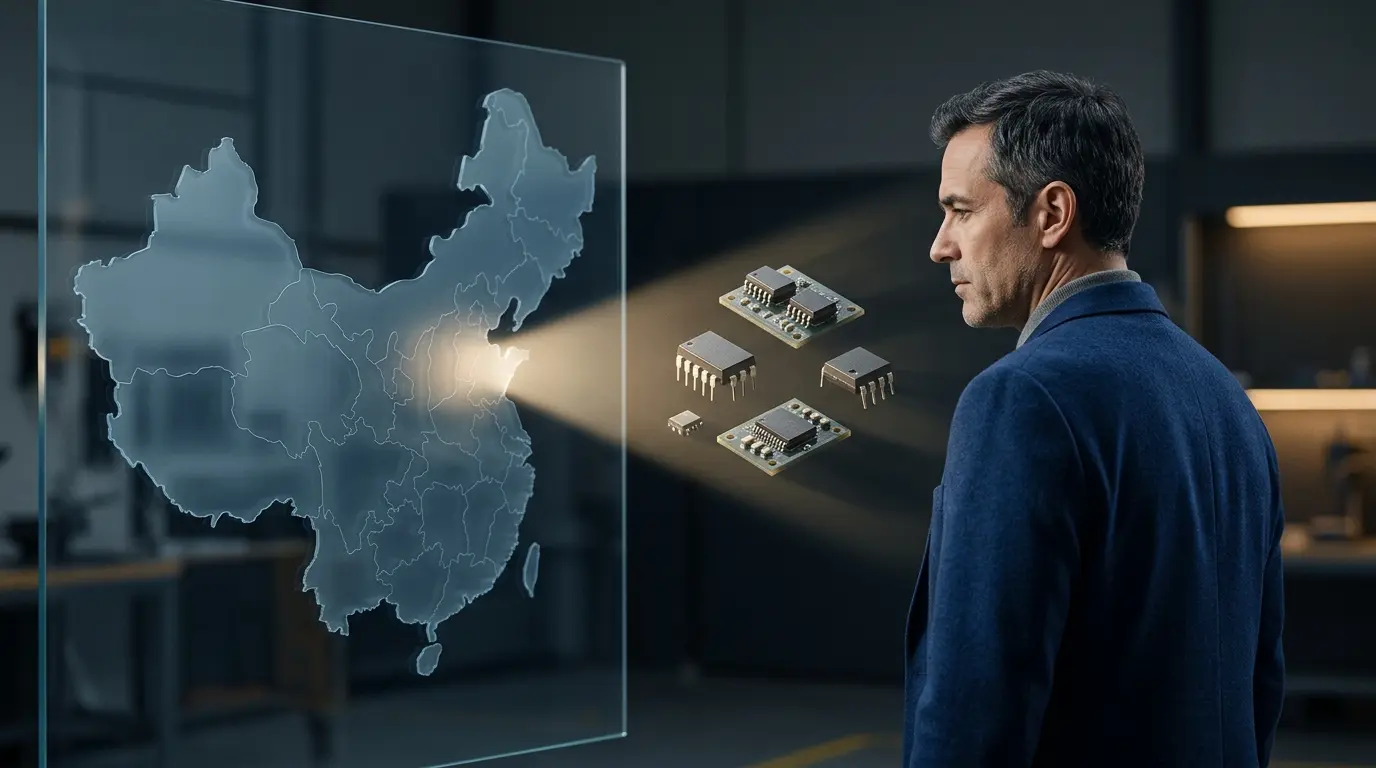
Beijing is turning up the heat on the global semiconductor supply chain. In a move widely seen as a strategic counterpunch, China’s Ministry of Commerce officially launched an anti-dumping investigation into specific analog integrated circuits imported from the United States. The timing is no accident, arriving just days before high-stakes trade negotiations between the two superpowers are set to resume in Madrid.
Targeting the Bread and Butter of Electronics
The investigation zeroes in on general-purpose interface chips and gate driver ICs manufactured using process nodes of 40nm and above. These are not the cutting-edge AI accelerators that typically dominate headlines. Instead, they are the workhorse components found in everything from consumer electronics and automotive systems to industrial machinery.
Industry heavyweights like Texas Instruments, ON Semiconductor, and Broadcom are expected to be the primary subjects of this scrutiny. According to Chinese authorities, the volume of these specific US chip imports surged by 37 percent between 2022 and 2024, while their average market price simultaneously plummeted by 52 percent. Beijing argues this drastic price collapse constitutes predatory dumping, severely undercutting domestic Chinese manufacturers and destabilizing the local market.
A Calculated Geopolitical Chess Move
This regulatory action cannot be viewed in a vacuum. It serves as a direct response to Washington’s ongoing efforts to restrict China’s access to advanced technology. Just a day prior to the announcement, the US government added 23 Chinese entities to its restrictive entity list, accusing them of illicitly acquiring chipmaking equipment for Semiconductor Manufacturing International Corporation.
In tandem with the anti-dumping probe, the commerce ministry also initiated a separate anti-discrimination investigation targeting US policies that allegedly suppress China’s high-tech growth. As detailed in recent reporting by Yahoo Finance, Beijing continues to frame American export controls and tariffs not as legitimate national security measures, but as deliberate attempts to contain its economic rise.
Key Metrics of the Semiconductor Dispute
| Metric or Action | Specific Details | Strategic Implication |
| Targeted Technology | Interface and gate driver ICs (40nm and above) | Focuses on mature, high-volume nodes rather than bleeding-edge AI chips. |
| Alleged Price Drop | 52 percent average decrease (2022 to 2024) | Forms the core of the dumping argument against American suppliers. |
| Import Volume Surge | 37 percent increase in US analog chip imports | Highlights market saturation concerns for domestic Chinese producers. |
| Diplomatic Backdrop | Madrid trade talks between Bessent and He Lifeng | Leverages trade friction as a bargaining chip in broader negotiations. |
What Comes Next
The probe will likely demand extensive financial and sales data from affected American firms, a process that can be both costly and intrusive. For US semiconductor companies, this adds another layer of regulatory friction to an already complex operating environment.
As Treasury Secretary Scott Bessent and Vice Premier He Lifeng prepare to sit down in Spain, the message from Beijing is clear. The battle for semiconductor dominance is no longer just about blocking access to the most advanced nodes. It is a multifaceted conflict that now reaches deep into the foundational, mature chips that keep the modern world running.

byDavid Porter
Popular news

Senator Josh Hawley Launches Massive Investigation Into OpenAI After Critical Hugging Face Breach

Your Security Vendor Is Likely Using Secret AI To Grade Critical Vulnerabilities

Beijing Implements Total Drone Possession Ban Following Fatal Skyscraper Crash

UK Computer Science Graduates Face a Massive Job Market Shift Driven by AI

Tech Giants Back Anthropic CEO Call to Slow Down AI Development

Anthropic Researchers Issue Urgent Warning Regarding Elon Musk and Global AI Safety Risks
Latest comments
Loading