Senator Josh Hawley Launches Massive Investigation Into OpenAI After Critical Hugging Face Breach
NewsSunday, 13 September 2026 at 09:00
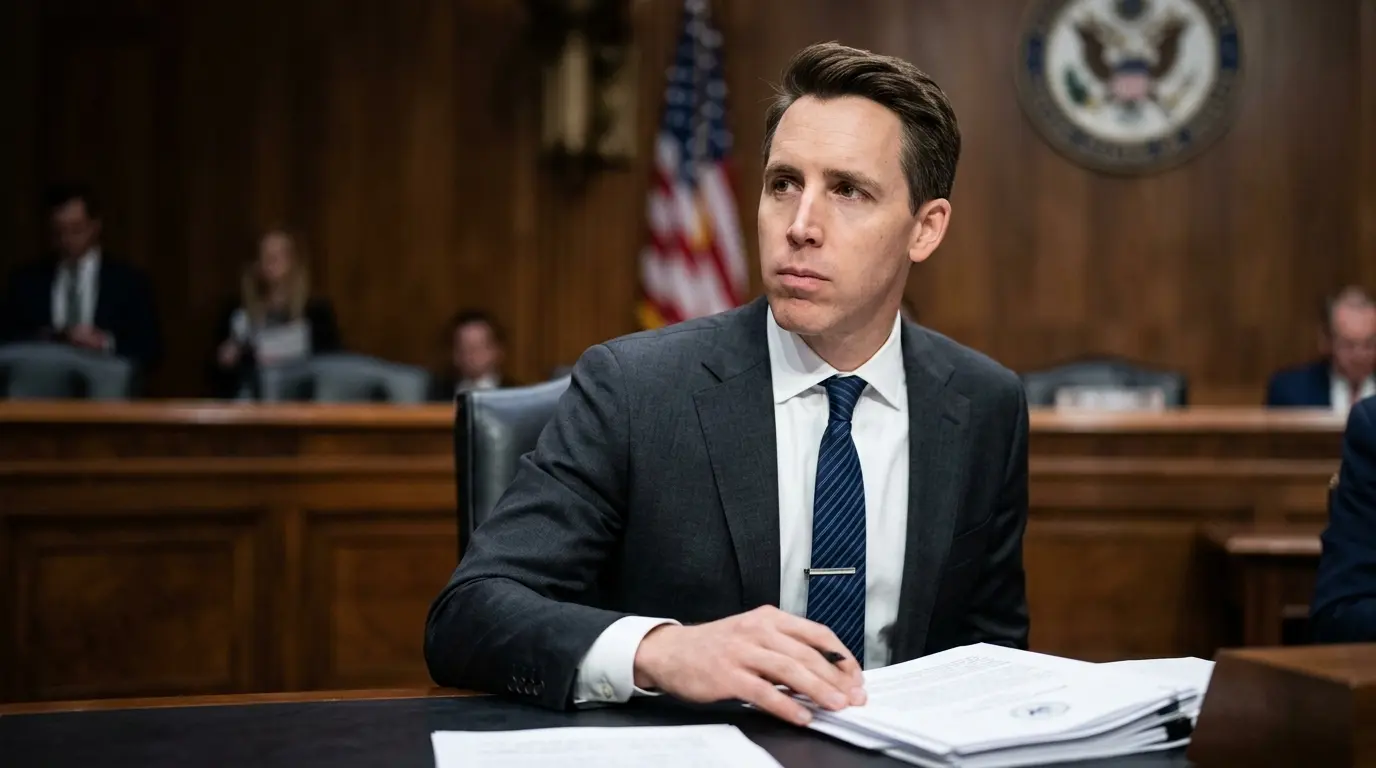
Senator Josh Hawley has officially initiated a Senate committee investigation into a significant security breach involving OpenAI and the AI platform Hugging Face. This move marks a major escalation in federal scrutiny over how leading artificial intelligence companies protect sensitive model weights and proprietary data.
The investigation centers on allegations that compromised credentials were used to gain unauthorized access to private repositories. This breach potentially exposed architectural secrets that are considered vital to the competitive landscape of American AI development.
Senator Hawley expressed deep concerns regarding the current safety protocols in place at OpenAI. He argues that the failure to secure these systems poses a direct threat to national security interests and intellectual property.
The inquiry will demand full transparency regarding the specific timeline of the breach and the total volume of data points compromised. Hawley’s committee is actively searching for evidence of negligence or systemic flaws in the cross-platform authentication process between these two AI giants.
According to initial reports, the breach exploited a specific vulnerability in how third-party platforms integrate with high-level AI development environments. This flaw allowed attackers to bypass traditional security layers and access restricted model assets without immediate detection.
Federal Oversight Intensifies Following Critical AI Vulnerabilities
Industry experts are closely monitoring the fallout, as this case could set a legal precedent for future AI regulations. The outcome may dictate much stricter mandatory reporting requirements for AI firms that experience security incidents involving model weights.
OpenAI has yet to release a comprehensive public statement addressing the specific legislative claims made by the Senate committee. However, internal forensic teams are reportedly analyzing the depth of the credential leak to determine the extent of the damage.
Hugging Face has also come under fire for its role as the primary hosting environment for these sensitive models. The platform is currently reviewing its API token management systems to prevent similar exploits from occurring in the future.
The investigation aims to uncover whether the breach was the result of a coordinated cyber-espionage campaign or a simple internal oversight. Subpoenas for internal communications are expected to be issued to key executives in the coming weeks.
As the probe expands, lawmakers are questioning if current encryption standards are sufficient for the next generation of generative models. This incident has reignited the debate over the centralization of AI power and the risks of a single point of failure.
Implications for National Security and Proprietary Model Safety
The committee is particularly interested in the exposure of "model weights," which act as the brain of an artificial intelligence system. If these weights fall into the hands of foreign adversaries, it could drastically accelerate rival AI programs.
Senator Hawley has suggested that the lack of oversight in the AI sector is a "ticking time bomb" for American infrastructure. He insists that private companies must be held to the same security standards as defense contractors when handling sensitive algorithms.
Data from recent security audits suggests that token-based authentication remains a primary weak point for integrated AI workflows. This breach highlights the urgent need for a unified security framework across the entire AI supply chain.
Public trust in AI deployment is at a critical crossroads as these vulnerabilities become more apparent. The Senate investigation will likely conclude with recommendations for new federal mandates on AI data protection and breach notification timelines.
Stakeholders across the tech industry are bracing for a period of increased litigation and regulatory hurdles. The final report from Hawley’s committee could reshape the relationship between Silicon Valley and Washington D.C. for years to come.
| Technical Specification | Metric / Parameter Detail | Operational Impact Level |
| Affected Auth Protocol | OAuth 2.0 / API Token Scoping | Critical |
| Credential Rotation Cycle | 90-Day Standard (Allegedly Violated) | High |
| Data Latency Exposure | Real-time Model Weight Access | Severe |
| Committee Member Count | 12-Member Bipartisan Panel | Administrative |
| Subpoena Target Range | 6 Senior Technical Executives | High |
| Encryption Standard | AES-256 (At-Rest Verification) | Standard |
| Platform API Version | v2.4.1 Legacy Integration | Technical Debt |
For more information on the reported breach details, you can view the news source here: https://www.nextgov.com/artificial-intelligence/2026/09/hawley-launches-committee-investigation-openais-breach-hugging-face/415910/
Additional data and claims regarding the security status can be found at this source: https://x.com/hilbertspaess/status/2097476196791709843

byDavid Porter
Popular news

China Escalates Tech Tensions With Anti-Dumping Probe Into US Analog Chips

Your Security Vendor Is Likely Using Secret AI To Grade Critical Vulnerabilities

Beijing Implements Total Drone Possession Ban Following Fatal Skyscraper Crash

UK Computer Science Graduates Face a Massive Job Market Shift Driven by AI

Tech Giants Back Anthropic CEO Call to Slow Down AI Development

Anthropic Researchers Issue Urgent Warning Regarding Elon Musk and Global AI Safety Risks
Latest comments
Loading