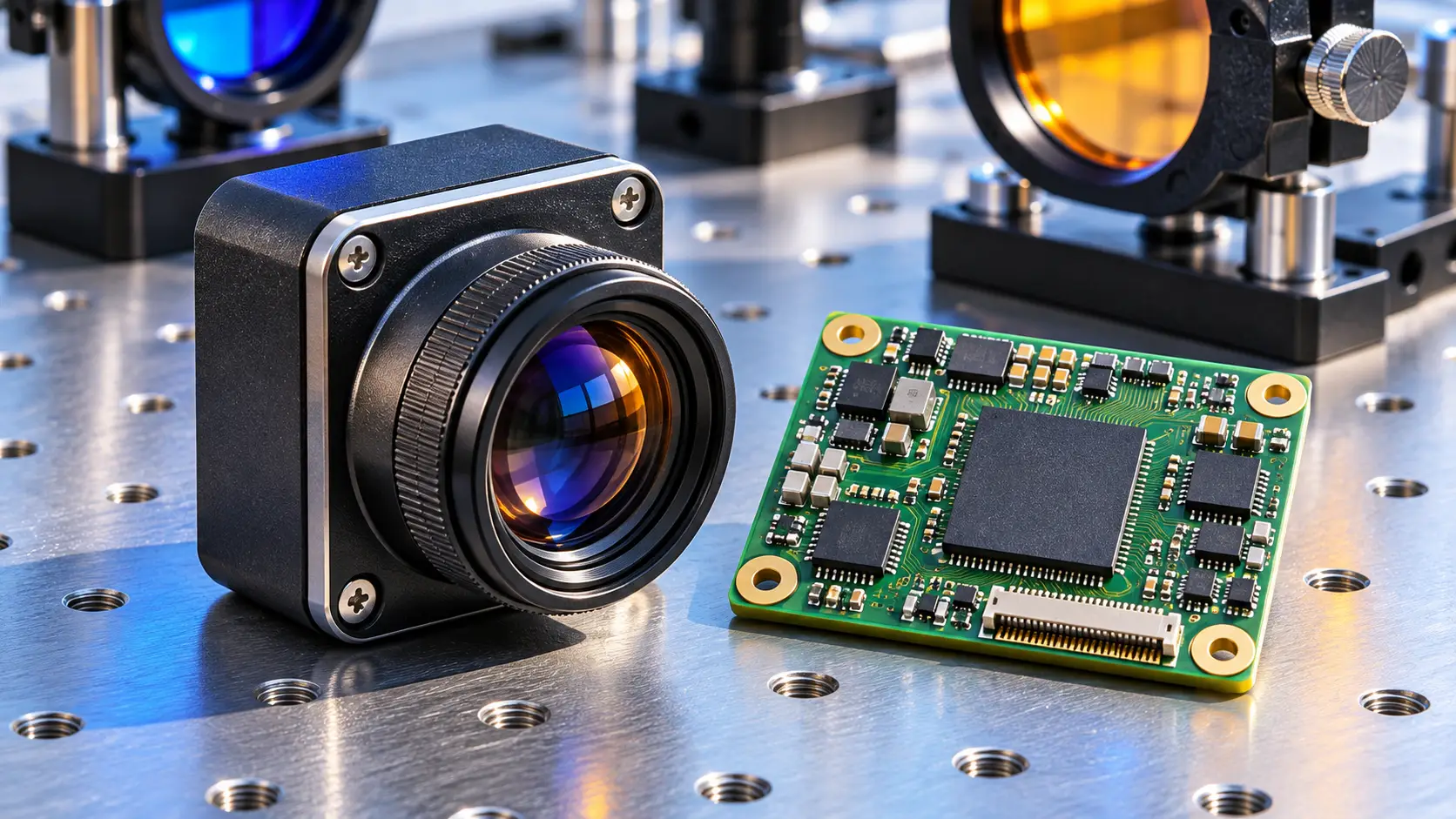
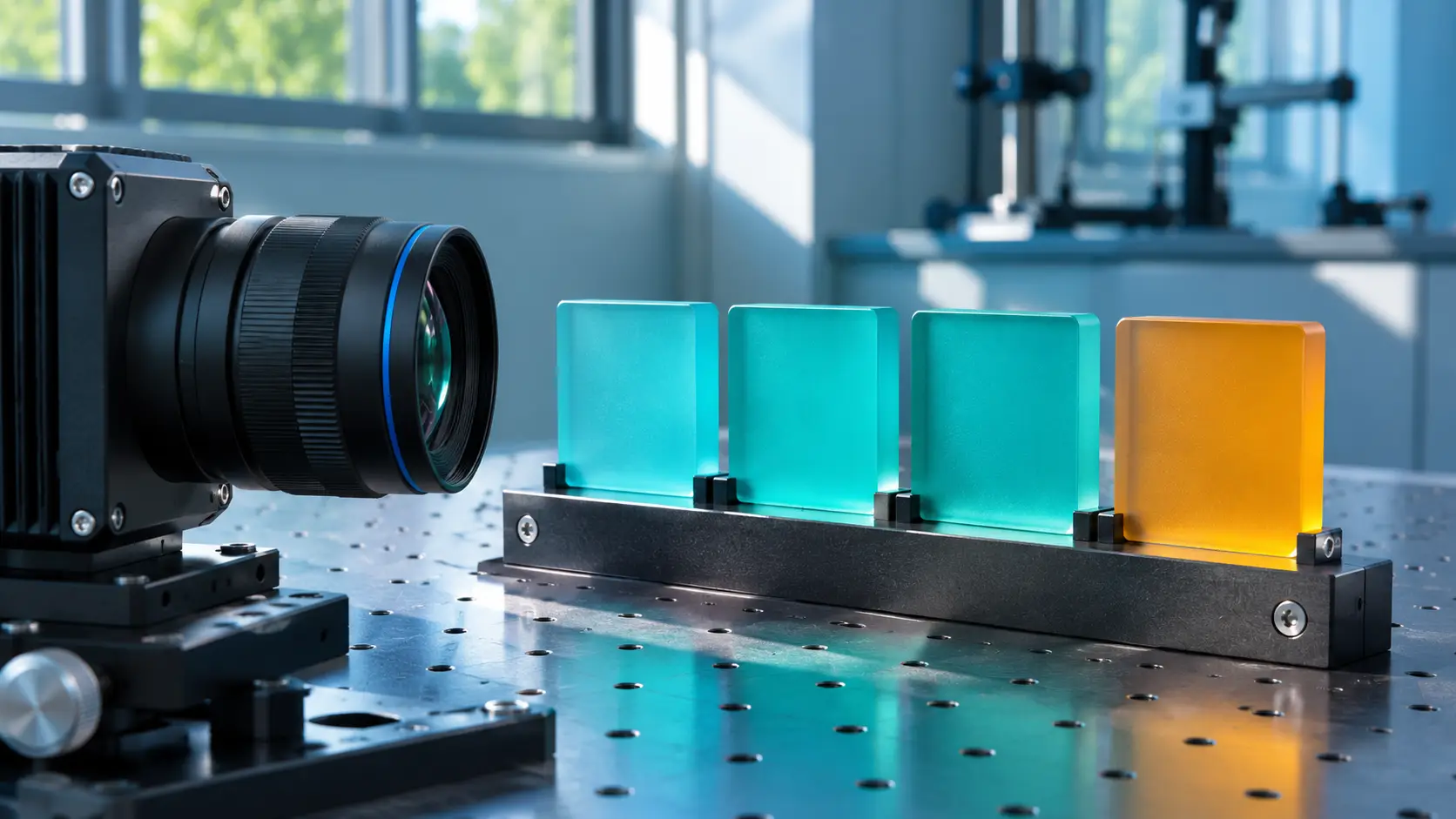
Editorial illustration of industrial camera and edge AI hardware.
Chipmaker Ambarella and design firm Sigma Connectivity announced a deal on Tuesday to help turn edge AI prototypes into products. Ambarella brings the chips and software. Sigma will help build and test the devices that use them, from the camera lens to the finished unit.
The work is aimed at makers of products that use cameras or other sensors to make fast decisions. An inspection camera on a factory line is one example. The pair says it wants to make it easier for teams to get from a working demo to a device they can build at scale. It did not name a first customer or give a ship date for a product from the deal. Read the joint announcement.
What goes on the chip
Edge AI means the device does some of the AI work close to where it gets the data. An inspection camera can check a frame on site rather than send each frame to a remote server for a verdict. Local processing can cut the wait when a device has just a short window to act. The team still has to fit the work into a set power and heat budget.
Ambarella makes chips that can handle the camera feed, run the AI model and encode video. They also include a CPU to run other software. The company has a separate chip called X7 for teams that want to add AI compute to a device with an Arm or x86 processor. It says both options use the same set of development tools, which can help teams carry some of the work from one design to the next. See Ambarella’s X7 announcement.
Why the camera still matters
Take a camera that spots torn labels on boxes as they pass by. In the lab, it might have a clear view from a fixed spot. On the line, the light may change as a door opens. Boxes may sit at odd angles or pass by faster. The team must check that the lens and sensor still give the model an image it can use. It must also check how fast the whole unit can spot the fault.
This is where Sigma comes in. It can tune cameras, test how the parts work together and help teams get a device ready to build in volume. That includes the design of the case, the parts on the board and the software that runs inside it. A good demo can show that a model has promise. Tests on the full unit show how it fares in the place it will be used. See Sigma’s camera test and tuning work.
What comes next for device makers
The two firms plan to work with customers and look at designs they could reuse. A team could start with a design that has been checked and spend more time on what sets its own device apart. The companies have yet to say which designs they plan to share or how much time a customer has saved. A named project and results from its tests would give buyers a better way to judge the deal.

Popular news
Good Morning AI | Anthropic slips, Claude reviews code and Tidal sets a cutoff
AI stocks slide again as Nvidia falls and Ambarella sinks 20.6%
GTA 6 on PC at 10 FPS? Inside the AI-Assisted Race to Port It
Tencent opens the AI models behind WeChat’s product search
Google’s Humanity’s First Exam Tests AI Reliability