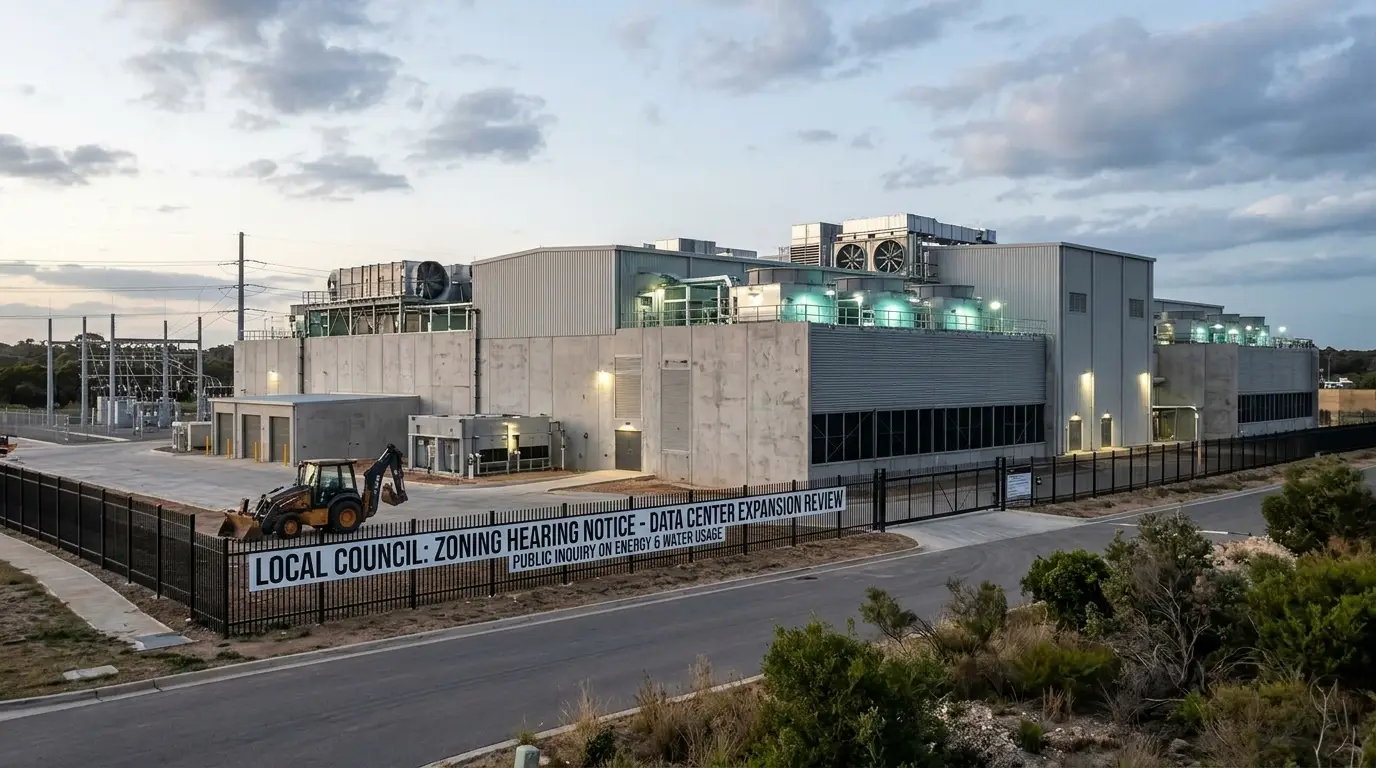
Voters across the country sent a clear message to Silicon Valley this election cycle. While artificial intelligence infrastructure was not the primary driver at the ballot box, the newly elected crop of Democratic governors and state officials are rapidly moving to restrict massive server farms. This localized pushback threatens to fracture the national buildout of computing power, even as the White House continues to champion domestic tech supremacy.
Grassroots Pushback and Utility Strains
Rural communities and suburban neighborhoods alike have grown increasingly hostile toward the immense water and electricity demands of modern computing. Agricultural leaders, including newly elected state officials, argue that industrial cooling systems pose an existential threat to drought-stricken farming regions. In Texas, where commercial real estate firm Jones Lang LaSalle notes the state is on track to become the largest global hub for server infrastructure by 2030, water scarcity became a defining campaign issue. Incoming Governor Gina Hinojosa built her platform on blocking permits that lack community consent or fail to protect local aquifers. Similar sentiments echoed in Wisconsin, where Governor-elect David Crowley proposed abolishing corporate tax exemptions for developers while mandating strict utility disclosures.
This hyper-local resistance forces developers into prolonged legal battles, driving up operational expenses before a single machine is even plugged in. Polling indicates a stark partisan divide on the issue, with opposition running highest among progressive voters who view the facilities as environmental hazards rather than economic engines.
Wall Street Jitters and Market Realities
The financial sector is already pricing in this new political reality. Traders are actively recalibrating their portfolios, moving capital away from hardware manufacturers and toward software companies that require less physical infrastructure. Investment analysts at Morgan Stanley warned clients that the election results will likely split the country into welcoming and hostile zones for tech construction. This uncertainty contributed to a steep 11 percent drop in the Nasdaq from its recent peak, reflecting investor anxiety over rising borrowing costs and potential project delays in key battleground states like Ohio and Texas.
| Electoral Metric | Outcome | Tracking Entity |
| Municipal Ballot Measures Approved | 44 of 45 | Redbud Consulting |
| Television Ad Spend Disparity | 3-to-1 Democratic Advantage | AdImpact |
| Voter Opposition Rate (National) | 75 Percent | Associated Press |
Industry Concessions and Future Frameworks
Facing a hostile regulatory environment, tech giants are attempting to rewrite their public relations playbook. Executives at OpenAI recently rolled out a community-focused framework aimed at establishing baseline standards for local engagement and responsible investment. However, industry lobbyists argue that aggressive moratoriums will ultimately punish host towns.
Representatives from the Data Center Coalition caution that blocking these projects will have severe real-world consequences. When municipalities reject these facilities, they aren't just rejecting noise and light pollution; they are walking away from millions in direct municipal investments and the secondary economic ripples that follow large-scale capital projects. The coming legislative sessions will test whether local environmental concerns can truly halt the relentless demand for global computing power.

Popular news

The Hidden Technical Debt Crisis Behind Prompt Driven Development
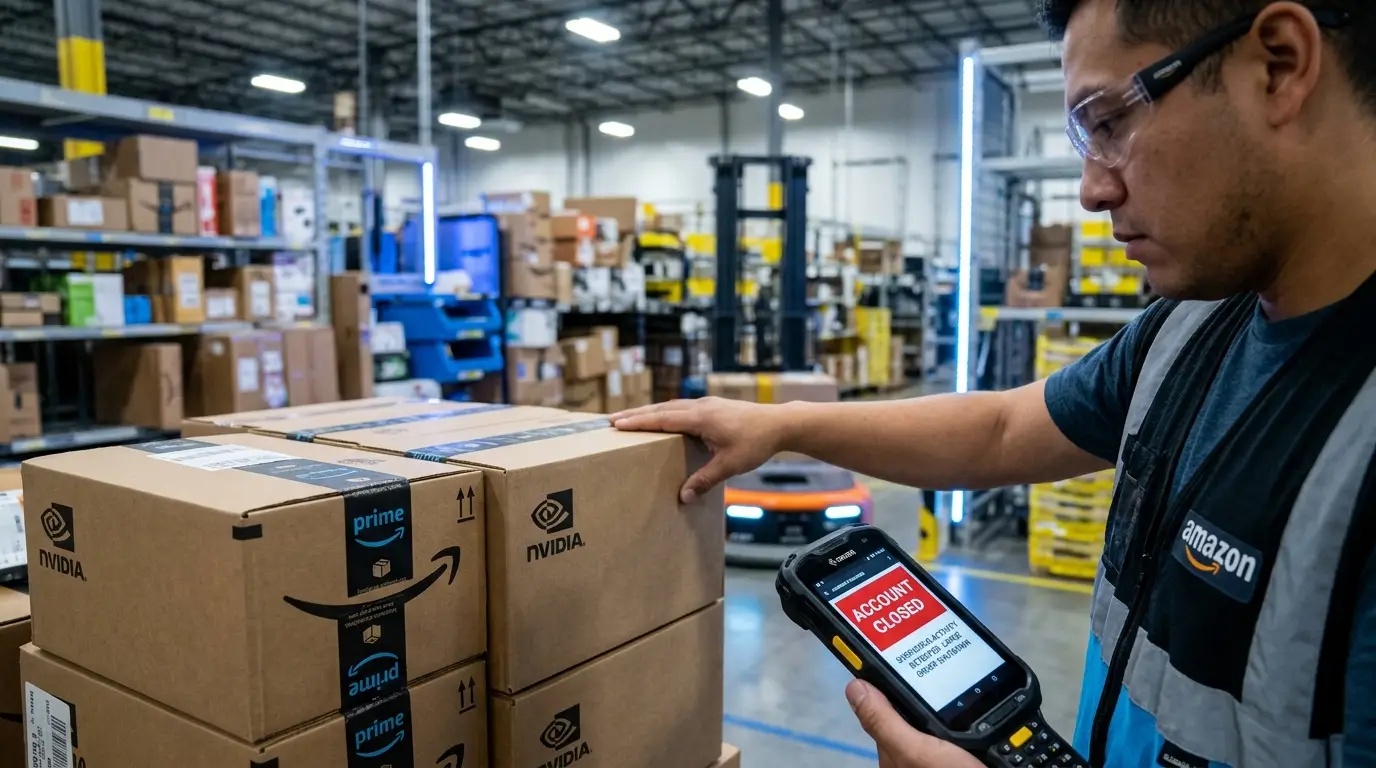
Amazon Shuts Down AI Educator Account Following Bulk Nvidia Hardware Orders

Developers Test Free Local AI Stack Against Premium Cloud Coding Agents
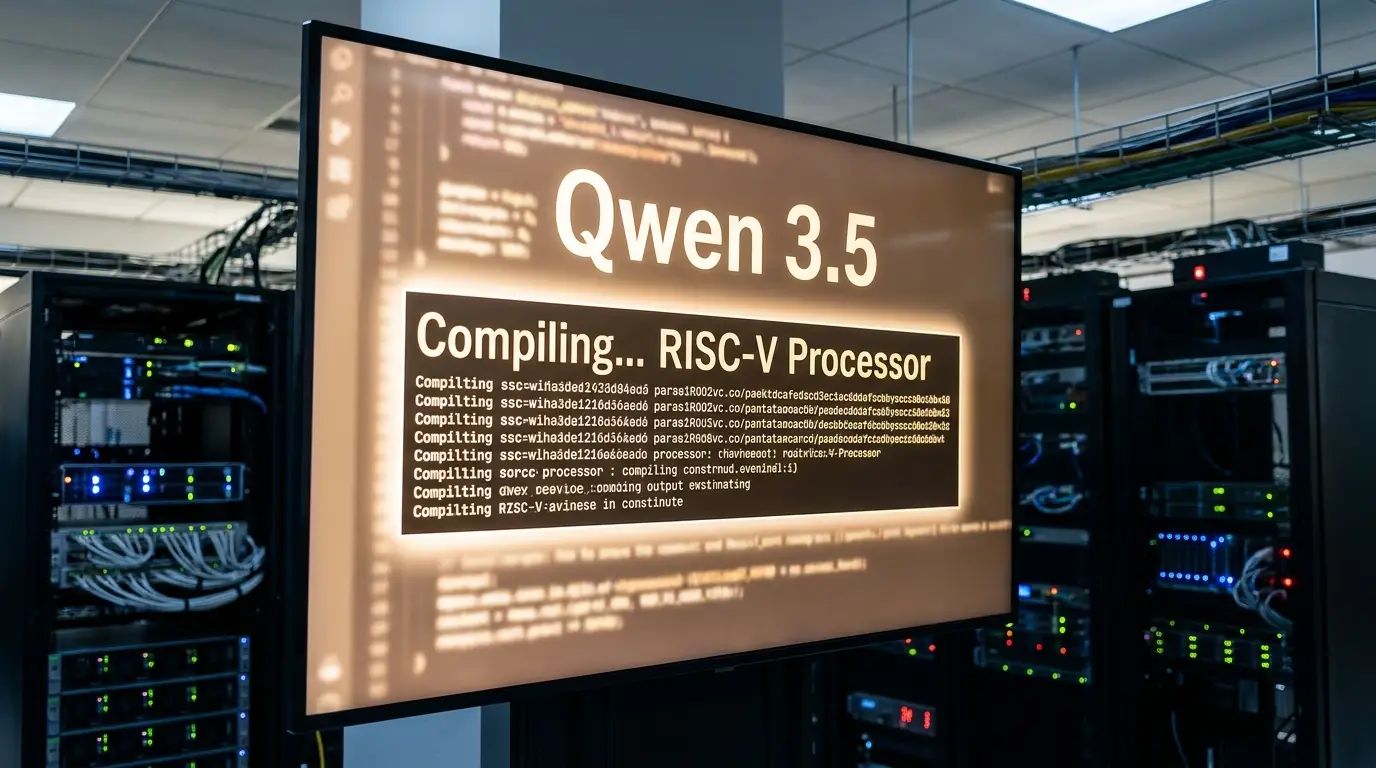
AI Engineer Compiles RISC-V Processor Inside Qwen 3.5 LLM Weights

South Korea Bets Big On Sovereign AI Infrastructure With NVIDIA Partnership