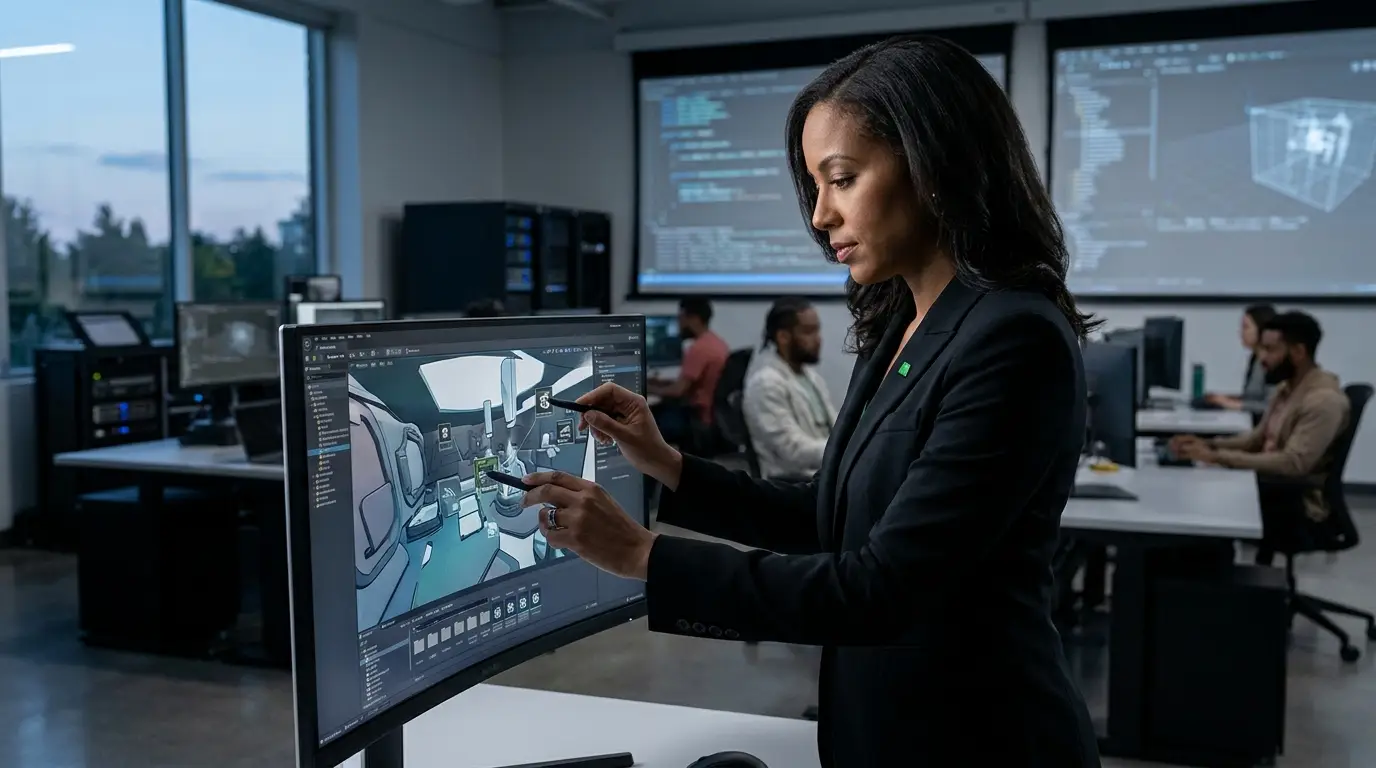
On the 25th anniversary of the original console launch, Xbox CEO Asha Sharma published a reflective message that quickly pivoted into a stark warning about the future of big-budget game development. In her official anniversary blog post, Sharma never explicitly uses the term "artificial intelligence," but her vision for the next quarter-century heavily implies that generative tools are the only way to save an industry suffocating under its own financial weight. She traces the lineage back to Microsoft's very first game in 1979, emphasizing that interactive entertainment has always been about pushing technological boundaries, from early text adventures to modern photorealistic environments.
The Unsustainable Cost of Modern Blockbusters
While contemporary titles demonstrate the absolute heights of human craft, the resources, capital, and risk required to create them have skyrocketed. According to Sharma, this unavoidable tradeoff means too many ambitious ideas never see the light of day, while finished games often fall short of their creators' original visions. Industry watchdogs like the International Game Developers Association have repeatedly highlighted how these ballooning budgets lead to extreme risk aversion among major publishers. When a single failure can bankrupt a mid-sized studio, creative innovation takes a backseat to safe, iterative sequels and established intellectual properties.
| Metric | Average AAA Studio (2026) | Indie / Small Team (2026) |
| Average Project Budget | $150M - $300M+ | $500K - $5M |
| Development Cycle Length | 4 to 7 Years | 1 to 3 Years |
| Team Size Required | 300 - 1,000+ Developers | 2 - 25 Developers |
| Primary Market Barrier | High Financial Risk & QA | Visibility & Marketing |
| Innovation Tolerance | Low (Sequel / Remake Favored) | High (Experimental Mechanics) |
Empowering Small Teams with Nation-State Power
To break this cycle of creative stagnation, Sharma suggests a fundamental paradigm shift where a single creator could soon wield capabilities that previously required entire nations. In her view, small, agile teams will soon build virtual worlds that currently demand hundreds of millions of dollars and massive studio rosters. This optimistic outlook mirrors sentiments previously echoed by Epic Games founder Tim Sweeney, who has long championed engine tools that democratize high-fidelity game creation for smaller developers. If the technology delivers on these promises, the barrier to entry for creating massive, photorealistic worlds will collapse entirely, allowing niche concepts to flourish without needing blockbuster sales figures to justify their existence.
The Ghost in the Corporate Machine
This is not the first time the current Xbox boss has danced around the topic of automation and machine learning. Earlier this year, the company introduced experimental incubators to explore what the Microsoft gaming division broadly terms automated code remixing and rapid prototyping. While corporate shareholders likely view these generative technologies as a necessary lifeline to trim massive development expenses and stabilize profit margins, long-time fans are left wondering about the human element. As the broader entertainment sector faces an ongoing wave of consolidation and job losses, relying on algorithms to fill the gaps left by departed artists and programmers remains a highly controversial lifeline. Ultimately, the platform holder is banking on a technological revolution to secure its next 25 years, even if it fundamentally alters the human craftsmanship that built its legacy. Whether this results in a golden age of democratized development or a flood of soulless, algorithmic content remains the biggest question facing modern gamers.

Popular news

EU Leaders Meet in Dublin to Decide Who Pays for Europe’s AI Computing Power

Google DeepMind’s AlphaGenome 2 predicts what DNA variants do in specific cells

US Data Brokers Supply Half Billion Dollars In AI Training Environments To Chinese Labs

Nvidia CEO Exit Puts $500 Billion AI Financing Deal at Risk

Anthropic Says Automated Coding Tools Are Dismantling Nvidia Software Moat