
Morning light on a coffee cup and a computer chip. AI-generated editorial illustration by AI World Today.
Good morning. In our Saturday coverage, U.S. House lawmakers teamed up on AI safety, AWS gave AI agents a way to buy some services, and repeat tests showed how often a coding tool can get the same job right.
1. A bipartisan House group takes up AI safety
Reps. George Whitesides, Nathaniel Moran and Don Beyer will co-chair the new AI Safety and Innovation Caucus. The House announcement says the group plans to work on bills and bring in experts. More than two dozen other lawmakers joined at launch.
One focus is how Congress gets up to speed after a serious AI incident. The group wants to hear from developers, researchers and government agencies. Our AI caucus coverage explains how it fits with earlier work in the House. Any bills the group backs will go through the usual process.
2. AWS gives AI agents a way to pay by the request
With the new AWS Marketplace payment option, an agent can buy an eligible service while it works. A research agent might pay for a single search. The charge goes on the customer’s AWS bill.
Teams have to enable the feature first. They can choose which sellers to allow and how much AI agents can spend. AWS says buyers can trace the payments in CloudTrail and see how the charges add up in Cost Explorer.
3. Cline runs the same coding task three times
Cline-Bench ran AI agents on 47 coding requests drawn from real work. Teams can see how often AI agents pass the tests and how often they pass on all three tries. Our Cline-Bench coverage breaks down those measures.
In the benchmark report, Gemini 4 Argon had the best average pass rate. Claude Opus 5.5 passed all three runs on more tasks. The average gives a sense of how often a tool can do the work. The three-run score shows how often it can do it again.
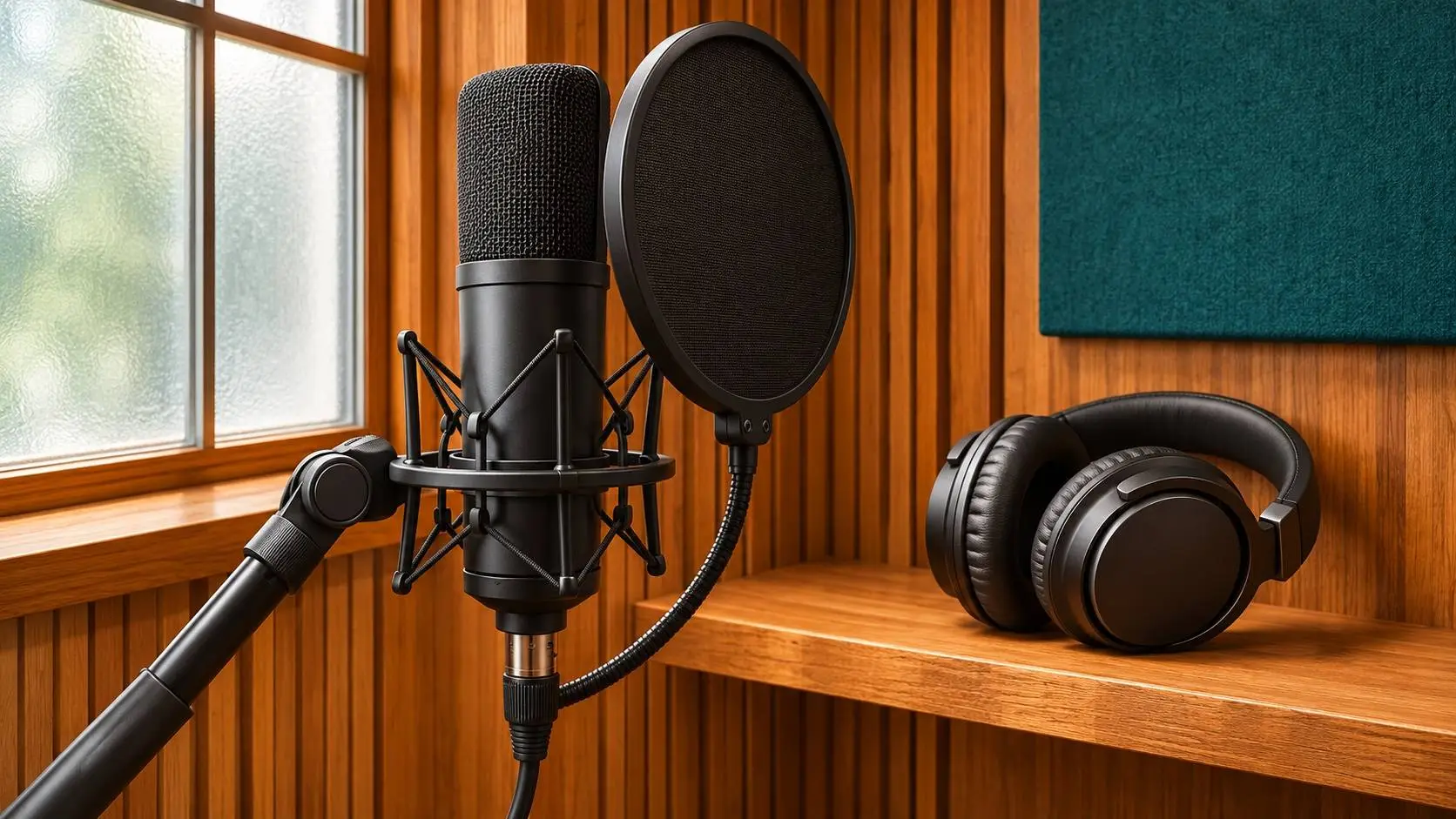
4. ElevenLabs makes a move in Japanese speech AI
ElevenLabs is acquiring Kotoba, a Japanese voice AI lab. Kotoba’s Koto model can turn text into speech, transcribe speech and translate it live. ElevenLabs says Salesforce uses Koto for Japanese conversations in Agentforce Voice.
A model can read a script well and still find it hard to catch a place name on a live call. It also has to know when to wait if a caller pauses. The deal brings a team that studies those tasks into a larger voice AI firm.
5. Pika shows live camera moves as video forms

A cinema camera rides a short dolly track toward a chair on a softly lit soundstage. AI-generated editorial illustration.
In the Pika Enact research preview, a person can pan or move around a subject while the system makes video and sound. Pika also shows how a person could move an object in a scene or direct a digital actor.
A camera move can reveal the back of a chair or a part of a room that was hidden a moment ago. The system has to fill in what comes into view and keep it in line with the rest of the scene. Pika is showing the technique in demos.


Popular news

AWS lets AI agents buy select tools on the developer’s cloud bill

Human clues helped AI agents mimic supply-chain decisions

Cline-Bench tests coding agents three times on real software tasks
ElevenLabs moves to buy Kotoba for its Japanese voice AI

Claude Code vs Cursor: Try the Same Fix in Both