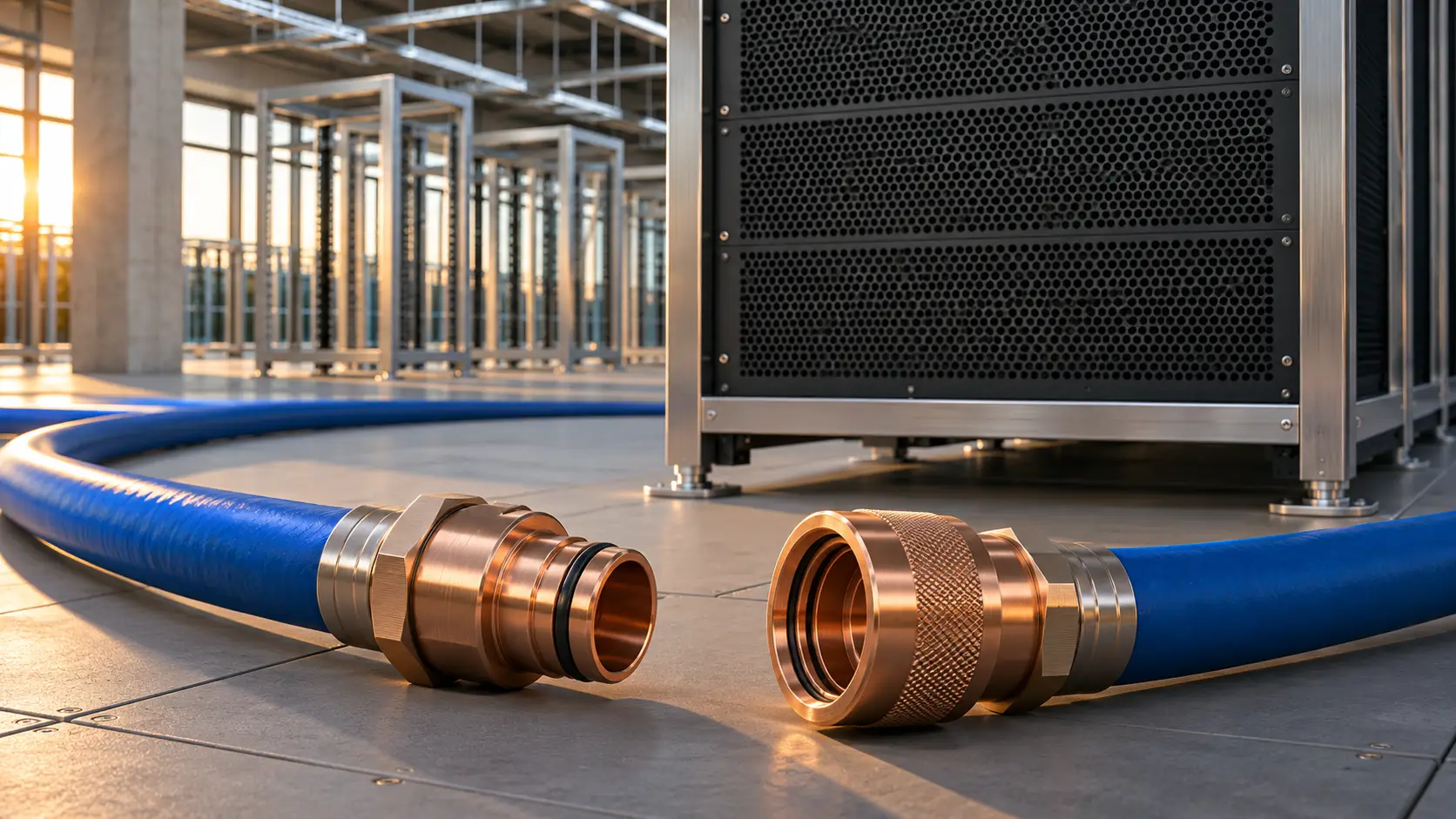
AI-generated illustration of a server rack awaiting cooling connections.
Elon Musk warned that delays at AI data centers could leave the sector short of cash in 2027. He put the potential gap at hundreds of billions of dollars. The bills can come due months before customers pay to use the new gear.
Musk made the estimate in a November 21 reply to AI researcher François Chollet. He pointed to how hard it is to power and cool large clusters and keep them running. In his view, a few months of delays across the sector would drive up the need for cash. “Where will that come from?” he asked in his post on X.
Why a late data center needs more cash
Buying the chips is one step. A new site still needs power, cooling and tests to show that the racks can handle a steady workload. If the contract lets a customer pay once capacity is ready, each delay can push back the first payment.
Suppose a firm has paid $100 million for servers. It still needs $2 million a month to keep the site going. If the site opens three months late and customers pay only when it opens, the firm needs cash to cover $6 million in bills while it waits.
Musk called the extra financing “working capital.” In this case, it is the cash that keeps the project going until it starts to bring in money. Buying the chips and servers in the first place is capital spending.
SpaceX’s GPU lease plan shows why dates matter
Musk’s own business buys chips on a large scale. In October, SpaceX outlined a deal with an entity managed by Apollo. The entity would buy GPU systems and lease them to SpaceX. SpaceX put the total principal payments on the proposed leases at about $40 billion in its SEC filing.
Under the proposed terms, each shipment would start its own lease when the GPUs arrived. SpaceX expected that process to begin in the first half of 2027. The setup would spread the cost of the hardware over several years. Delivery would still start the lease clock while the broader site might need more work before it could serve customers.
Read also

How CoreWeave and Oracle are financing the buildout
Some buyers pay before they get their computing power. On November 10, CoreWeave said it expected about $9 billion in advance payments and deposits over the next three months. At the end of September, it had $132.5 billion in revenue backlog. That is future revenue tied to meeting delivery and service terms, according to CoreWeave’s quarterly results.
Oracle said it had the funds it needed for its deal with OpenAI, including financing from vendors. Its Abilene site was nearly done. The handover of Nvidia Vera Rubin racks was on track for the coming weeks, the company said in its November 20 statement.

Popular news

Tencent releases Hy4 weights with new terms for large AI hosts
AWS gives HyperPod models one gateway across clusters
U.S. senators propose new disclosures for AI funding and risks

Cognition launches Devin Bots to manage multiple coding sessions
LocalAI adds a native Windows server for running models on a PC