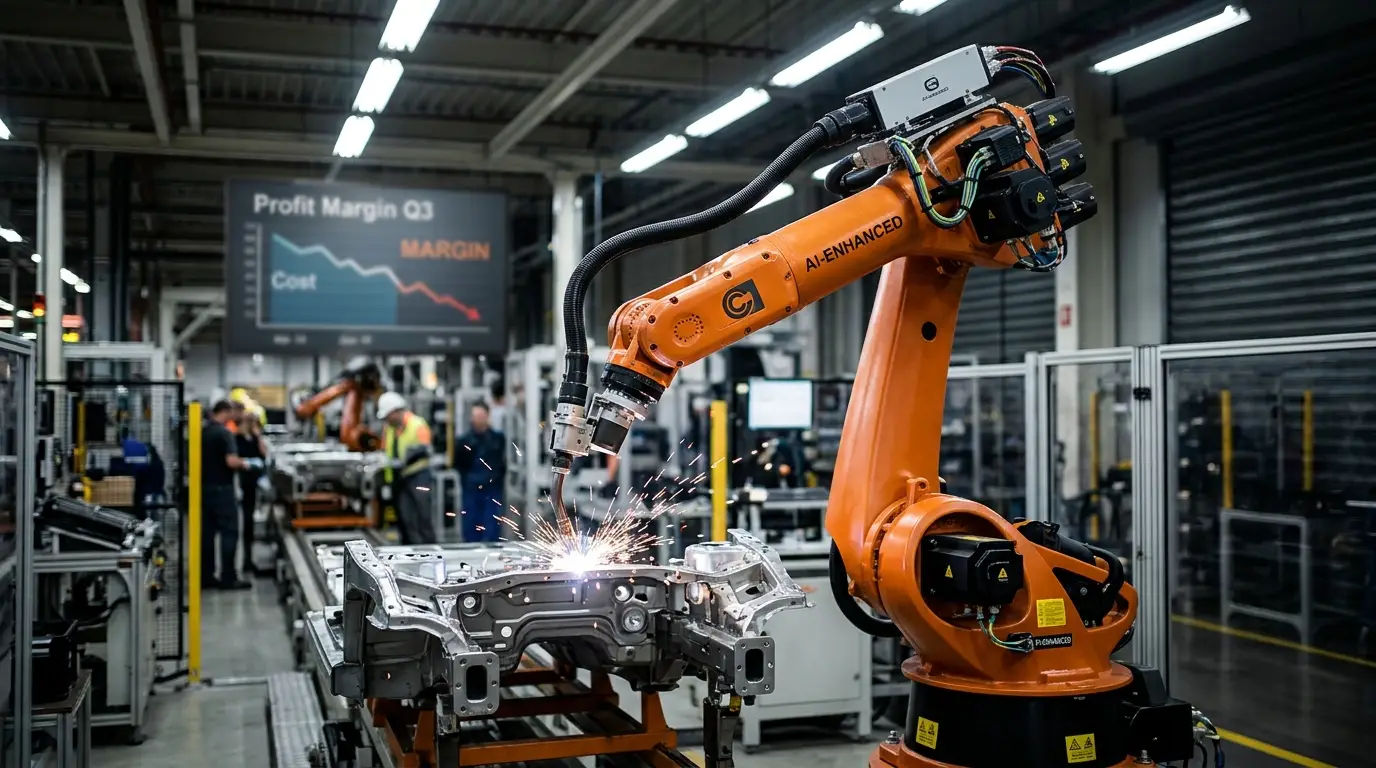
The factory floor is getting a massive intelligence upgrade, but the companies building the physical machines might not be the ones cashing in. According to recent analysis from S&P Global, artificial intelligence is fundamentally reshaping the industrial robotics sector. While machine learning is making automation viable for highly complex, frequently changing production lines, the financial rewards are increasingly bypassing traditional hardware fabricators in favor of software vendors and the manufacturers deploying the tech.
The Shift From Hardware to Software Value
Historically, selling physical robotic arms and heavy actuators was the primary revenue driver for equipment makers. Today, AI-driven simulation and programming tools have drastically lowered the technical barriers to reconfiguring assembly lines. Because modern algorithms allow a single machine to seamlessly switch between varying tasks without manual re-calibration, factories can achieve higher productivity without necessarily buying new physical units.
This hyper-efficiency creates a massive headache for legacy hardware builders. Instead of purchasing additional machines, plant managers are simply upgrading the brains of their existing fleets. Consequently, specialized industrial software developers and digital twin platforms are capturing the lion's share of the new economic surplus. To survive this margin squeeze, equipment manufacturers are being forced to pivot aggressively toward proprietary software ecosystems, predictive maintenance contracts, and lifecycle services.
Global Fleet Expansion and AI Integration
Despite the profit challenges for hardware vendors, the sheer volume of robots entering the global workforce continues to climb. Ongoing labor shortages and the relentless push for manufacturing productivity are driving unprecedented adoption rates across automotive and electronics sectors. According to the International Federation of Robotics, the market just witnessed historic expansion numbers over the last full calendar cycle, proving that physical automation is still highly relevant.
| Robotics Industry Metric | Previous Annual Baseline | Current Record Volume | Year-Over-Year Growth |
| Global Annual Installations | 543,240 Units | 603,000 Units | + 11.0% |
| Active Operational Fleet | 4,678,890 Units | 5,100,000 Units | + 9.0% |
| Programming Efficiency Gains | Baseline Manual Coding | AI-Assisted Simulation | + 400% Faster Deployment |
Who Actually Wins the Automation Race?
The ultimate takeaway from the recent market analysis is that the real winners of this technological shift are the end-users. Manufacturing giants who integrate these smart systems are seeing their operating margins swell as AI handles process variability and complex application engineering.
Before we see fully autonomous, self-deploying robotic systems on a massive commercial scale, the industry will first experience a transitional phase dominated by better programming interfaces and virtual testing environments. If a factory can double its output simply by running an AI software update on its current machinery, the demand curve for new hardware naturally flattens out. For the traditional robotics industry, the mandate is clear. They must evolve into software-first companies that sell continuous digital optimization, or watch their profit margins get automated away by the very intelligence they helped install.

Popular news

Nvidia CEO Jensen Huang Admits to an Affair as Company Probes Possible Chinese Espionage

Singapore General Hospital Wins Global Healthcare Award For Antibiotic AI Tool

Global Media Leaders Forge AI Action Plan at Beijing Summit

Nvidia Board Launches Probe Into Foreign Intelligence Reports Targeting CEO

Developers Test Free Local AI Stack Against Premium Cloud Coding Agents