Nvidia CEO Jensen Huang Admits to an Affair as Company Probes Possible Chinese Espionage
NewsUpdated at
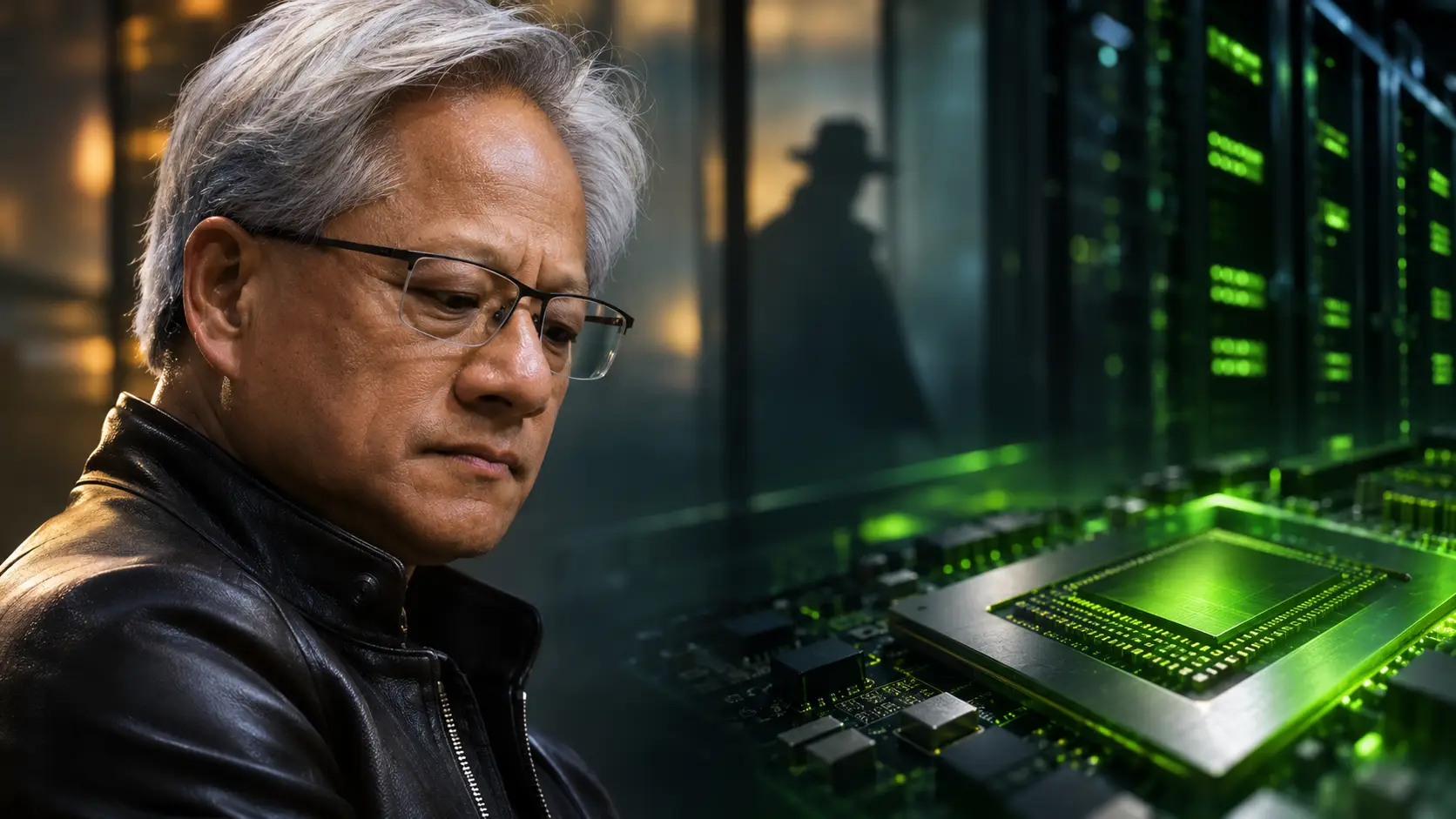
Nvidia CEO Jensen Huang has admitted to being unfaithful to his wife. The affair has taken on political and corporate overtones because the woman he was reportedly involved with has been suspected by US media of ties to Chinese intelligence. Nvidia has announced an independent investigation into possible foreign espionage.
The 63-year-old head of the US chip giant apologised to employees in a personal message on Sunday, November 8. In the statement on Nvidia’s website, Huang acknowledged that he had hurt his family and fallen short of his responsibilities to the company.
The admission follows reports about Alice Huang, a Chinese businesswoman associated with a major Nvidia customer. According to several news outlets, US intelligence agencies suspect she gathered information for Beijing. It has not been established whether any trade secrets or sensitive US information were actually obtained.
Jensen Huang apologises to his family and Nvidia
In his message to staff, Huang took personal responsibility for his actions. He wrote that he had been unfaithful to his wife and that his behaviour had hurt his family.
He also addressed Nvidia’s employees, directors, business partners and shareholders. Huang said they deserved better from the person leading the company.
Huang, who co-founded Nvidia in 1993 and built it into one of the most influential companies in the AI industry, said he remained fully committed to his work.
His full statement also includes a striking passage on US national security. Huang pledged to cooperate with the investigation into reports of foreign intelligence activity.
He also asked the public to respect his family’s privacy.
Who is Alice Huang, and why is she suspected of espionage?
The woman at the centre of the reports is Alice Huang, also known as Huang Le. She worked for Singapore-based technology company Megaspeed, which provides AI computing power and data centre services.
Megaspeed is an Nvidia customer. The company has previously drawn the attention of US authorities amid suspicions that advanced AI chips were being routed to China through foreign companies.
According to The New York Times, US intelligence agencies concluded that Alice Huang passed information to Beijing. Authorities reportedly monitored her contacts with Jensen Huang after she developed a close relationship with him.
The US government restricts exports of certain advanced Nvidia chips to China. Washington aims to prevent China from gaining unrestricted access to the most powerful technology for training and running AI systems.
Megaspeed is a notable player in this context. According to trade records reviewed by The New York Times, a Malaysian affiliate bought at least $4.8 billion worth of advanced equipment using Nvidia technology between June 2024 and February 2026.
That trade volume does not, on its own, prove that the equipment was illegally exported to China. It does, however, help explain why US authorities are scrutinising Megaspeed’s business relationships.
US authorities have reportedly identified Alice Huang as a Chinese intelligence source. That assessment is not the same as a publicly proven espionage case. Nor has it been established that Jensen Huang deliberately shared sensitive information.
Nvidia launches independent investigation
Nvidia’s board has now formally taken charge of the matter.
In a statement dated November 8, the board announced that it would appoint an independent committee, supported by external legal advisers.
The investigation will determine whether Huang was targeted by a foreign intelligence operation and what consequences it may have had.
At the same time, the company said it currently has no reason to believe that US national security interests or Nvidia trade secrets have been compromised.
The board expressed confidence in Huang and his management team. He will remain at the helm while the investigation is under way.
A spokesperson confirmed to Axios that Huang intends to continue his work as CEO without interruption.
That response matters to investors. Nvidia is closely tied to Huang’s leadership: he is not only its founder but also a central figure in the company’s technology strategy and its relationships with governments and major customers.
Why the affair goes beyond a CEO’s private life
A senior executive cheating on his partner is hardly a story with global implications for the AI industry. The possibility of foreign intelligence involvement changes everything.
Nvidia supplies the chips that power much of today’s AI industry. Companies use them to train advanced AI models and build massive data centers.
Access to these chips has become a strategic flashpoint between the United States and China.
Jensen Huang also wields considerable influence in Washington. He maintains ties with the US government and takes part in discussions about export rules and international trade in AI technology.
According to Reuters, US lawmakers have now sought further explanations about the matter.
The risk under investigation goes beyond potential access to confidential technical information. Foreign intelligence services may also be interested in business strategies, negotiations and contacts between technology companies and the US government.
One crucial distinction remains: suspicions surrounding Alice Huang do not automatically mean that Jensen Huang knowingly took part in espionage.
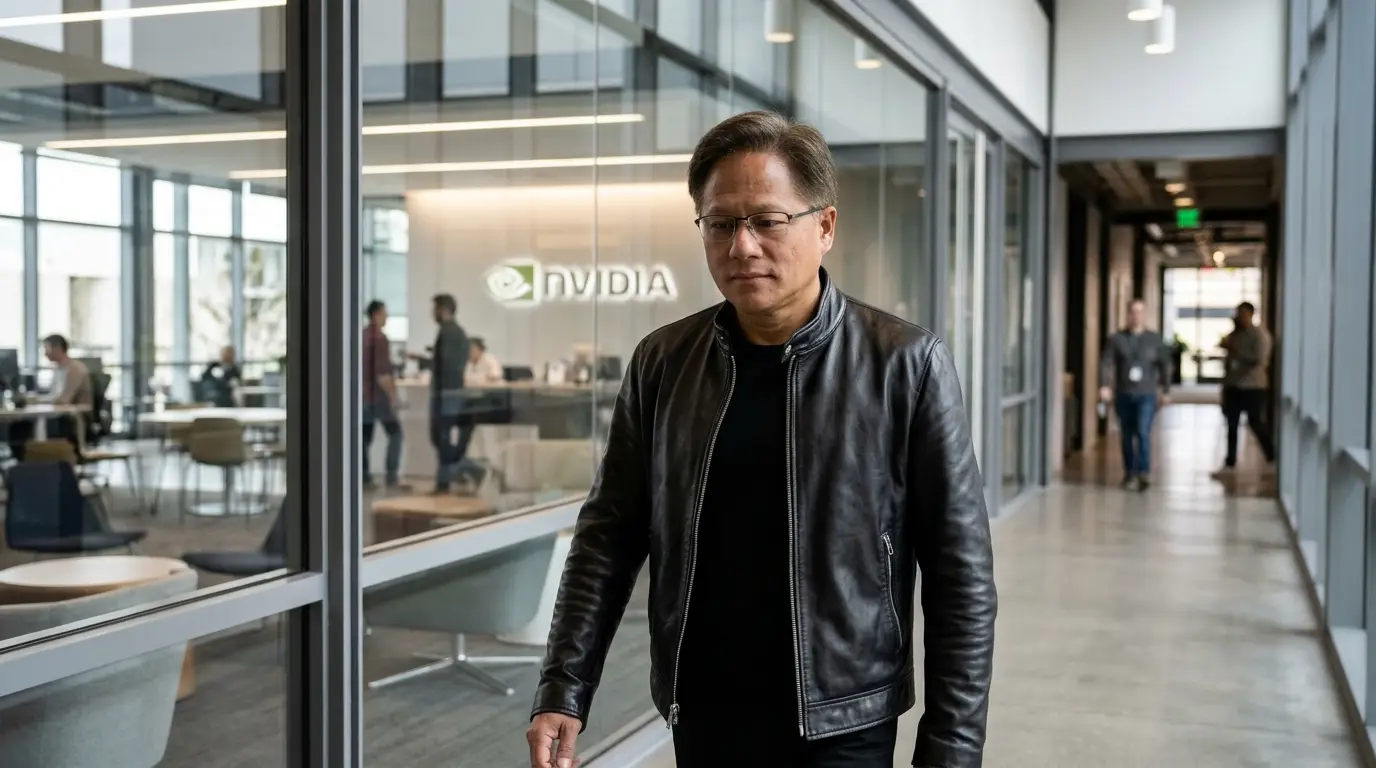
What does this mean for Nvidia and AI stocks?
The controversy comes at a sensitive time for Nvidia. Investors are closely watching the company’s massive AI investments—and questioning how long its growth can last.
The independent investigation adds a new risk. Prolonged uncertainty about the CEO could undermine investor confidence, especially given how closely Huang is tied to Nvidia’s identity and strategy.
That does not mean his job is immediately at risk. The board has explicitly expressed its confidence in him.
Nor has any evidence been made public showing that confidential Nvidia technology actually reached Chinese intelligence services.
The focus now will be on the findings of the independent investigation. Two questions matter: did a foreign intelligence service gain access to confidential information, and does Nvidia need to take further steps to protect its operations and strategic relationships?
Nvidia has pledged to share more information when appropriate. No date has been set for the committee to present its findings.

Popular news

Thinking Machines Unveils Inkling 2 Small for Enterprise AI Workloads

Nvidia Tightens AI GPU Tracking in Southeast Asia to Prevent Smuggling
Nvidia Board Launches Probe Into Foreign Intelligence Reports Targeting CEO

AI Robot Targets Fish Brains to Keep Them Fresh Longer

Dutch Human Rights Watchdog Warns of Major Annual Shortfall in AI Oversight