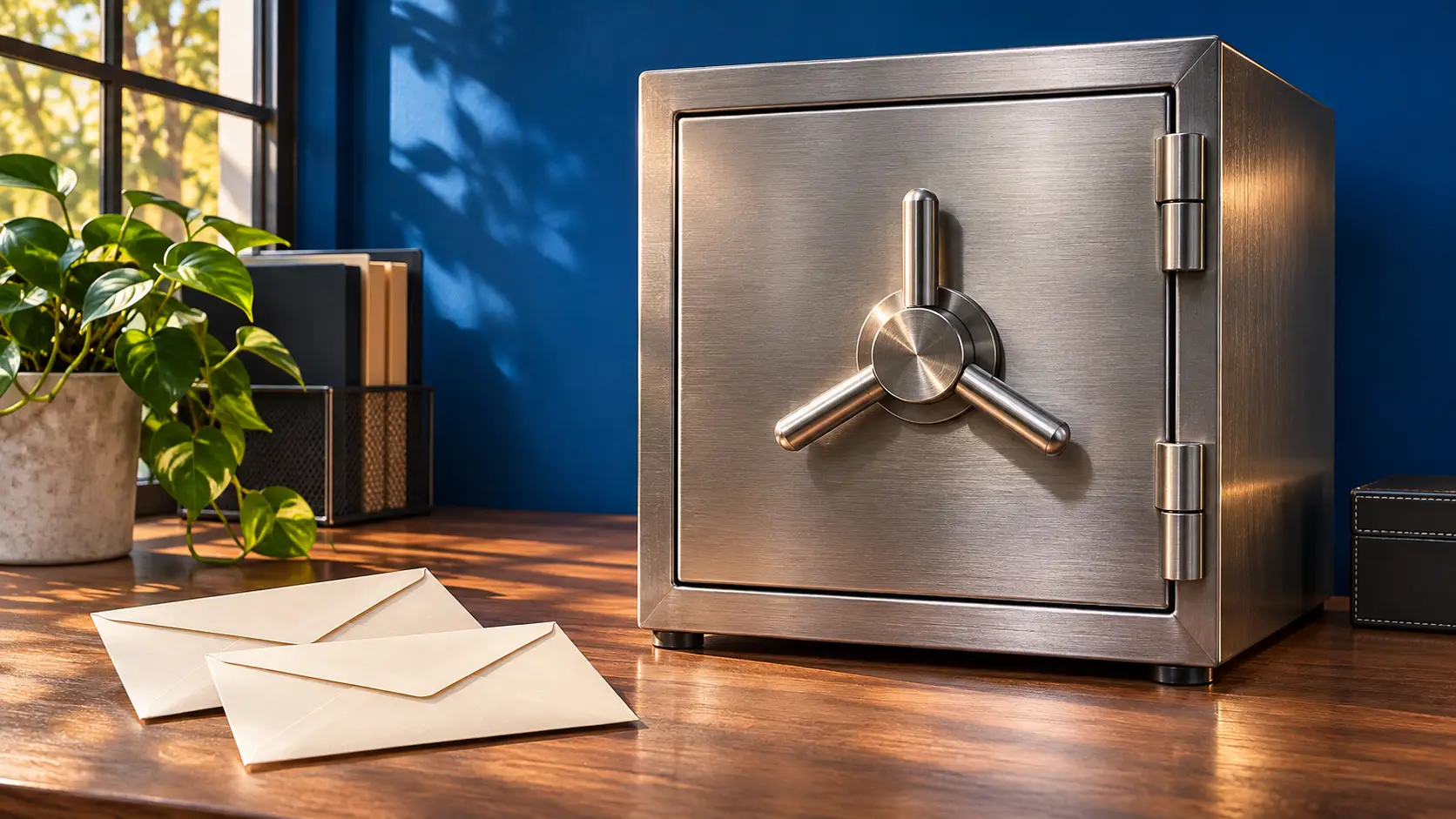
An illustration of the distinction between customer account records and the contents of a password vault.
1Password says a hacker stole names and email addresses for some customers. The firm found no sign that the hacker got hold of encrypted vaults. The stolen account data could still make fake support messages harder to spot.
What the hacker took
1Password began to look into the breach on November 19. Its November 25 notice says a hacker got into a staff member’s GitHub account. The hacker copied code from private projects and reached tools that build and ship software. Code run on the firm’s servers let the hacker copy some account records.
The records held names, email addresses, account IDs and sign-in times. They also held public keys, sign-in system data and tokens from some emailed links. The links were for invites, account setup or recovery. They still needed a second check to work. 1Password says it told the affected users in account setup or recovery. It found no sign of an account takeover that used an exposed setup token.
What would put a vault at risk
1Password accounts that use an account password also use a Secret Key to help keep the vault locked. 1Password says it stores neither one. If a thief got both from a device and also had a copy of its vault, that vault would be at risk. This is a separate case. A company representative said there is no evidence that the hacker got encrypted vaults in this breach.
A bad app update is a separate risk because an app can see data on a user’s device. 1Password says its apps and browser add-ons were unaffected. It says the code ran on its servers. The firm shut off the hacker’s access and put clean software back in place. It changed internal credentials that could have been exposed. It also brought in outside experts and plans to publish what caused the breach.
Where AI changes the risk
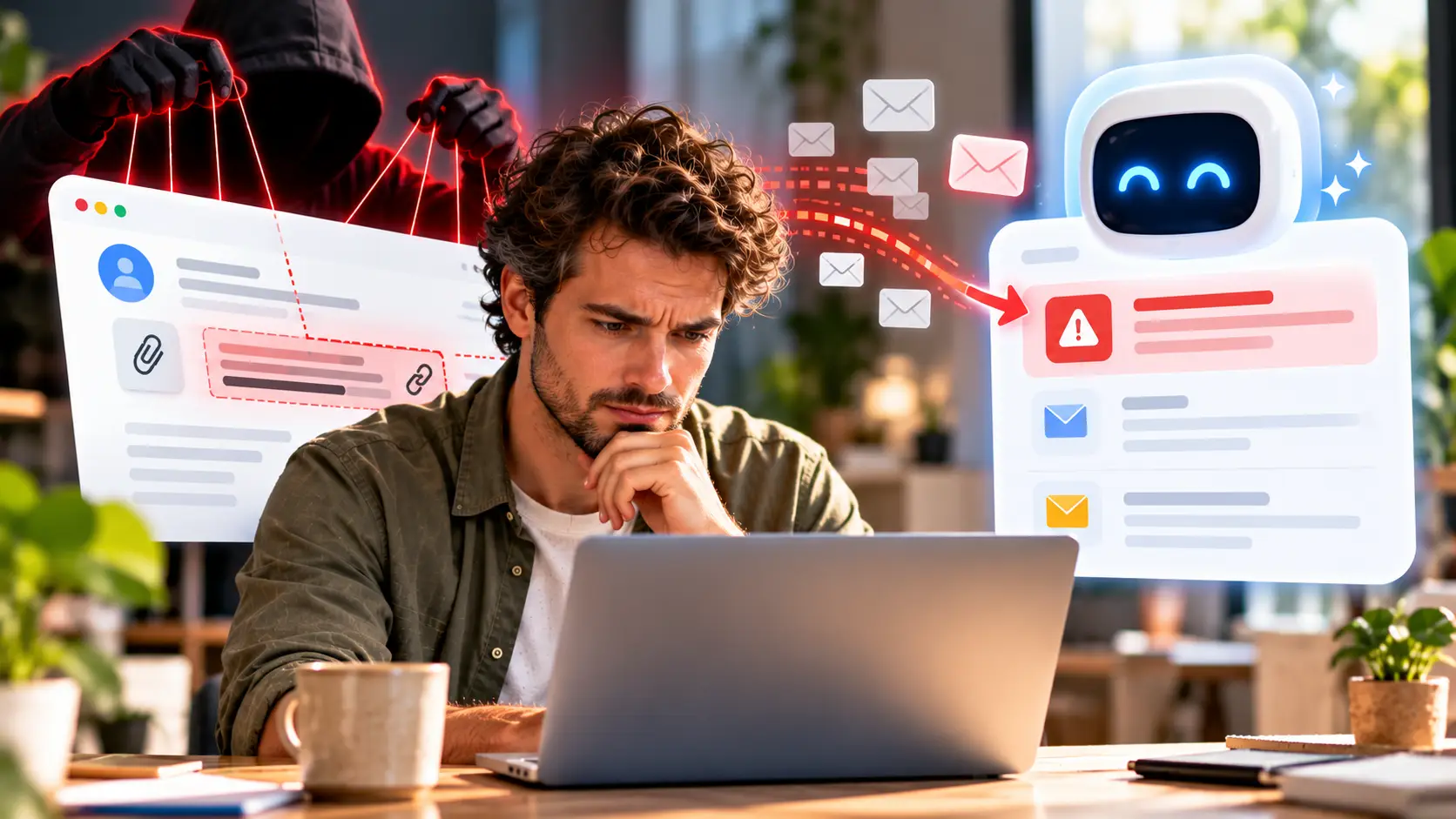
1Password’s notice gives no sign that AI played a part in the break-in. AI could help make scams that follow the news sound more real. The FBI has warned that AI can write polished messages and mimic a trusted voice. The name in a message may be real. The sender may still be fake.
The stakes can be high for people who handle private sources, client files or funds. Check a request with someone you already know through a channel you trust. Our report on scams aimed at AI inbox tools shows why a summary alone is a poor way to judge a message.
What customers can do
1Password says you do not need to change your account details because of the breach. If an email asks you to sign in or recover an account, open the app yourself or type the official address. 1Password says it will never contact you to ask for your account password or Secret Key. If you shared either with someone you do not trust, contact official support from a trusted device.

Popular news

Soitec jumps 6.9% as European chip stocks rebound and Eutelsat falls

Kioxia jumps 12.6% as Asian AI stocks trade through Thanksgiving

Ant Group releases a design image model that tops the open-weight ranking

Barbados and the UN call for a global AI safety framework

Perplexity lets developers search the web as it looked on an earlier date