
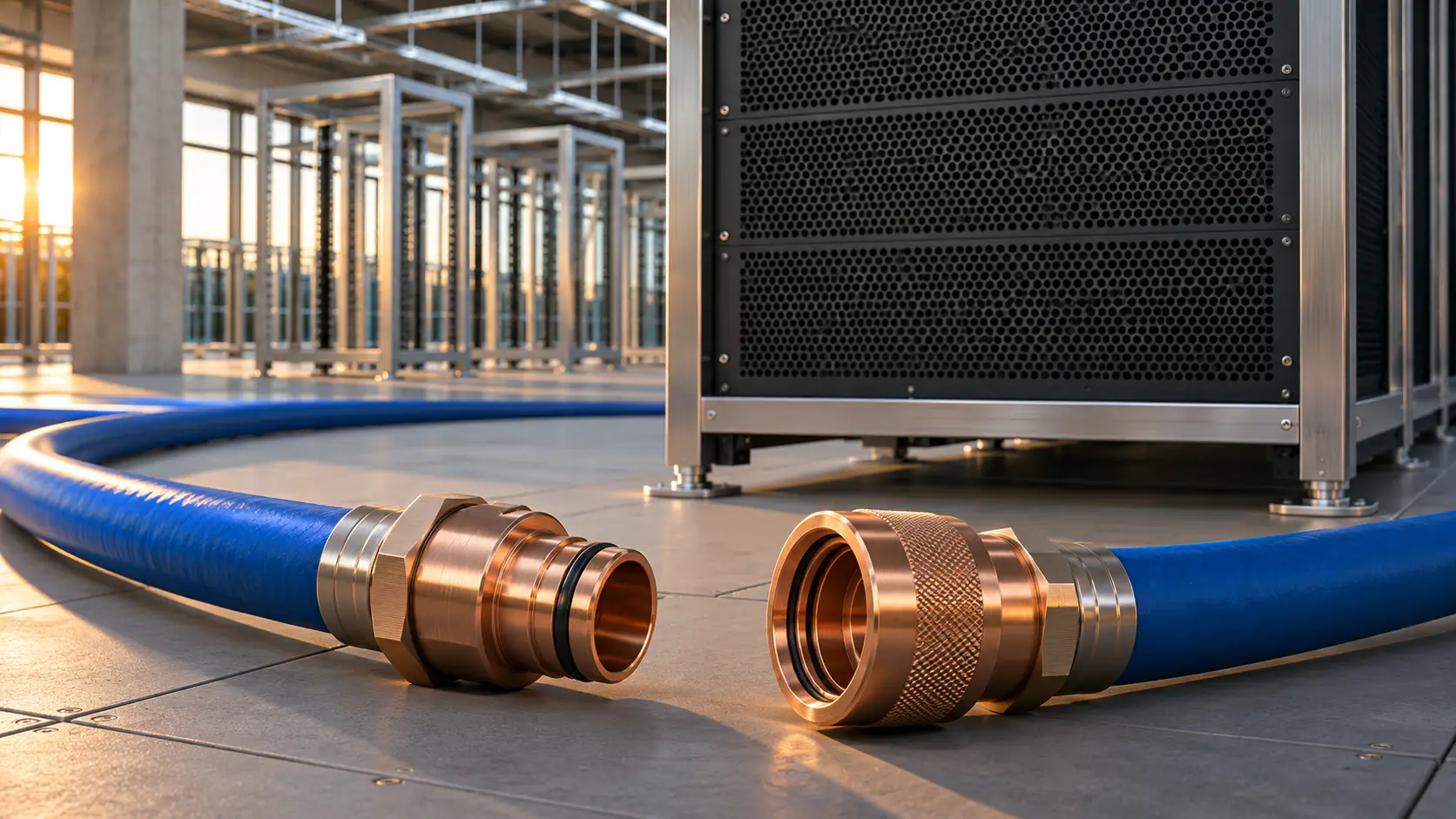
Concept illustration of spacecraft heat radiators. SpaceX’s Starmind hardware is not shown.
SpaceX has conditional U.S. approval for a network of up to a million satellites that would run computing jobs in orbit. The November 26 episode of AI World Today looks at one of the biggest engineering questions for Starmind. Once the chips are running, where does their heat go?
Listen to the November 26 episode
Follow AI World Today: Daily News on Spotify, Apple Podcasts or Amazon Music. You can also open the episode player directly.
What the FCC approved
SpaceX plans for Starmind to pass data to Starlink over laser links. The FCC order grants backup and emergency radio links, with conditions. To keep the grant, SpaceX must get at least one satellite working by November 25, 2033. The targets rise to 10% of the authorized fleet by 2035, half by 2038 and the full fleet by 2040.
Those are deadlines in the grant. SpaceX still has to build, launch and run the fleet. The FCC also requires a final debris plan and a request to amend the grant before SpaceX deploys satellites that will operate above 600 kilometers.
Cold space still leaves a hot chip
At a data center on Earth, a system can move heat into air or water and send it outside. A spacecraft can also move heat away from a chip with metal or a fluid loop. In the vacuum outside, heat has to leave by radiation, as NASA’s thermal-control guide explains.
A computer drawing one kilowatt of power turns roughly that much into heat. Its radiators need to shed that heat as long as the computer keeps running. Larger panels can help, and they add material and mass to the launch. How a spacecraft faces the Sun and Earth also affects where designers can put them.
Solar panels could supply power for computing jobs in orbit. Sunlight depends on where a satellite flies and how it points. The costs of launch, cooling and replacing worn gear all matter. Scientists and satellite operators raised questions about the scale of the plan and space debris, the Associated Press reported.
ChatGPT and Codex will share a usage limit
OpenAI’s November guidance says ChatGPT and Codex will draw from the same token-based allowance for Plus, Pro and Business from December. The rollout has started with a small group. Instant chat is excluded. A hard job may use more of the allowance than a quick one.
Perplexity can search saved pages by date
Perplexity Time Machine lets developers search for page versions saved by a date up to 365 days ago. A team can test a forecast without letting search return a news story about the result. That filter covers the pages the tool brings back. A model could still know about the event from its training.
MAGI-2 makes video and sound in one pass
Sand AI’s MAGI-2 can make up to 30 seconds of 1080p video with speech, music or other sound. Higgsfield lists $2.40 for a single 30-second API generation. The web app uses credits, and extra takes add to the cost.
This episode is narrated by an AI voice. Find past briefings in our podcast archive.


byEditorial Team
Popular news

Tencent opens the AI models behind WeChat’s product search

Midjourney’s Niji 8 brings back a way to reuse anime characters

Kioxia jumps 12.6% as Asian AI stocks trade through Thanksgiving

How does a data center get connected to the US power grid?

Bleckmann will test two humanoid robots in European warehouses