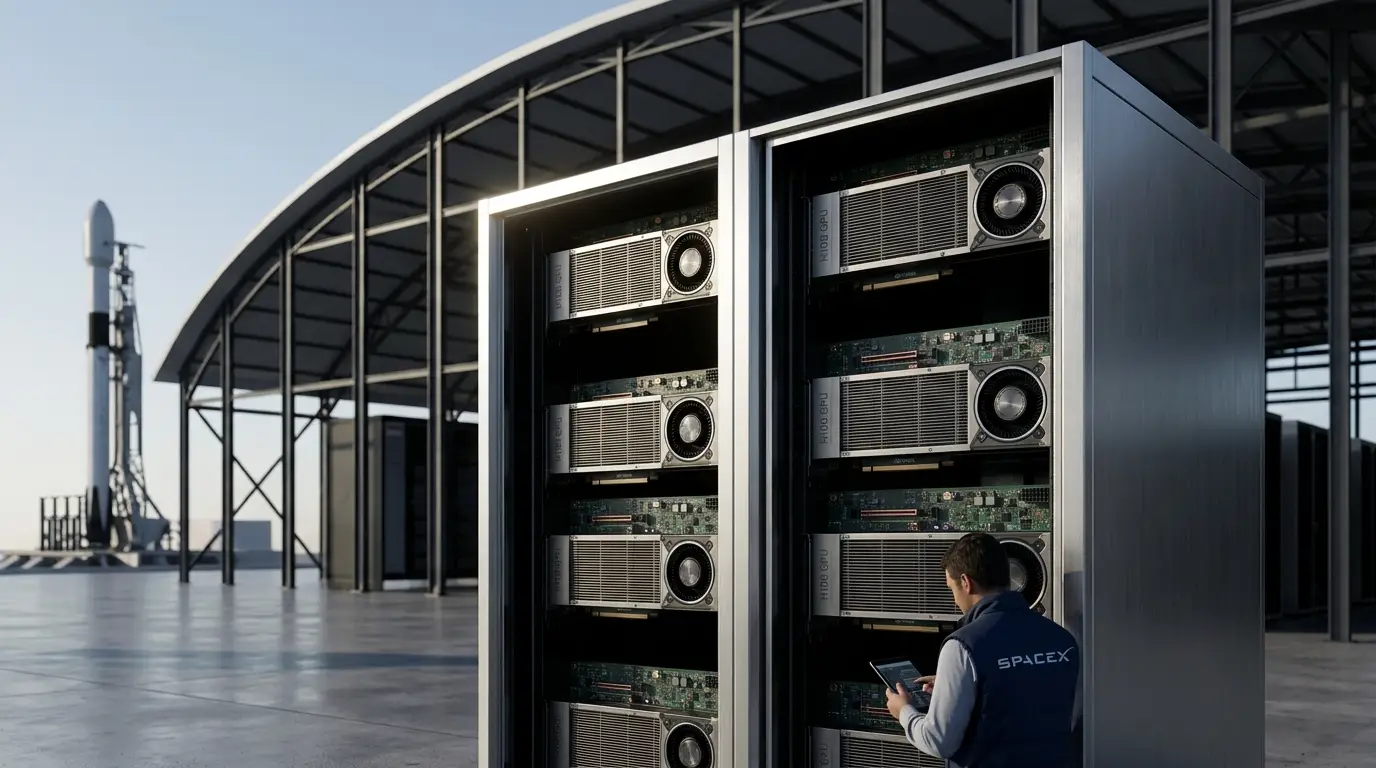
SpaceX has finalized a substantial 40 billion dollar debt financing arrangement specifically earmarked for the acquisition of graphics processing units. This strategic financial move underscores the company's aggressive pivot toward supporting large scale artificial intelligence workloads.
The capital is expected to facilitate the deployment of next generation hardware throughout the first half of 2027. This development highlights how traditional aerospace and telecommunications entities are rapidly transforming into major players in the global AI infrastructure landscape. The sheer scale of this financing reflects the immense computational power required to train and operate advanced machine learning models that drive modern technological innovation.
Soaring Costs and Future Capital Requirements
The financial demands of building AI capable data centers continue to escalate across the technology sector. Elon Musk indicated that the company anticipates facing up to an additional 40 billion dollars in capital spending during the fourth quarter alone. These projections reveal the staggering operational expenses associated with maintaining competitive AI capabilities. The rapid accumulation of hardware assets requires continuous liquidity and robust financial planning to sustain long term growth trajectories in such a capital intensive environment.
| Financial Metric | Projected Amount | Timeline | Primary Purpose |
| Closed Debt Financing | 40 billion USD | Immediate | GPU acquisitions |
| Expected Capital Spending | Up to 40 billion USD | Fourth Quarter | Infrastructure scaling |
| Hardware Deployment Window | N/A | First Half 2027 | Operational integration |
| Total Near Term Exposure | 80 billion USD | Late 2026 to Mid 2027 | Comprehensive AI buildout |
Strategic Implications for the Tech Industry
This level of investment signals a broader industry trend where physical infrastructure becomes the primary bottleneck for AI advancement. Companies are increasingly prioritizing raw computational throughput over software optimization alone. By securing such significant funding, SpaceX positions itself to handle complex neural network training and real time inference tasks at an unprecedented scale.
The focus on GPUs indicates a direct commitment to parallel processing architectures that are essential for deep learning applications. As AI models grow in complexity, the demand for specialized silicon continues to outpace traditional supply chains, forcing companies to secure hardware well in advance of actual deployment needs.
Navigating the High Cost of Innovation
The decision to take on substantial debt highlights the high stakes involved in the current AI race. Organizations must balance immediate hardware acquisition with long term revenue generation from AI driven services. Musk's transparency regarding future spending expectations provides investors with a clear picture of the resource intensity required to remain at the forefront of technological development.
This approach ensures that the necessary physical backbone exists to support the software innovations that define the next era of computing. The convergence of aerospace engineering and artificial intelligence creates unique opportunities for cross domain technological breakthroughs that rely heavily on this foundational computational power.

Popular news

Akamai launches Agent Sandbox to limit what AI code can do

Grand Theft GPU - How Thieves Steal Data Center Hardware in Transit

More FPS with AI and DLSS Doesn’t Automatically Mean a More Responsive Game

Anthropic Is Going Public: What Claude’s Numbers Reveal

OpenAI Launches GPT 6.1 Terra for Faster AI Agents at Half the Price

Anthropic's IPO Filing Reveals $16.3 Billion in Revenue and the Cost of Growth
Latest comments
Loading