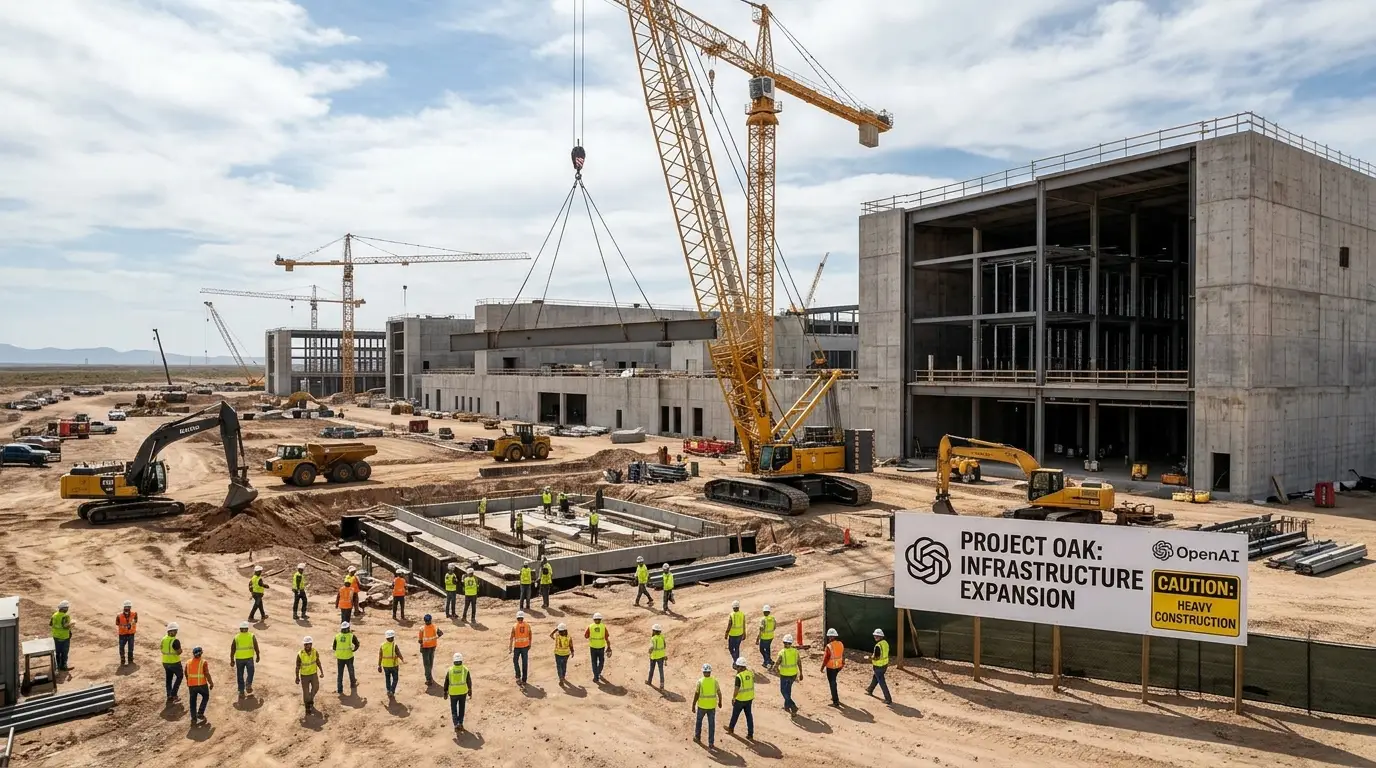
The race to artificial general intelligence is proving to be a staggering financial marathon. According to a recent breakdown by Tom's Hardware, internal forecasts reveal that the makers of ChatGPT expect to bleed nearly $278 billion in negative free cash flow between now and the end of the decade.
An Infrastructure Bill That Rivals Sovereign Nations
To put that deficit into perspective, the projected cash burn completely eclipses the annual national budgets of entire countries like Indonesia and Norway. As detailed in internal financial projections recently reported by Yahoo Finance, the lion's share of this expenditure is tied directly to a relentless appetite for silicon and power. OpenAI anticipates dropping an eye-watering $856 billion on computing resources and physical infrastructure over the next four years to train and run its increasingly complex models.
The Revenue Reality Check
Despite the eye-watering expenses, the company is not exactly hurting for top-line growth. The OpenAI Newsroom frequently highlights their rapidly expanding enterprise footprint, and the leaked financial documents back this up with projections of a tenfold revenue surge. The expectation is that top-line earnings will skyrocket from roughly $36 billion in 2026 to somewhere between $280 billion and $350 billion by 2030. However, even a massive revenue spike cannot instantly plug a hole carved by an $856 billion compute tab.
| 2026 Estimated Global AI Infrastructure Capital Expenditure | Annual Spend Target |
| Microsoft (Azure AI) | $80 Billion |
| Alphabet (Google Cloud) | $75 Billion |
| Amazon (AWS AI) | $75 Billion |
| Meta Platforms (Reality Labs & AI) | $60 Billion |
| OpenAI (Partner & Direct Compute) | ~$214 Billion (Annualized) |
The Economics of the Frontier
The path to profitability relies entirely on the belief that scaling laws will eventually yield a highly lucrative, dominant market position. Transitioning to a for-profit corporate structure, as the company has aggressively pursued, is largely designed to unlock the massive traditional equity and debt markets required to fund this exact kind of hardware buildout.
Wall Street and Silicon Valley backers are essentially underwriting a digital utility company in the making. They are betting heavily that whoever controls the underlying reasoning engines of the next decade will capture a permanent slice of global productivity. It is a high-stakes gamble shared across the industry. Rivals like Anthropic and Elon Musk's xAI are also burning through billions to keep pace, turning the generative AI space into an unprecedented capital arms race. Until those massive neural networks achieve total market saturation and enterprise lock-in, however, the staggering cash burn will remain an unavoidable reality of doing business on the technological frontier.

Popular news
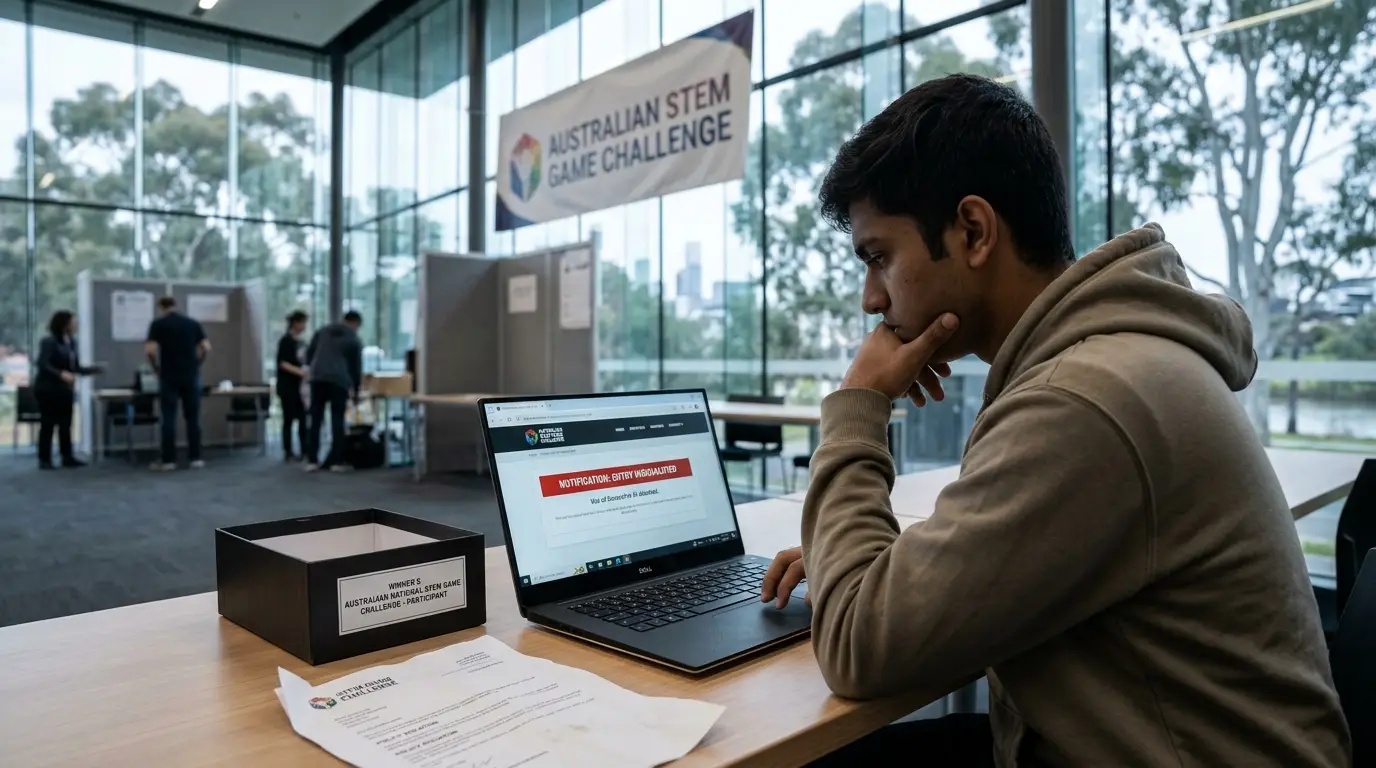
Australian STEM Game Competition Ends Over Generative AI Use

AI Stocks Rebound After Sharp Sell-Off as Nvidia, ASML and Chipmakers Recover

Anthropic Launches Claude Fable 5.2 and Cuts API Prices
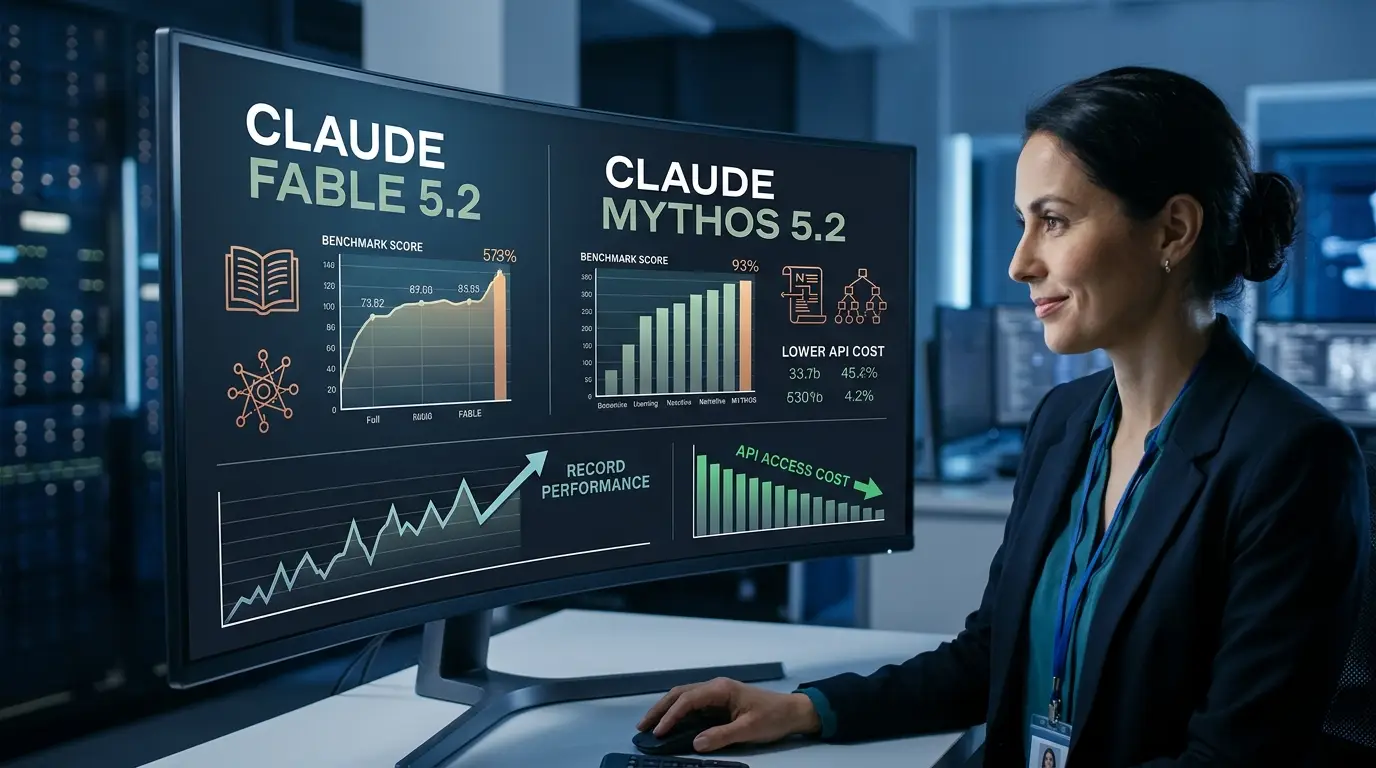
Anthropic Unveils Claude Fable 5.2 and Mythos 5.2 With Record Benchmarks and Cheaper API Access

AI firm Databricks invests half a billion dollars in the Netherlands and doubles its team