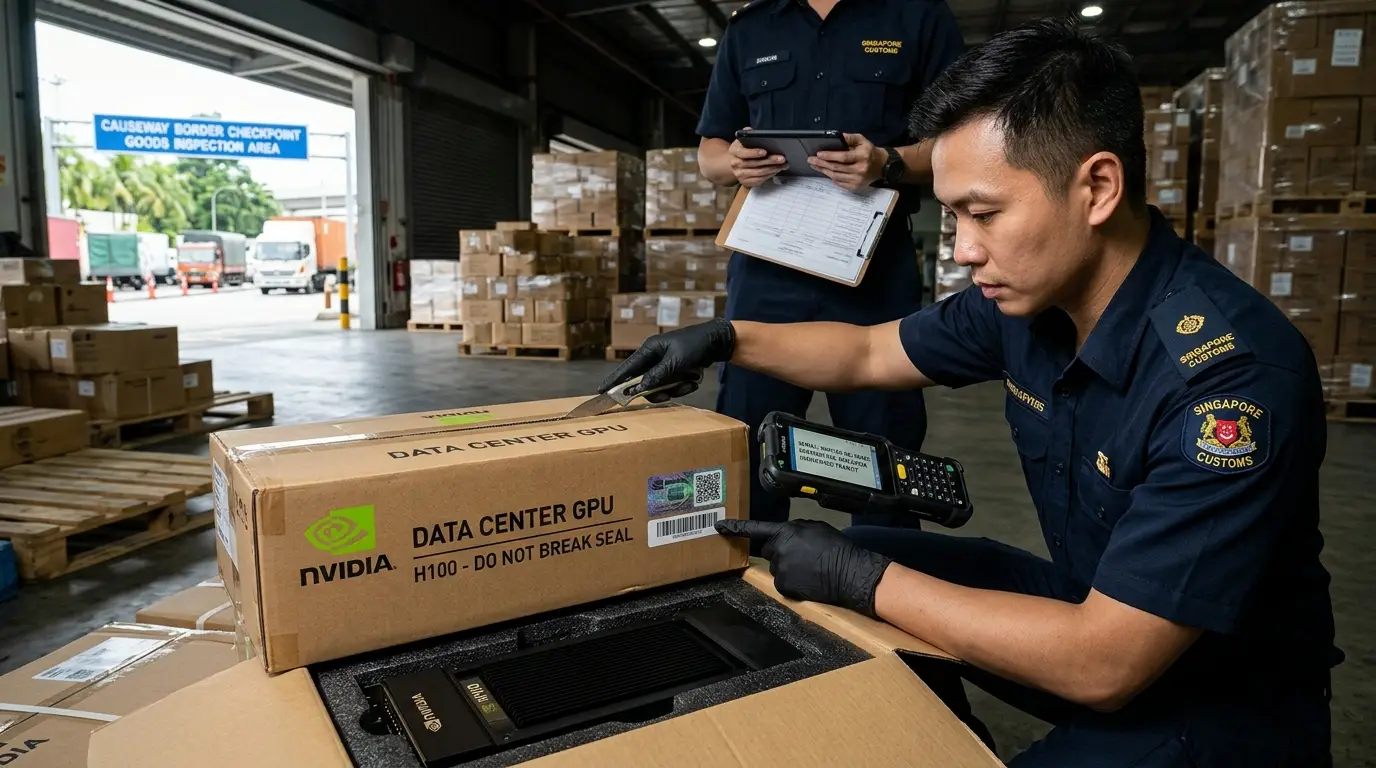
Nvidia is implementing stricter oversight of its artificial intelligence processors in Southeast Asia to combat the illicit diversion of advanced hardware. Reports indicate that cloud providers in the region must now enroll in the Fleet Intelligence monitoring system to qualify for official Nvidia Cloud Partner status as detailed in recent industry coverage. This strategic move directly addresses growing scrutiny over restricted AI chips allegedly reaching unauthorized buyers through regional transit networks. By linking official endorsement and preferred chip access to hardware monitoring, Nvidia creates a powerful incentive for compliance without imposing blanket restrictions on all customers.
Understanding the Fleet Intelligence System
The Fleet Intelligence service provides organizations with robust inventory, integrity, and health monitoring for their graphics processing unit fleets according to official documentation. Installing a local software agent allows the semiconductor giant to maintain continuous visibility into the location and operational status of individual accelerators. This telemetry data helps verify exactly where processors are operating after they pass through complex global supply chains. While enrollment does not automatically grant access to every customer data point, it significantly enhances the ability to audit hardware deployments and verify compliance with international trade regulations.
| Program Element | Operational Detail |
| Monitoring System | Fleet Intelligence telemetry service |
| Target Region | Southeast Asia cloud infrastructure |
| Compliance Requirement | Mandatory enrollment for new partner applicants |
| Primary Objective | Prevent illicit hardware diversion and smuggling |
| Partner Benefits | Public endorsement and prioritized hardware allocation |
| Data Collection Scope | Accelerator location and operational health metrics |
Addressing Supply Chain Vulnerabilities
United States authorities have long expressed concern that restricted hardware reaches prohibited entities via external intermediaries. Southeast Asia has frequently served as a critical transit point for these illicit operations. Recent investigations into regional distributors have highlighted the urgent need for enhanced supply chain transparency. Company leadership recently defended their due diligence efforts, stating that the corporation actively studies GPU deployments and accounts for every processor in high risk environments. This new regional tracking mandate represents a logical escalation of those internal auditing practices to satisfy regulatory expectations and maintain global trade compliance.
Strategic Implications for the Industry
The requirement establishes a clear boundary for businesses seeking to leverage accelerated computing platforms. Providers will receive valuable benefits including public endorsement and prioritized access to highly desired artificial intelligence chips through the official partner network. However, these advantages now come with mandatory transparency obligations. It remains unclear whether existing partners must retroactively join the program to retain their designation or if the rule will eventually extend to other global regions. Enterprises must now weigh the operational benefits of official partnership against the stringent monitoring requirements necessary to maintain that status in an increasingly regulated market.

Popular news

PSI Says AI System Solved an 18-Year-Old Quantum Computing Conjecture

OpenAI Unveils GPT-6 Cyber for Advanced Vulnerability Research

Airbnb Challenges Traditional Chatbots With AI Travel Agent Planned for 2027

Claude’s 'Dreaming' Explained: How AI Memory Works

AWS Launches Agentic AI Kiro Bots With Memory And Recurring Job Support