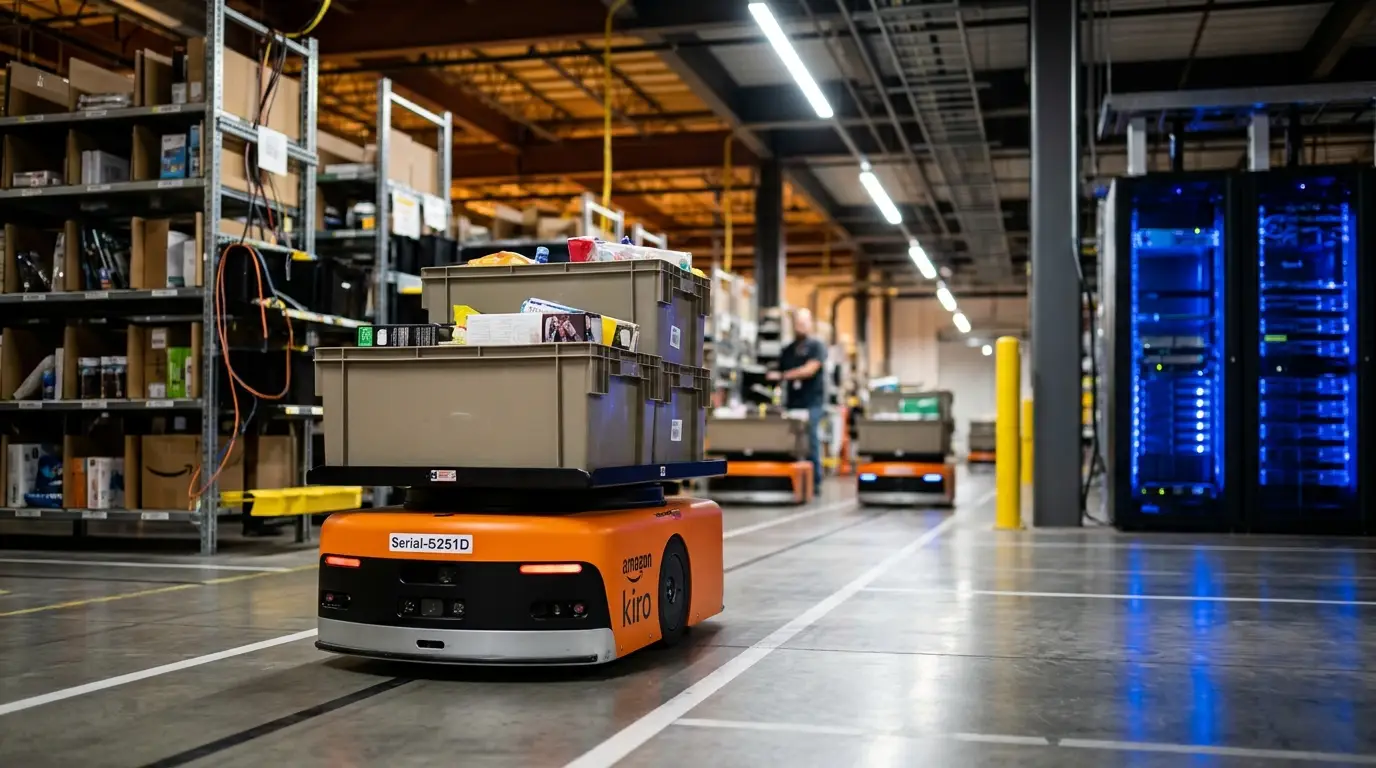
Amazon Web Services recently introduced Kiro bots to handle recurring development responsibilities. These persistent agents operate within the Kiro Crew workspace to oversee ongoing tasks. Developers often struggle when delegating multiple jobs to artificial intelligence simultaneously. Someone must traditionally check which agents stalled and reconcile their results. AWS solves this by assigning coordination to bots with distinct roles. A developer can task one bot with monitoring failed builds while another reviews proposed code changes.
Each agent retains its own context and directs multiple worker sessions independently. This structural shift moves the developer role from managing individual prompts to overseeing entire automated processes.
Dedicated Memory And Scheduled Workflows
Each Kiro bot maintains a name, an ongoing conversation, and dedicated notes. Developers return to this specific conversation to change direction without reopening every worker session. According to the official Kiro Crew documentation, a bot can launch parallel sessions, track progress, correct deviations, and consolidate output. When a task requires human input, the bot requests a decision while continuing unrelated work. Users describe schedules conversationally, allowing a bot to investigate failures overnight or assemble weekly summaries. The activity log records routine work while the conversation surfaces findings needing attention. This persistent memory ensures the agent understands the reasoning behind past tradeoffs and applies that judgment to future tasks.
| Feature Category | Operational Capability | Developer Benefit |
| Memory Isolation | Separate context per bot assignment | Prevents mixing deployment rules with research data |
| Permission Boundaries | Custom tool access per role | Restricts code modification without explicit approval |
| Model Selection | Independent model choice per bot | Optimizes cost by using cheaper models for routine checks |
| Dashboard Visualization | Customizable activity tracking | Displays backlog changes without reading every exchange |
Controlled Permissions And Model Selection
AWS ties each bot memory to its particular assignment. Decisions about deployments remain separate from the context a research bot accumulates. Users inspect, revise, or remove remembered information at any time. Permissions vary significantly by bot configuration. A research setup inspects files without editing them. A deployment configuration requests approval before making changes. This distinction ensures a bot assigned responsibility does not automatically gain unrestricted authority. Adding tools requires user approval, and the developer decides how much initiative each bot takes. Model selection introduces another layer of control. The coordinating bot and its workers can use different models. Teams reserve capable models for planning while assigning repetitive checks to faster alternatives. The Kiro model catalog includes offerings from major providers alongside open weight alternatives.
Availability and credit charges vary depending on the chosen model. Developers establish their judgment through continuing conversation and feedback. Every correction sharpens the bot understanding of the required intent. This evolution allows teams to scale their review standards and release processes without flattening into one generic workflow. Users can start by mapping their development process into responsibilities that repeat across tasks. Beginning with one narrow process allows for easy evaluation. Teams can then add bots where the purpose of the work changes or where different tools are required. Boundaries are set for how work reaches the bot, which sources it consults, and when it must ask for human input. This methodical approach ensures the technology serves the unique preferences of the engineering team.

Popular news

How a Dutch Company Secured 5,000 Supercomputer Hours After Being Turned Down

Kimi K3.1 Pro Is 1.56 TB—What Computer Can Handle It?

Protest at Microsoft Data Center in Amsterdam: Hundreds Arrested

AppLovin Surges 71% as Lumentum Sinks 36% in a Turbulent Week for AI Stocks
Arm Doubles Data Center Royalties. What Role Is Nvidia Playing?