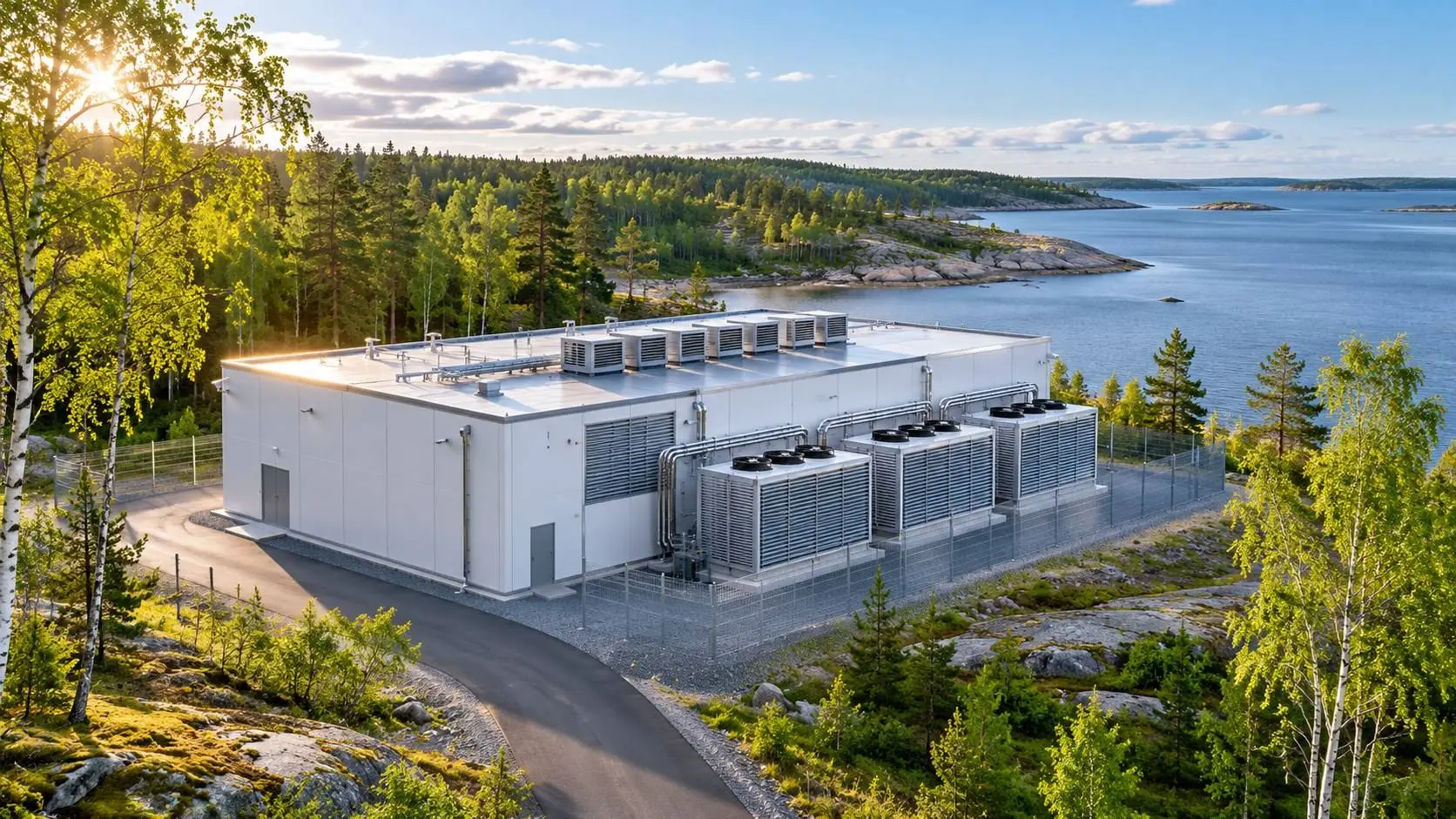
Nokia and four partners plan to bid for a Nordic-Baltic AI gigafactory. They want to link sites in Finland, Estonia, Latvia and Sweden. The sites would give firms, labs and public bodies access to AI compute. The group still needs to submit a bid and win the work.
Nokia, Nscale, Skeleton, Telia and Verda formed the group on November 16. They call it AI Gigafactory Northern. The group named Oulu in Finland, Iru in Estonia and Valmiera in Latvia as sites in its plan. It has yet to choose a site in Sweden.
How the Nordic-Baltic AI gigafactory would work
Most of the plan comes down to linking four sites so they can serve users as one group. The sites would have shared rules under European oversight. A lab or firm could use the group to get access to AI chips and cloud tools. The group could run jobs where it has room, power and the right gear.
Each firm brings a piece of the plan. Nokia would supply the gear that links the sites. Nscale and Verda would bring AI cloud tools and know-how. Telia and its unit Telia Cygate would help run the links and services. Skeleton would supply power gear to help each site cope with shifts in load. The VTT research center in Finland and Sweden’s KTH Royal Institute of Technology are also backing the plan.
The group says the sites could draw on low-carbon power. The cold climate could help cut the need for cooling. More than one site would also give the group more choice about where to add new racks. It has yet to say how many chips it would put in each place.
The kind of work the sites can share will depend on how fast they can send data back and forth. One team might run a job in Finland while another runs one in Latvia. To train one large model across sites, the chips may need to trade data at each step. The plan gives few details on what those links could handle.
What Europe would buy from the project
The group plans to bid for work from EuroHPC. The EuroHPC tender sets out how the EU-backed body will choose groups to build and run these sites. Public buyers would pay for time on the chips. Each AI gigafactory bid must meet rules on chip scale, power supply and the use of water and energy. The two parts of the tender close in December 2026 and February 2027. The group has yet to say which part it will bid for.
EU leaders have been weighing who should pay for AI compute. They also want smaller firms to have a way to use it. Other Nordic firms are building cloud tools that keep sensitive work in the region. This bid would bring that goal to a group of large sites open to users across Europe.
The group gave no dates for building work and no price for time on the chips. It also gave no power figures for the sites. The details of a bid would show more about how much compute the group could offer and when it could come online.



Popular news

OpenAI Launches GPT-6.2 Astra and Sol for ChatGPT Work, Codex and the API

We asked four AIs to predict the GTA 6 story. They all think Lucia and Jason survive

How to Calculate AI ROI: Formula, Example and AI Prompt

AI Acceptable-Use Policy Template for Small Businesses

Who Controls an AI Agent When Its Creator Leaves?