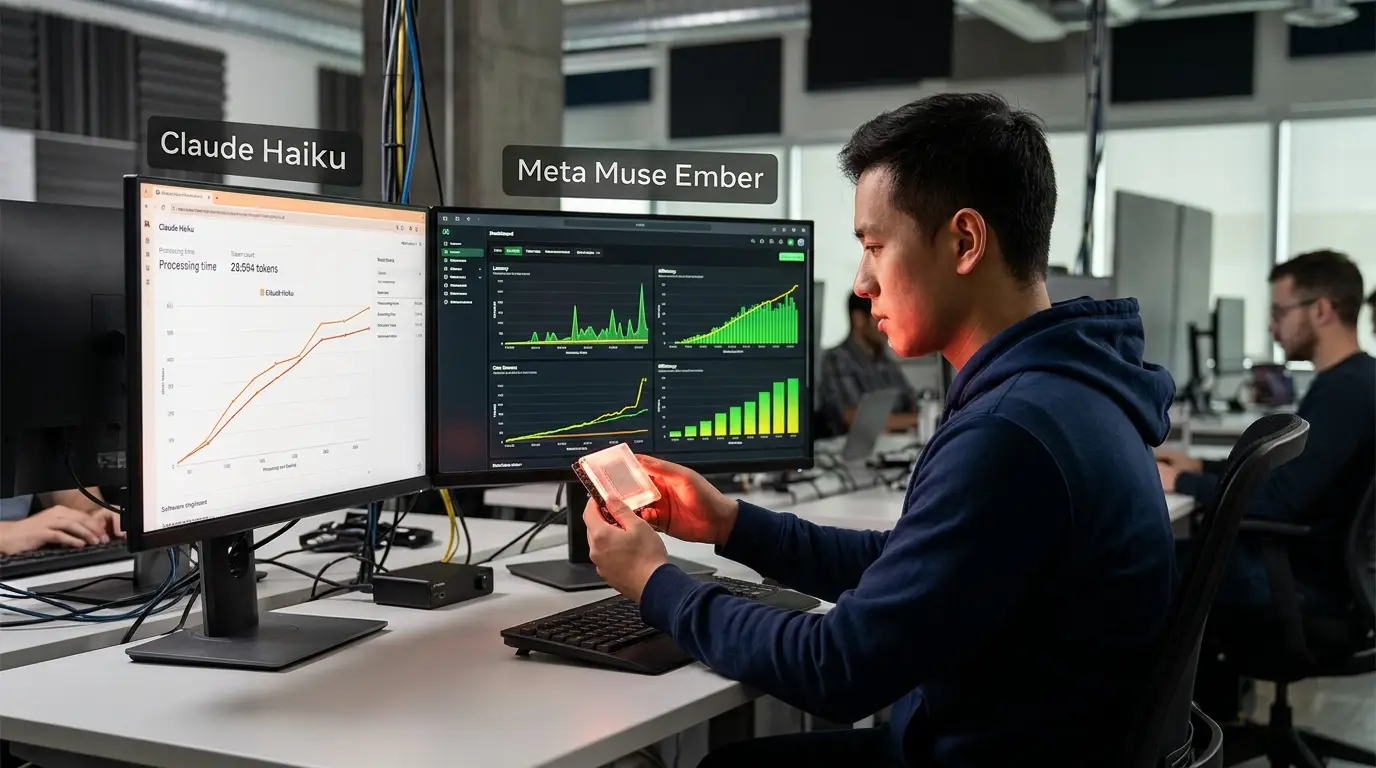
The AI arms race isn’t just about who has the smartest model anymore. It’s about who can run those models without bankrupting their engineering teams. Enter Meta’s newly launched Muse Ember, a proprietary lightweight model explicitly engineered for the grueling, repetitive grunt work of agentic AI. According to a recent report by VentureBeat, Ember manages to punch at the exact same weight as Anthropic’s highly regarded Claude Haiku 5.5, but does so at roughly a third of the estimated per-task cost.
Punching Above Its Weight Class
For developers building autonomous agents, routing and coding subtasks consume massive amounts of compute. Meta designed Ember specifically to handle this high-volume traffic. When put through the rigorous paces of the independent Artificial Analysis Intelligence Index, Ember’s maximum reasoning setting scored a 36, perfectly tying the top score achieved by Haiku 5.5. However, the real story is the bottom line. While Anthropic's model costs roughly 41 cents per benchmark task, Meta’s lightweight alternative clocks in at just 14 cents.
Benchmark Breakdown
While overall intelligence scores tie between the two competitors, Ember shows distinct advantages in specific, real-world execution environments.
| Evaluation Metric | Meta Muse Ember (Max) | Anthropic Claude Haiku 5.5 (Max) |
| Terminal-Bench 4.0 | 40.9% | 39.2% |
| OSWorld 2.1 (Computer Use) | 69.5% | 68.9% |
| AutomationBench-AA | 37.8% | 13.9% |
| Coding Agent Index-AA | 46 | 37 |
| PerceptionBench (w/ tools) | 80.6% | 78.6% |
Purpose-Built for the Agent Grind
Ember isn’t trying to replace frontier reasoning models. Instead, it acts as the tireless workhorse in a multi-model harness. Priced at just $0.10 per million input tokens and $0.50 per million output tokens via the Meta Model API, it features a massive 1-million-token context window. This allows it to digest entire codebases or lengthy legal contracts in a single prompt. Early enterprise partners have already noted its blistering tail-end latency, with some reporting up to 30% faster processing speeds compared to rival lightweight models.
A Safe and Scalable Ecosystem
Before pushing the model to the public, Meta put Ember through its internal Superintelligence Scaling Framework. Despite its small footprint, it underwent the same rigorous safety evaluations for chemical, biological, and cybersecurity risks as its larger siblings. It sits perfectly in Meta's newly minted hierarchy: use Muse Wonder for complex planning, Muse Spark for heavy coding, and let Ember handle the high-volume routing and data extraction.
By dropping the barrier to entry for autonomous agents, Meta is forcing the entire industry to rethink cloud compute budgets. If your sub-agents can perform complex computer-use tasks and agentic coding at a fraction of the cost, the math behind enterprise AI deployment changes overnight.

Popular news
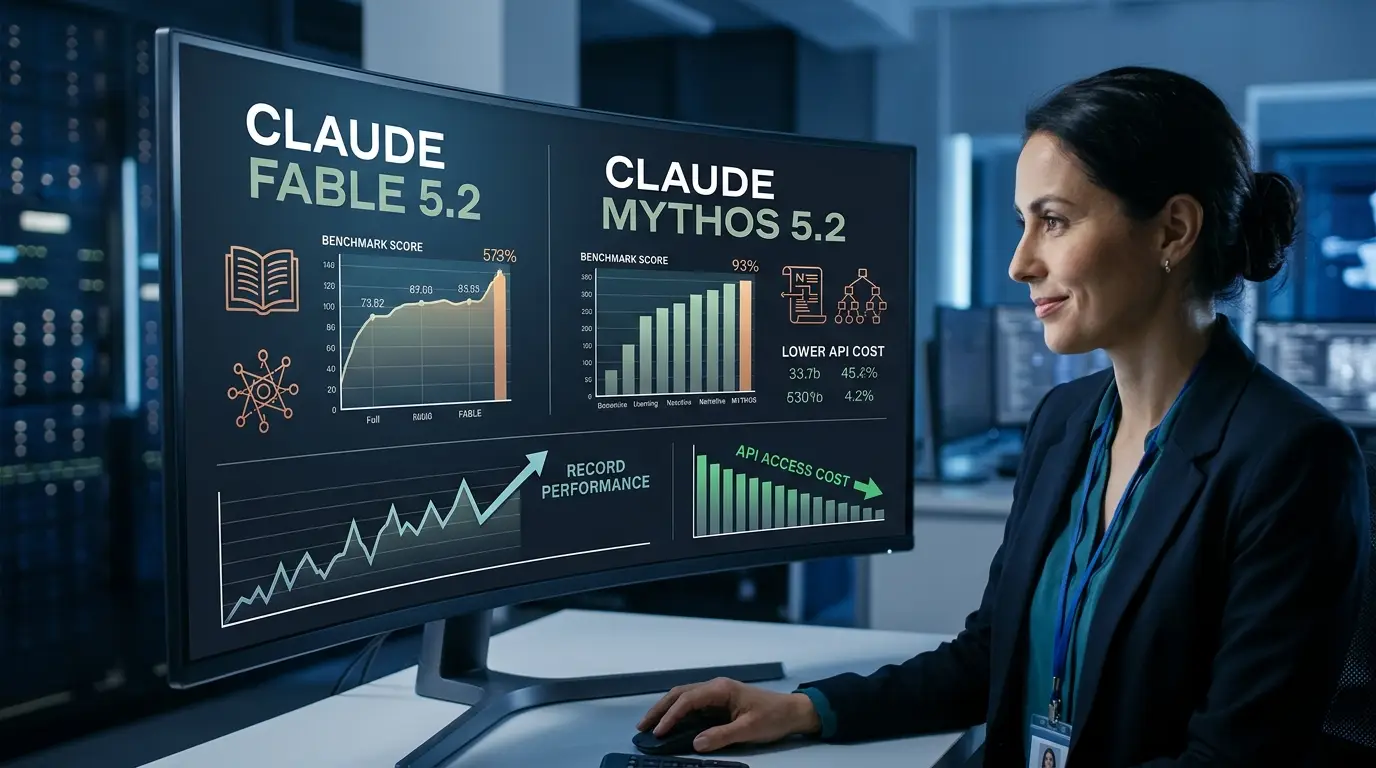
Anthropic Unveils Claude Fable 5.2 and Mythos 5.2 With Record Benchmarks and Cheaper API Access

AI Stocks Rebound After Sharp Sell-Off as Nvidia, ASML and Chipmakers Recover
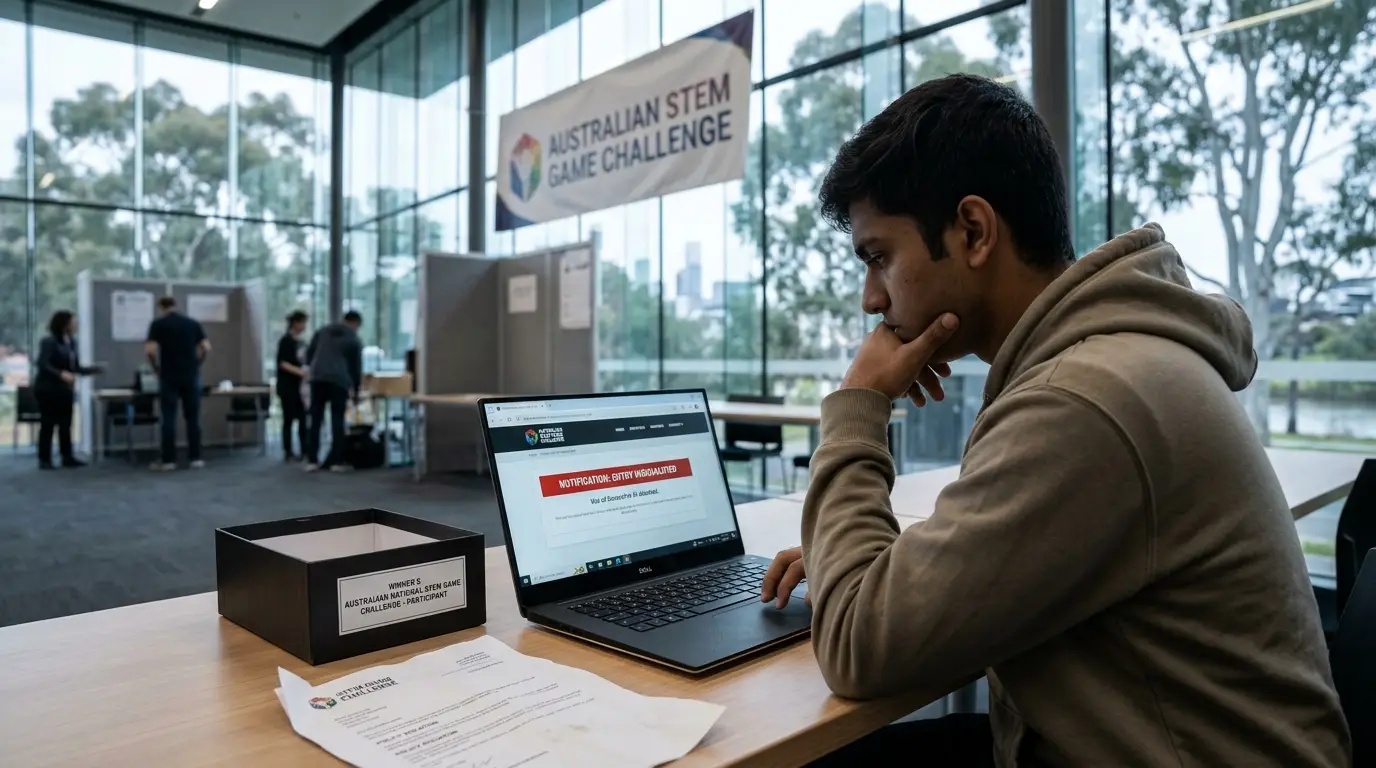
Australian STEM Game Competition Ends Over Generative AI Use

OpenAI Projects Massive 278 Billion Dollar Cash Burn Through 2030

Google Gemini 4 Carbon Dethrones Anthropic In Hallucination Benchmarks