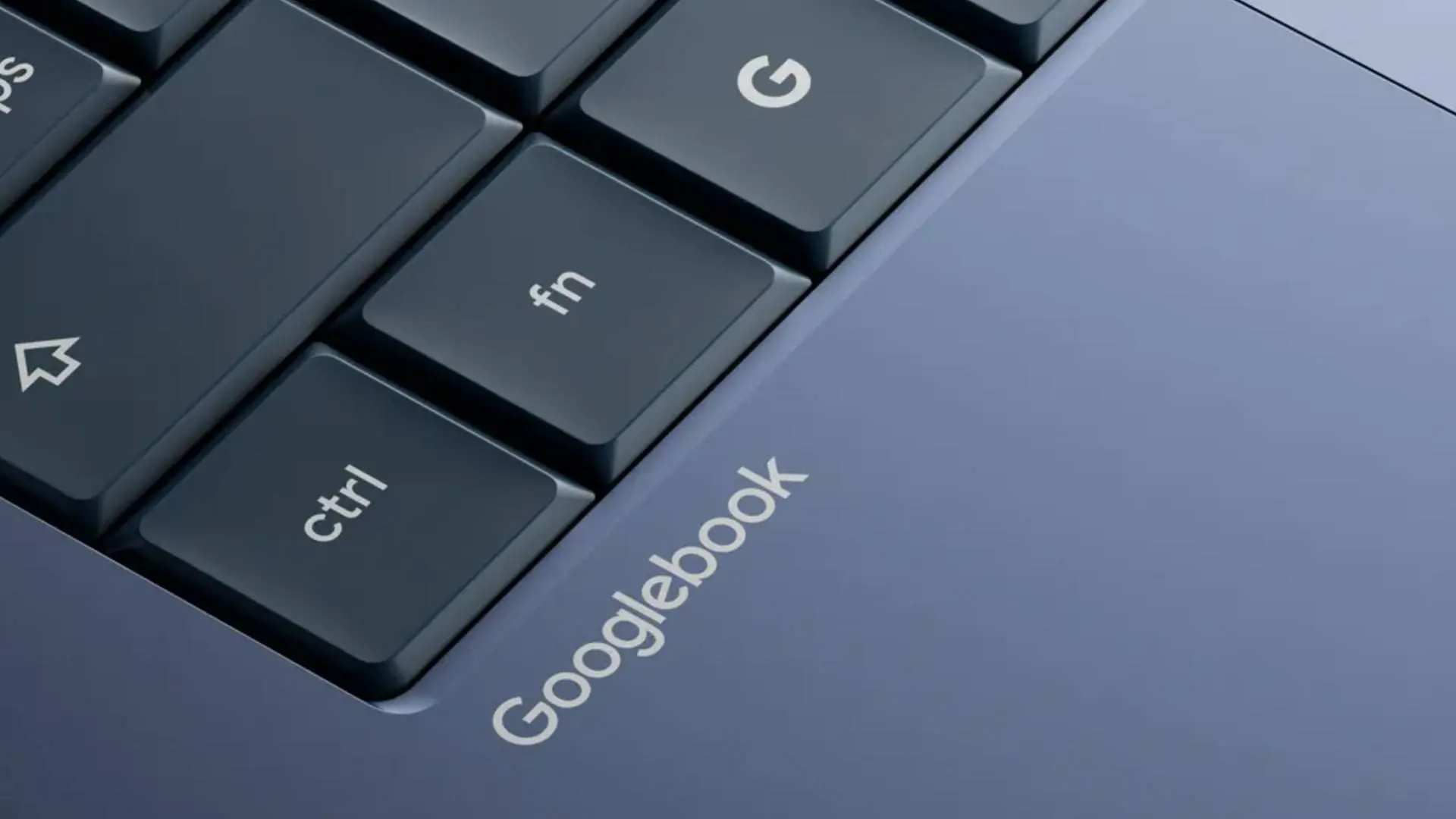
At the Android Show: I/O Edition 2026, Google officially announced Googlebook, a new category of laptops purpose-built around its Gemini AI intelligence platform. Google describes the Googlebook as a new kind of laptop designed with Gemini's helpfulness at its core, built to work seamlessly with Android phones and powered by premium hardware.
The launch of a new laptop centred around its AI tool signals a shift in the company's hardware strategy. Alex Kuscher, Senior Director of Laptops & Tablets at Google, calls it moving beyond the decade-and-a-half-old Chromebook model toward something far more AI-native.
From OS to Intelligence System
Google is not new to laptops and over 15 years ago, it redefined the category with its cloud-first Chromebook models. This time around, the company says the laptop itself needs to be rethought and the industry needs to transition from an operating system to an intelligence system.
Googlebook merges the strengths of Android, including its vast app library through Google Play and a modern OS built for intelligence, with ChromeOS's world-leading browser capabilities. The result, according to Google, is a device that doesn't just run AI, but is organised around it from the ground up.
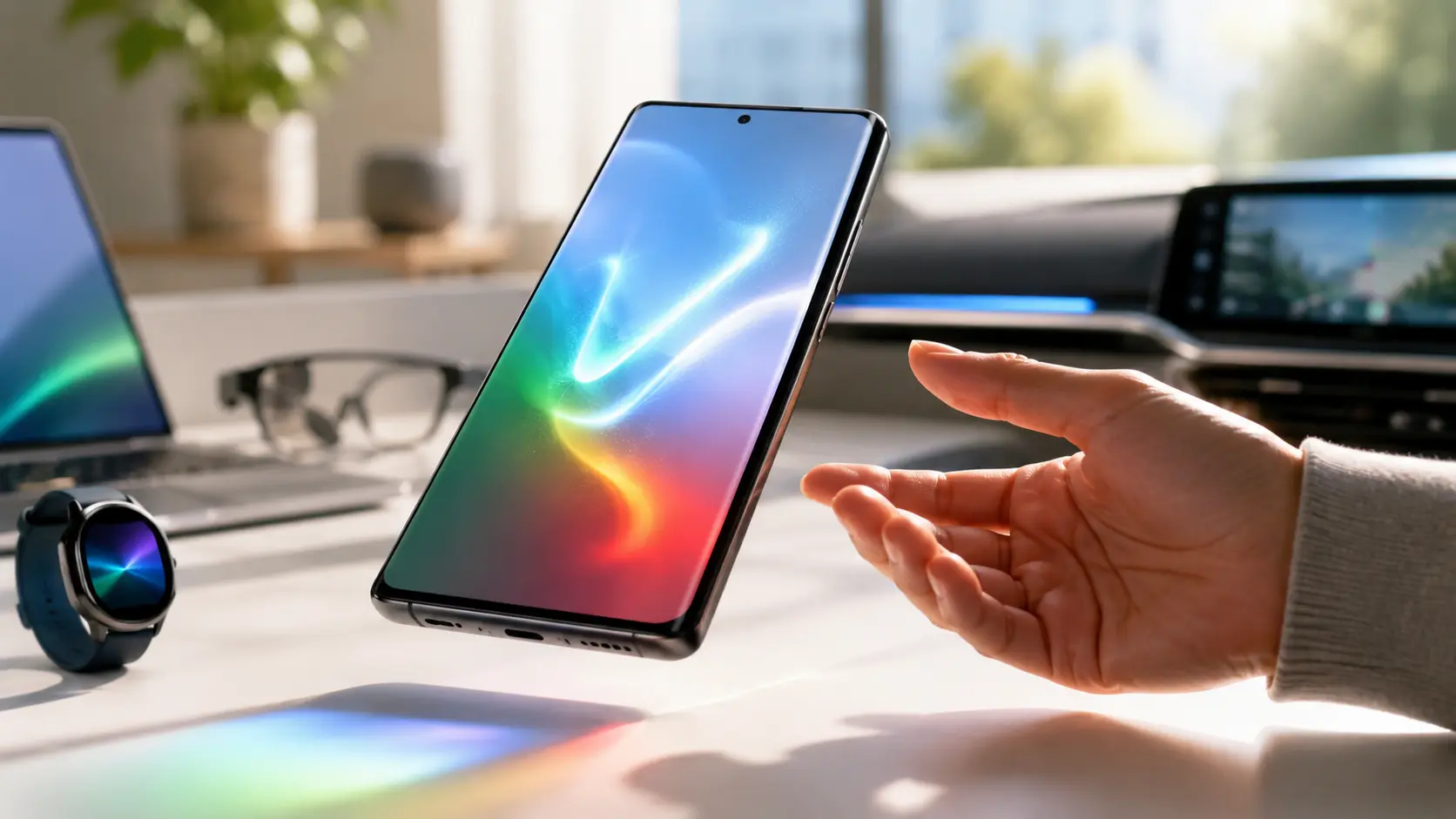
The Magic Pointer: Cursor Reimagined
The headline feature of the Googlebook, however, is not its integration with Android or ChromeOS, but a brand new experience Google calls the Magic Pointer. Developed in collaboration with the Google DeepMind team, Magic Pointer brings Gemini's capabilities directly to the cursor itself.
How does it work? A simple wiggle of the mouse activates Gemini, which then surfaces contextual suggestions based on whatever is on screen. For example, pointing at a date in an email can instantly prompt a meeting setup, while selecting two images allows users to visualise them together.
Custom Widgets Powered by Gemini
Googlebook also introduces a feature called Create your Widget, which allows users to build personalised desktop widgets simply by prompting Gemini. The AI can pull from the web or connect to Google apps like Gmail and Calendar to assemble a single, consolidated dashboard.
At the event, Google showed the example of planning a family reunion where Gemini was able to consolidate flight and hotel information, restaurant reservations, and a countdown timer into one organised desktop widget.
Deep Android Integration
Because Googlebook is built on part of the Android technology stack, it enables tighter integration between the laptop and a user's Android phone. Features include the ability to run phone apps directly on the laptop screen, yes, similar to iPhone Mirroring on Mac.
There is also Quick Access, which lets users browse, search, and insert files from their phone's storage into the laptop's file browser without any manual file transfers.
Hardware and Design Partners
Google has not revealed the complete specifications of the Googlebook yet but it is partnering with major OEMs such as Acer, ASUS, Dell, HP, and Lenovo, to manufacture the first wave of Googlebook devices.
Each machine will carry a signature design element called the glowbar, described as both a functional component and an aesthetic statement that visually identifies a device as a Googlebook. Devices are expected to become available in the fall of 2026.

Googlebook enters AI Laptop Chat
Google is not the first to toy with the AI laptop idea. Microsoft's Copilot+ PC platform, launched in 2024, established an early benchmark for AI-native computing on Windows.
To qualify as a Copilot+ PC, a device must include a dedicated Neural Processing Unit capable of executing at least 40 trillion operations per second (TOPS), along with a minimum of 16GB RAM and a 256GB SSD, running Windows 11.
The platform's signature features include Recall, which lets users locate past documents by describing them in natural language, real-time Live Captions that can translate audio from over 40 languages into English offline, and Cocreator, an AI image generation tool built into Windows.
Googlebook and Copilot+ PCs are philosophically different. Copilot+ PCs handle AI inference locally on the device rather than routing it to cloud servers, prioritising privacy and offline capability. Googlebook, on the other hand, leans into Gemini as a cloud-connected intelligence layer, one capable of tapping into the user's Google apps, phone, and the broader web to deliver contextual, personalised assistance.
It seems less about raw on-device AI compute and more about making Google's entire AI ecosystem feel native to the laptop.
Microsoft built Copilot+ as a hardware certification program applied across a wide range of Windows OEM devices. At launch, Microsoft worked with Acer, ASUS, Dell, HP, Lenovo, and Samsung to bring Copilot+ PCs to market, with pricing starting at $999. Interestingly, Google is tapping the same OEM roster for Googlebook, meaning the hardware overlap is hard to miss.
The battle between Googlebook and Copilot+ PCs will boil down to the software and AI experience layer, not the hardware, per se.
What sets Googlebook apart most distinctly is its Android-first approach to the phone-laptop relationship. While Copilot+ PCs can mirror Android phones via Microsoft's Phone Link application, Googlebook is architected so that the Android ecosystem is native and not bridged.
For users already embedded in Google's ecosystem, with Android phones and Google Workspace accounts, that distinction could prove to be a meaningful differentiator when devices arrive this fall.

Popular news

Latest comments
Loading