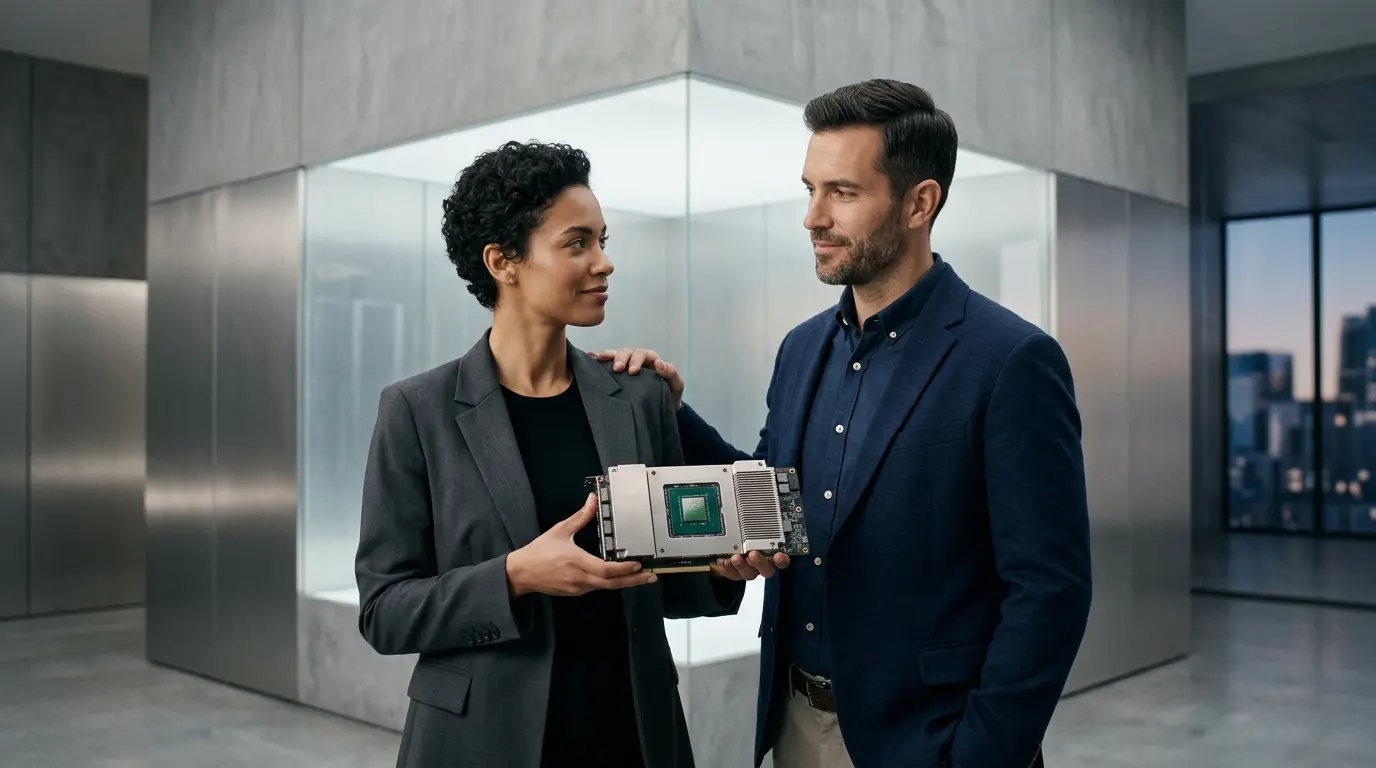
MediaTek and NVIDIA joined forces to build AI PC processors. The partnership aims to shake the Windows on Arm market and challenge long-standing leaders. These powerful chips merge MediaTek's efficiency with NVIDIA's graphics performance.
Leading manufacturers are searching for ways to improve battery life while boosting local machine learning capabilities. This collaboration provides a direct path toward achieving those goals. Experts believe this union shifts the balance of power within the global semiconductor supply chain.
Rebalancing Power in the Processor Market
MediaTek and NVIDIA teamed up to challenge the long dominance of Intel in the personal computer space. This strategic move focuses on creating advanced processors for Windows on Arm systems. These new chips combine high-performance graphics with energy-efficient mobile designs.
Current industry shifts suggest a massive transition toward artificial intelligence integrated directly into local hardware. By working together, these two tech giants intend to provide superior alternatives to traditional x86 architecture. The collaboration aims to capture a significant portion of the emerging AI PC sector.
Laptop brands seek to diversify their hardware options. According to data regarding new semiconductor partnerships, the arrival of these processors will likely force competitors to lower prices. This shift benefits consumers looking for faster machines with better efficiency.
| Key Metric | Strategic Detail |
| Primary Goal | Challenging Intel dominance in AI PC market |
| Architecture | Arm-based processor design |
| Graphics Tech | NVIDIA high-performance integration |
| Target Market | Windows on Arm laptops |
Why Arm Architecture Wins the Efficiency Race
The computer industry faces a major transformation as buyers demand longer battery life and faster processing for local AI tasks. MediaTek provides necessary expertise in mobile phone architecture. NVIDIA contributes the graphical power needed for complex computations.
Several benefits arise from this technology pairing:
- Lower power consumption compared to traditional laptops.
- Enhanced performance for generative artificial intelligence.
- Increased competition for existing leaders like Qualcomm and Intel.
- Better integration between mobile and desktop computing experiences.
Manufacturers want to reduce their reliance on a single chip supplier. This new partnership offers laptop makers more choices for their upcoming product lines. The shift toward AI-heavy workloads requires hardware designed specifically for these modern demands.
Reports from the market indicate a growing interest in Windows on Arm devices. Users want the portability of a tablet with the power of a workstation. The MediaTek and NVIDIA venture targets those specific user needs directly.

byDavid Porter
Latest comments
Loading