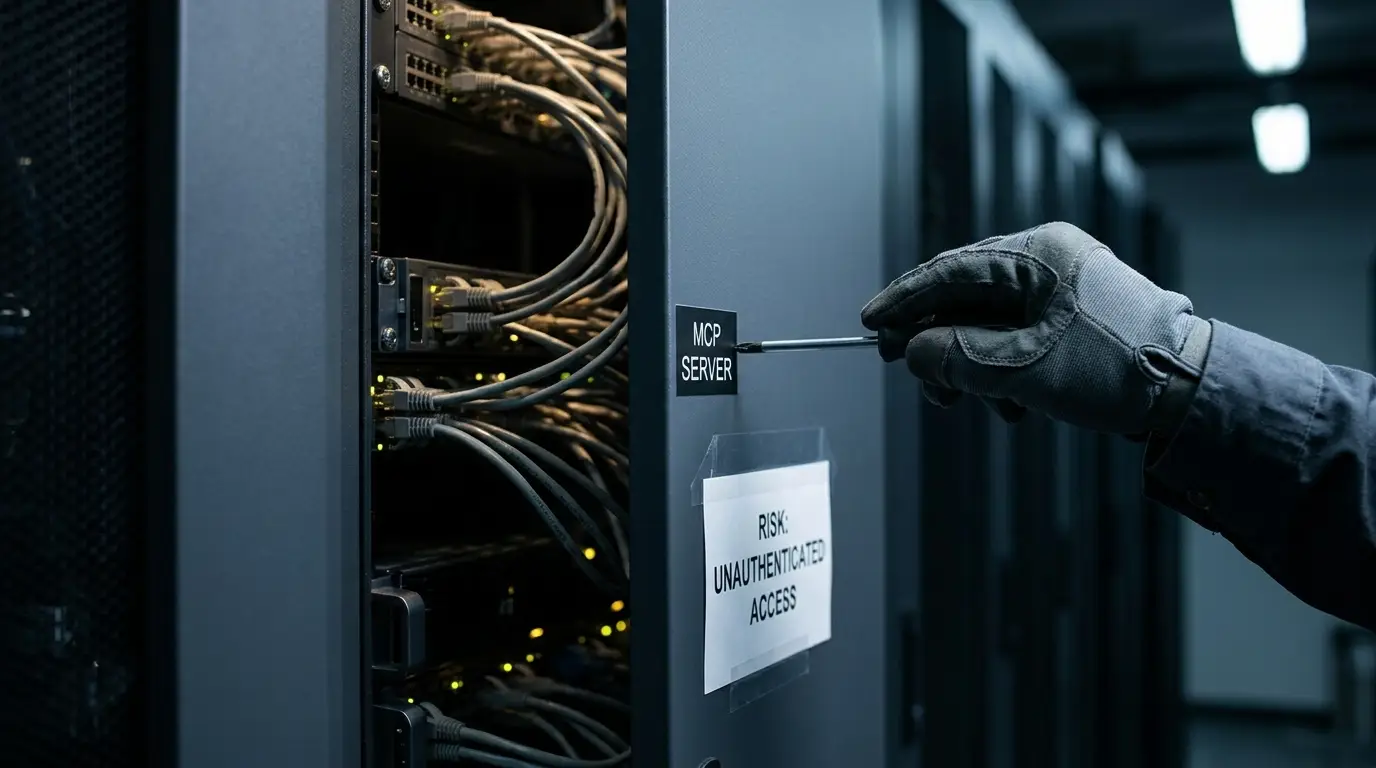
The rapid adoption of the Model Context Protocol (MCP) has revolutionized how large language models interact with external data sources.
However, a recent demonstration involving a tool called Clawdbot has highlighted a dangerous oversight in this ecosystem. Many MCP servers are currently shipping without any form of authentication, leaving sensitive internal systems vulnerable to unauthorized access.
This security gap allows any connected AI agent to potentially read or write data without verifying its identity. The Clawdbot proof of concept illustrates how easily these unprotected endpoints can be exploited. As organizations rush to integrate AI into their daily workflows, the lack of basic security hygiene in foundational protocols creates significant risk for enterprise data integrity.
The Danger of Open Endpoints
MCP was designed to simplify connections between AI models and local or remote resources. While this ease of use accelerates development, it often comes at the cost of security. Without mandatory authentication layers, an MCP server acts as an open door. Malicious actors or compromised applications could leverage these connections to exfiltrate proprietary information or manipulate system states.
| Security Vulnerability Aspect | Impact on Enterprise Systems |
| Lack of Identity Verification | Any client can access exposed data streams without credentials |
| Unrestricted Data Access | Sensitive internal databases become reachable by unauthorized AI agents |
| Potential for Data Manipulation | Write capabilities allow external tools to alter critical system configurations |
| Absence of Audit Trails | Difficulty in tracking which specific AI model or user initiated a request |
Establishing Robust Authentication Standards
To mitigate these risks, developers must prioritize implementing strong authentication mechanisms for all MCP servers. This includes using API keys, OAuth tokens, or mutual TLS certificates to verify the identity of connecting clients. The official MCP documentation provides guidelines for secure implementation, but widespread adherence remains inconsistent.
Security experts emphasize that convenience should never supersede protection when handling corporate data. As the AI landscape matures, the industry must move toward standardized security practices that ensure every connection is verified and every data exchange is monitored. The lessons learned from the Clawdbot demonstration serve as a critical warning for developers building the next generation of AI-integrated tools.

byDavid Porter
Popular news

Akamai launches Agent Sandbox to limit what AI code can do

More FPS with AI and DLSS Doesn’t Automatically Mean a More Responsive Game

OpenAI Launches GPT 6.1 Terra for Faster AI Agents at Half the Price

Anthropic Is Going Public: What Claude’s Numbers Reveal

Anthropic's IPO Filing Reveals $16.3 Billion in Revenue and the Cost of Growth

Microsoft Restructures Workforce with Voluntary Buyouts Amid AI Expansion
Latest comments
Loading