Tags: Autonomous Vehicles, Uber, London Tech, Wayve, Transport
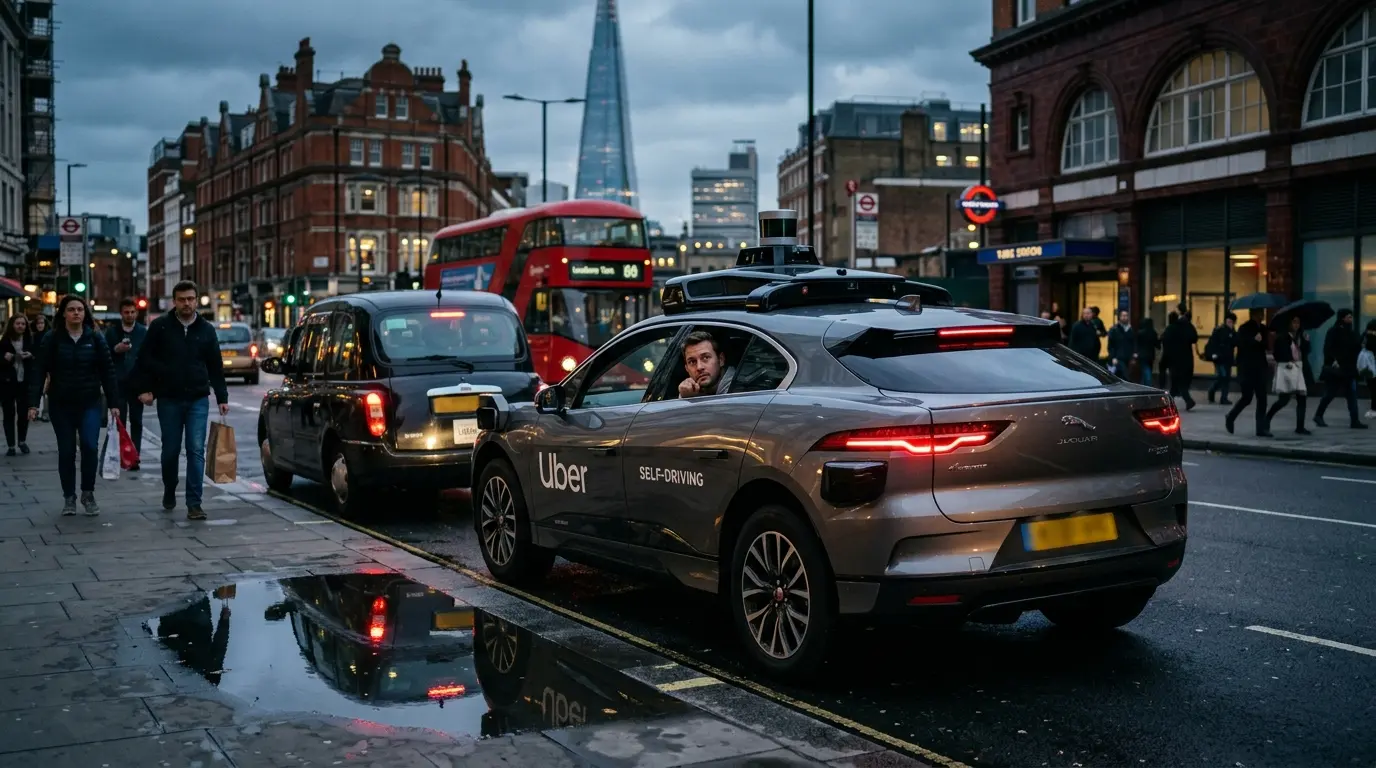
London residents will wait longer for autonomous transport. Uber and Wayve paused plans to deploy robotaxis across the capital. Safety officials demanded more rigorous data before allowing these vehicles near pedestrians. This decision halts progress for the anticipated autonomous fleet.
The partnership aimed to put hundreds of self-driving cars on London roads by 2026. Regulatory hurdles forced a total stop to the project timeline. Authorities cite concerns regarding complex intersection management and unpredictable pedestrian behavior.
Safety protocols stall urban mobility
Rigid safety standards represent a significant barrier for autonomous startups. London officials refuse to compromise on public safety despite pressure from tech giants. The delay ensures thorough testing occurs before any commercial launch.
Autonomous software struggles with London’s narrow streets and heavy bus traffic. Wayve’s AI requires more time to learn the specific nuances of British driving culture. Uber needs absolute certainty before placing passengers in driverless vehicles.
- The official delay affects thousands of planned trips across the city center.
- Transport for London insists on higher safety benchmarks for self-driving technology.
- Wayve engineers must refine the software to handle rain and low visibility.
- Safety regulators demand transparency regarding recent testing failures.
Investors closely monitor these delays as costs for development rise. Uber and Wayve face pressure to deliver results while meeting government demands. This shift forces a recalculation of projected earnings for the autonomous division.
The financial impact of the pause
Competitors watch the situation closely to avoid similar pitfalls. Reliable data suggests a long road ahead for fully autonomous ride-sharing. The city remains committed to innovation but places human safety above technological speed.
Wayve focuses on refining vision-based AI to navigate tricky roundabouts. Uber looks for alternative ways to integrate the technology into the existing app. Both companies remain optimistic about a future launch despite the current setbacks.
| Category | Details |
| Primary Entities | Uber and Wayve |
| Core Conflict | Safety and Regulatory Oversight |
| Geographic Focus | London, UK |
| Current Status | Delayed Indefinitely |
| Main Hurdle | Urban traffic complexity |
Government leaders want London to lead in tech but worry about accidents. High-profile incidents in other countries caused a cautious approach in the UK. This pause allows for a more stable and secure introduction later.
Public trust remains a priority for everyone involved in the project. Surveys show residents feel uneasy about sharing roads with computer-driven cars. Proving the technology works flawlessly is the only way to gain widespread acceptance.
Engineers focus on how sensors interpret heavy rain and London fog. These weather conditions often lead to system errors in earlier models. Improved cameras and lidar units help, but software logic requires additional refinement.
Local businesses expected autonomous delivery options to launch alongside passenger services. These plans also face delays as part of the broader regulatory freeze. Logistics companies now look for alternative ways to modernize their fleets.
Recent reports from industry analysts suggest a multi-year wait for full deployment. The delay affects jobs and local infrastructure plans designed for autonomous hubs. City planners must now adjust their long-term goals for urban mobility.
Safety groups praise the cautious approach by London regulators. These organizations worry about the lack of human intuition in AI systems. A single mistake on a busy street results in catastrophic consequences for the industry.

byDavid Porter


Loading