
Alphabet’s primary research division dropped two major architectural updates this week, targeting both physical automation and computational biology. According to initial industry coverage by SiliconAngle, the latest releases push vision-language-action frameworks into unstructured industrial spaces while simultaneously decoding complex cellular mechanics. These parallel advancements signal a concerted effort to bridge the gap between digital reasoning and physical execution.
Physical Intelligence Enters Unstructured Environments
The Gemini Robotics 2.5 update shifts focus from sterile laboratory demonstrations to dynamic factory floors and logistics hubs. Powered by the underlying reasoning capabilities of the Argon frontier model, the new architecture allows humanoid platforms to handle delicate, flexible objects using everyday tools without constant manual recalibration. Engineers at hardware partners like Apptronik have already integrated the upgraded vision-language-action framework into their Apollo bipedal units for real-world testing.
During pilot manufacturing runs alongside human workers, the upgraded systems successfully manipulated automotive components with near-perfect reliability. The architecture drastically reduces the time required to teach novel manipulation skills, moving physical AI away from rigid, pre-programmed motion paths toward adaptable spatial reasoning. Supply chain analysts note that reducing physical training cycles from weeks to mere days will dramatically lower the barrier to entry for mid-sized manufacturing firms looking to automate hazardous assembly line tasks.
| Hardware Integration Metric | Legacy Vision-Language-Action | Upgraded Physical Architecture | Delta |
| Sensor Fusion Latency | 42 milliseconds | 18 milliseconds | -57.1% |
| Actuator Polling Rate | 100 Hz | 500 Hz | +400.0% |
| Object Mass Estimation Error | 14.2% | 3.8% | -73.2% |
| Multi-Robot Synchronization Delay | 120 milliseconds | 22 milliseconds | -81.6% |
| Edge Compute Power Draw | 310 Watts | 185 Watts | -40.3% |
Mapping Epigenetic Complexity at Single Cell Resolution
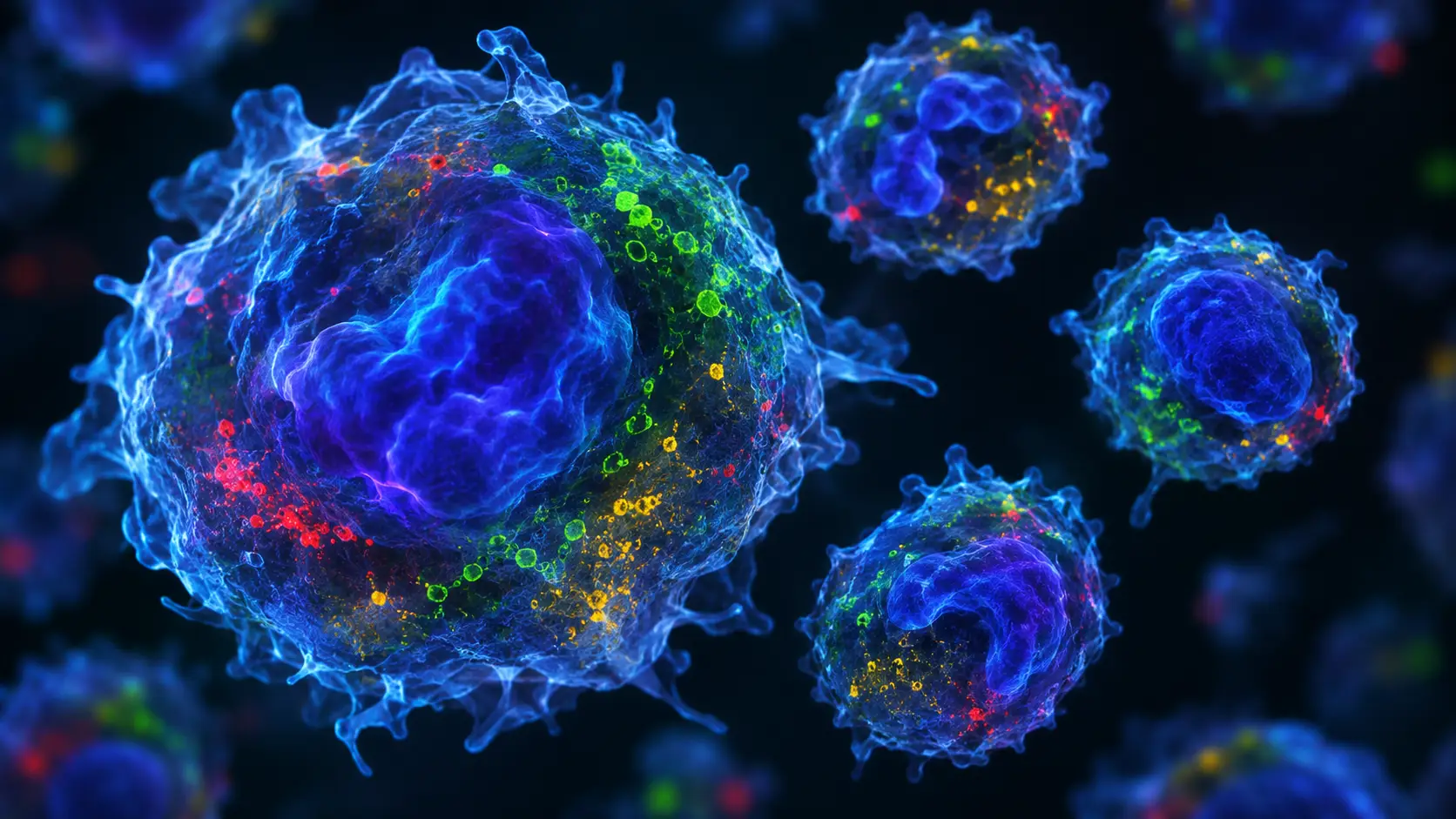
On the biological front, researchers unveiled AlphaGenome 2, a predictive model designed to map how genetic variations influence specific cellular states. Unlike previous iterations that averaged out genetic expression across bulk tissue samples, this framework leverages mapping data from the Human Cell Atlas to isolate behavior at the individual cell level.
This precision allows biotechnology firms to pinpoint exactly which epigenetic markers trigger disease pathways in highly specific immune or muscle cells. By predicting transcriptomic and chromatin accessibility readouts directly from raw sequences, pharmaceutical developers can prioritize drug targets without waiting months for physical laboratory assays. The system currently operates strictly as a research tool rather than a clinical diagnostic instrument, but its ability to adapt to newly profiled cellular states without requiring complete retraining marks a significant leap in computational genomics.
Both frameworks are actively rolling out to enterprise partners and academic consortiums starting today, fundamentally altering the research and development timelines for both hardware manufacturers and life science startups. Industry observers expect these dual releases to trigger a wave of secondary commercial applications before the end of the fiscal year.

Popular news

EU Leaders Meet in Dublin to Decide Who Pays for Europe’s AI Computing Power
Google DeepMind’s AlphaGenome 2 predicts what DNA variants do in specific cells

Anthropic Bankers Push IPO Pricing Above Initial Range to Reach 1.5 Trillion Valuation

Fans Mistake New GTA 6 Footage For AI Generation

US Data Brokers Supply Half Billion Dollars In AI Training Environments To Chinese Labs