Binance Confirms Record Six Point Three Billion Dollar Crypto Theft Attributed to North Korean Hackers
News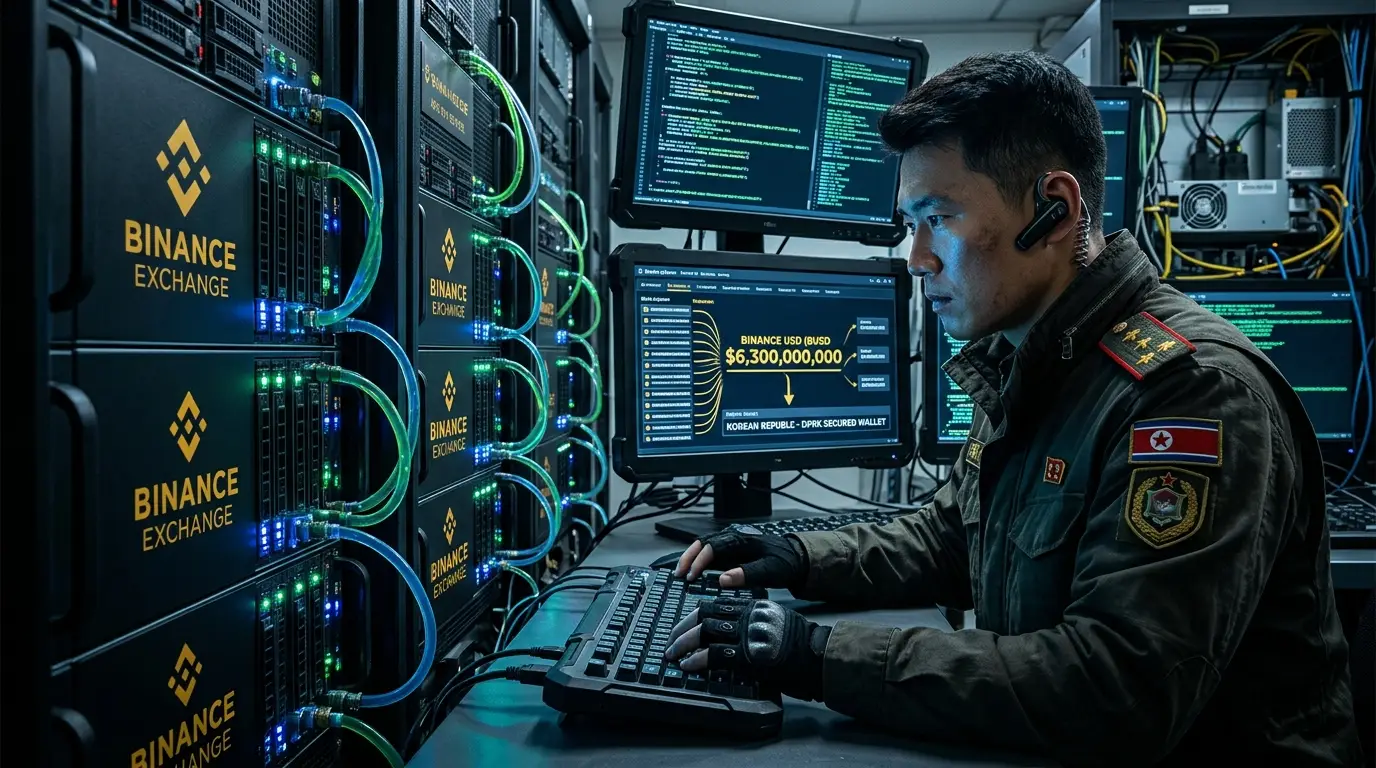
Cryptocurrency exchange Binance is managing the aftermath of an unprecedented security breach resulting in an estimated 6.3 billion dollar loss. The incident stands as the largest digital asset theft in recorded history. Binance immediately suspended customer withdrawals to conduct a comprehensive security revamp while maintaining normal deposit operations.
According to an initial report by Engadget, the scale of this theft easily eclipses previous industry records. The report highlighted how the breach unfolded in roughly 20 minutes, draining billions in digital assets before security protocols could intervene. This rapid execution underscores the critical vulnerabilities present in centralized exchange hot wallet infrastructures.
Initial investigations indicate the breach originated from a compromised DevOps engineer laptop. Attackers leveraged this access to infiltrate a service container and authorize unauthorized withdrawal transactions across multiple blockchains. Binance officials later described the event as a complex attack involving multiple breach points and self destruct mechanisms designed to erase forensic traces. The company confirmed no wallet private keys were leaked during the incident.
To protect its user base, Binance pledged to cover all financial losses. The exchange will utilize its corporate reserves alongside the Secure Asset Fund for Users. The SAFU emergency fund was explicitly designed to protect customer assets during extreme security events. Co CEO Richard Teng reassured the public that user assets remain entirely safe and separate from the affected hot wallets. Binance has already reserved over 6.34 billion dollars in company funds to make users whole.
Industry Wide Asset Freezes
The broader crypto industry responded rapidly to contain the financial damage. Major stablecoin issuers collaborated with law enforcement to halt the movement of stolen funds. Tether successfully froze over 1.56 billion dollars in USDT tokens linked to the malicious addresses. Similarly, Circle froze more than 800 million dollars in USDC. These coordinated efforts successfully locked down nearly half of the stolen value on chain before attackers could launder the assets through decentralized exchanges.
| Asset Issuer | Frozen Amount | Token Type | Action Taken |
| Tether | 1.56 Billion USD | USDT | On chain freeze of malicious wallets |
| Circle | 800 Million USD | USDC | Coordination with federal law enforcement |
| Ripple | 200 Million USD | RLUSD | Halted movement of linked funds |
| Arbitrum | 74.6 Million USD | ARB and ETH | Paused suspicious bridge transactions |
Attribution and Market Impact
Blockchain intelligence firms quickly analyzed the transaction patterns to identify the perpetrators. Researchers at TRM Labs attributed the attack with high confidence to TraderTraitor. This elite North Korean hacking unit previously executed the 1.5 billion dollar Bybit exchange breach in 2025. The sophisticated laundering patterns suggest state sponsored actors aiming to fund illicit weapons programs. Chainalysis also noted similar wallet flows, reinforcing the conclusion that a highly organized syndicate orchestrated the heist.
The news triggered immediate volatility across digital asset markets. Bitcoin prices dropped approximately five percent to the 77,000 dollar range. Ethereum and Binance native BNB tokens also experienced notable declines as traders reacted to the unprecedented scale of the breach. Despite the market shock, financial analysts emphasize this is not a solvency event for the exchange. Binance holds substantial proof of reserves and maintains deep liquidity pools. The exchange expects to resume withdrawal services shortly after completing its infrastructure security review and publishing an updated proof of reserves report to restore full community trust.

Popular news

Binance Probes Suspected Billion-Dollar Hack as AI Could Accelerate Cyberattacks

Dutch Chip Equipment Maker ASM Expects to Hit Revenue Target Three Years Early

PsiQuantum Unveils Optical Circuit Switch for AI Data Centers

AI Stocks Tumble: Intel and Reddit Lose Around 30%

Cisco Engineer Rewrites Legacy Code With Unlimited AI Tokens

GitHub Copilot Fusion Cuts Coding Costs Through Intelligent Model Orchestration
Latest comments
Loading