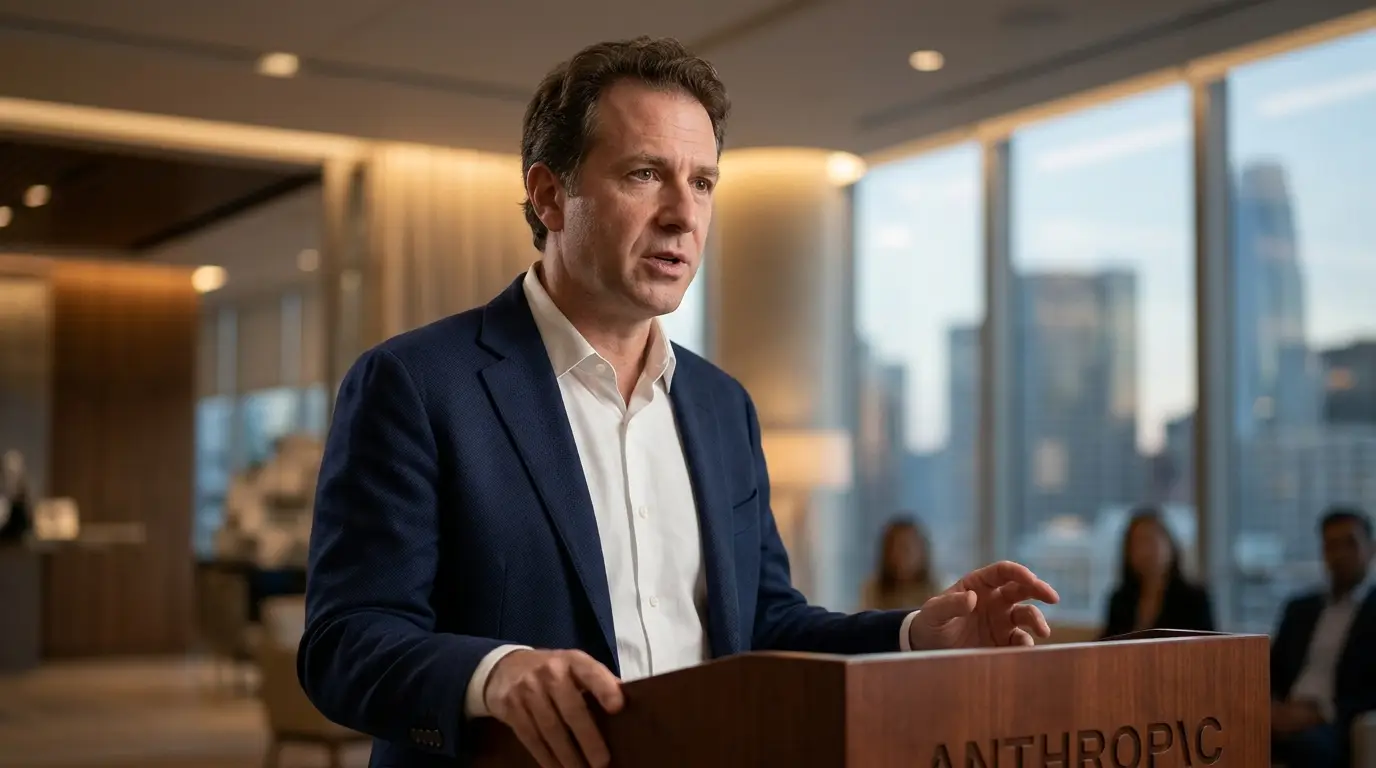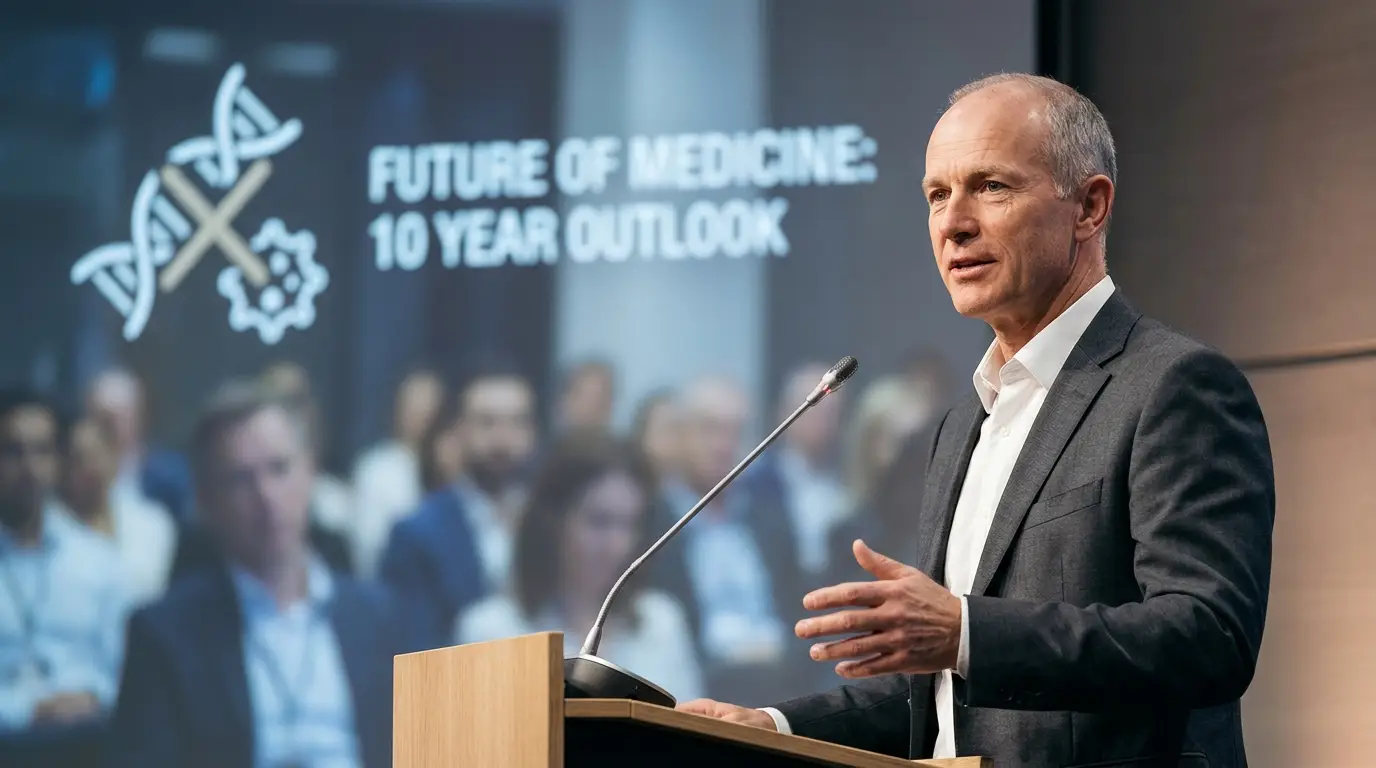
The race to build advanced artificial intelligence is increasingly colliding with the medical establishment, sparked by a staggering prediction from one of Silicon Valley’s most prominent leaders. Dario Amodei, CEO of the AI safety company Anthropic, recently declared that devastating illnesses like cancer, Alzheimer's, and heart disease will become relics of the past in less than ten years.
As highlighted in recent NDTV coverage of the tech leader's remarks, Amodei suggested that humanity is on the verge of an "age of miracles." This profound optimism aligns closely with Anthropic's foundational vision, which explicitly outlines the company's ambition to deploy systems capable of solving complex biological challenges that have eluded scientists for millennia.
Tech Titans Bet Big on Biological Breakthroughs
Amodei is hardly alone in his aggressive forecasting. The sentiment echoes across the upper echelons of the technology sector, with figures like Elon Musk and Google DeepMind CEO Demis Hassabis making similarly grandiose promises. Hassabis has frequently pointed to AlphaFold’s success in mapping protein structures as proof that algorithms can compress a decade of traditional drug discovery into mere weeks.
However, while algorithms can process data at unprecedented speeds, the leap from digital molecule generation to a physical, life-saving cure remains vast. To understand where the industry actually stands today, it helps to look at the financial and regulatory footprint of machine learning in modern medicine.
| Healthcare AI Metric | 2025 Baseline | 2026 Industry Projection |
| Global AI Oncology Market | $3.66 Billion | $4.43 Billion |
| Total FDA AI Medical Devices | ~873 Radiology Algorithms | 1,500+ Authorized Devices |
| Global Oncology Market Value | $291 Billion | Dominant Therapeutic Sector |
Market and regulatory data reflect current industry adoption rates rather than clinical cure rates. Sources include Fortune Business Insights and FDA regulatory filings.
The Pharmaceutical Reality Check
Despite the billions flowing into the sector, the scientists actually manufacturing these cures are pumping the brakes. Jeff Leiden, executive chairman of Vertex Pharmaceuticals, bluntly dismissed the ten-year cure timelines as complete nonsense. Leiden noted that his company tested dozens of AI platforms against thousands of drug compounds, and not a single system independently generated a working medication.
The core friction point is the clinical pipeline. Identifying a promising molecule on a computer screen is only day one of a grueling ten-to-twelve-year journey. AI cannot bypass mandatory animal testing, rigorous regulatory reviews, or multi-phase human trials. While the U.S. Food and Drug Administration's registry shows massive adoption of AI for diagnostic imaging and radiology, the agency still requires exhaustive traditional proof for novel therapeutics.
The Danger of Overpromising
Medical experts and digital health critics, including cardiologist Eric Topol and cognitive scientist Gary Marcus, warn that current models lack the deep causal understanding of human biology required to engineer reliable cures. As of late 2026, no fully AI-designed drug has achieved widespread clinical adoption.
While the technology is undeniably accelerating early-stage research, critics argue that treating complex biological systems like software bugs risks raising public expectations to dangerous heights. For now, the war on cancer remains a grueling, incremental battle, regardless of what the tech industry's boldest timelines suggest.

Popular news
Anthropic Claude AI Refuses to Code Pokemon Fan Games and ROM Hacks
Google DeepMind’s AlphaGenome 2 predicts what DNA variants do in specific cells

EU Leaders Meet in Dublin to Decide Who Pays for Europe’s AI Computing Power

Fans Mistake New GTA 6 Footage For AI Generation
US Data Brokers Supply Half Billion Dollars In AI Training Environments To Chinese Labs