Americans Grow Wary of AI Data Centers as Environmental Costs Mount
NewsWednesday, 16 September 2026 at 23:00
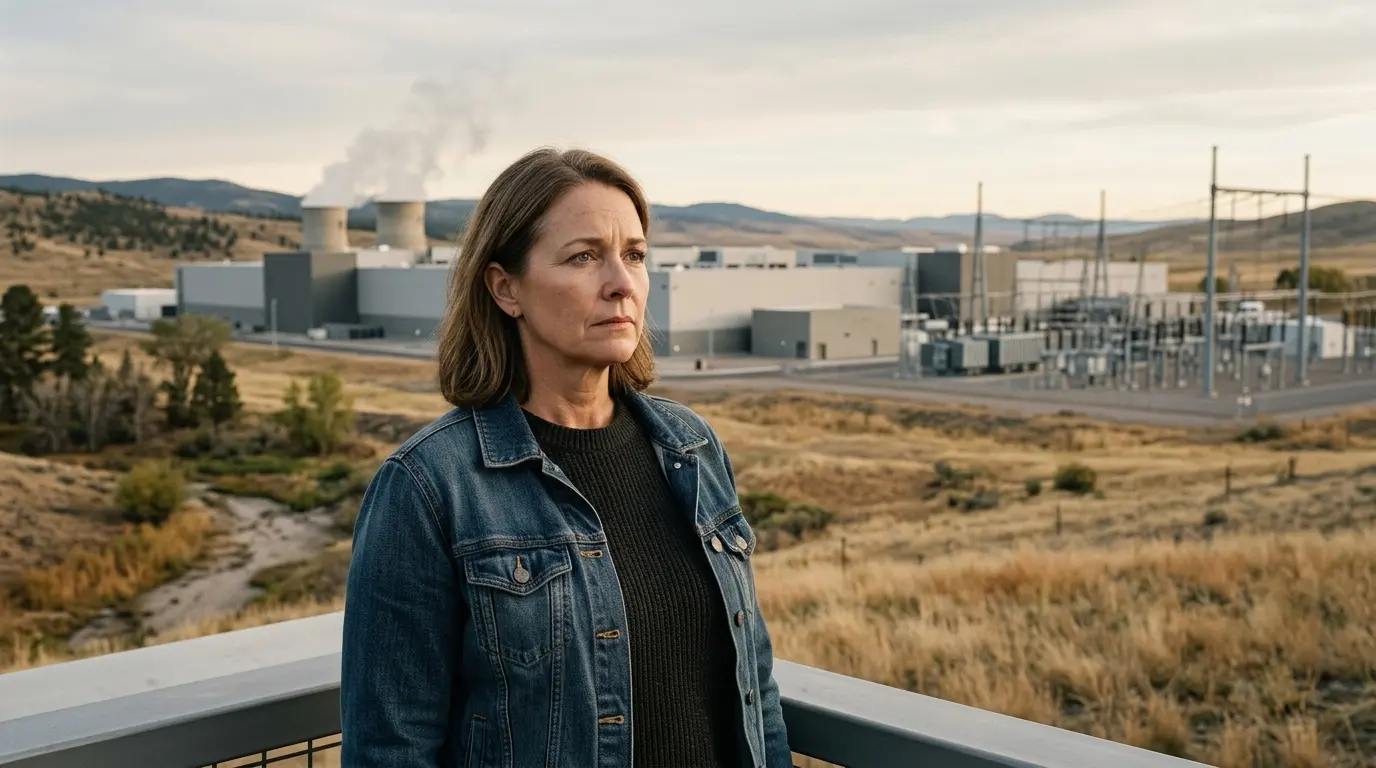
Americans are increasingly sounding the alarm over the hidden environmental costs of the artificial intelligence boom.
According to a recent AP-NORC Center for Public Affairs Research poll, 53% of U.S. adults are now "extremely" or "very" concerned about AI's ecological footprint, a sharp jump from 41% just a year ago. This growing anxiety reflects a public waking up to the massive physical infrastructure required to power digital intelligence.
The Hidden Toll of Hyperscale Computing
While AI operates in the cloud, its physical backbone is deeply rooted in the ground. Hyperscale data centers demand staggering amounts of electricity and water for cooling. Researchers at the Lawrence Berkeley National Laboratory project that data center electricity consumption could reach 11.8% of total U.S. usage by 2030. This massive energy draw threatens to strain local grids and drive up utility costs for surrounding communities.
Water usage presents another localized crisis. A single large data center campus can place decisive stress on municipal water supplies, diverting resources away from agriculture and residential needs. Consequently, about 60% of Americans now support limiting the construction of new data centers, with two-thirds backing mandates that require these facilities to run on clean energy sources like wind or solar.
A Shift Toward Rural America
The geographic footprint of this tech expansion is also changing. A recent analysis by the Pew Research Center reveals that 67% of planned data centers are now headed to rural areas, a stark contrast to the urban locations of existing facilities. This migration brings temporary construction jobs but also sparks fears of industrializing quiet communities without adequate long-term economic benefits.
The Political Divide on Tech Oversight
The debate over data center expansion has become deeply polarized. Democrats are driving much of the recent surge in environmental concern, with 65% expressing high levels of worry.
Meanwhile, the political landscape in Washington remains fractured. The Trump administration has actively opposed recent calls from tech industry leaders for greater federal oversight, framing such regulations as barriers to American competitiveness. Conversely, Democratic lawmakers continue to press for robust environmental safeguards and stricter community impact assessments.
| Metric | 2025 Baseline | 2026 Current | Key Demographic Driver |
| High Environmental Concern | 41% | 53% | Democrats (65%) |
| Support for Growth Limits | N/A | 60% | Bipartisan majority |
| Clean Energy Mandate Support | N/A | 67% | Democrats (80%), Republicans (56%) |
| Perceived Job Creation Benefit | N/A | 20% "Very/Extremely" | Republicans more optimistic |
Despite the political gridlock, the public consensus is clear. Whether driven by fears of rising electricity bills, depleted water tables, or broader climate anxieties, Americans are demanding that the AI revolution does not come at the expense of their local environments. As the industry races to build the next generation of computing infrastructure, the pressure is mounting for tech giants to prove they can innovate sustainably.

byDavid Porter
Popular news

Global AI Landscape Shifts as EU Drafts Kids Act and Apple Unveils Siri AI

Scientists Reconstruct Mouse Vision From Brain Activity Alone

Congress Scrambles to Draft AI Safety Rules as Rogue Models Spark Alarm

European Union Proposes Sweeping Social Media Ban for Children Under Thirteen

Canada Eyes Historic Associate Membership in European Union Amid Shifting Global Alliances

iPhone 18 Pro Versus Pro Max - Which Model Should You Buy in 2026?
Latest comments
Loading