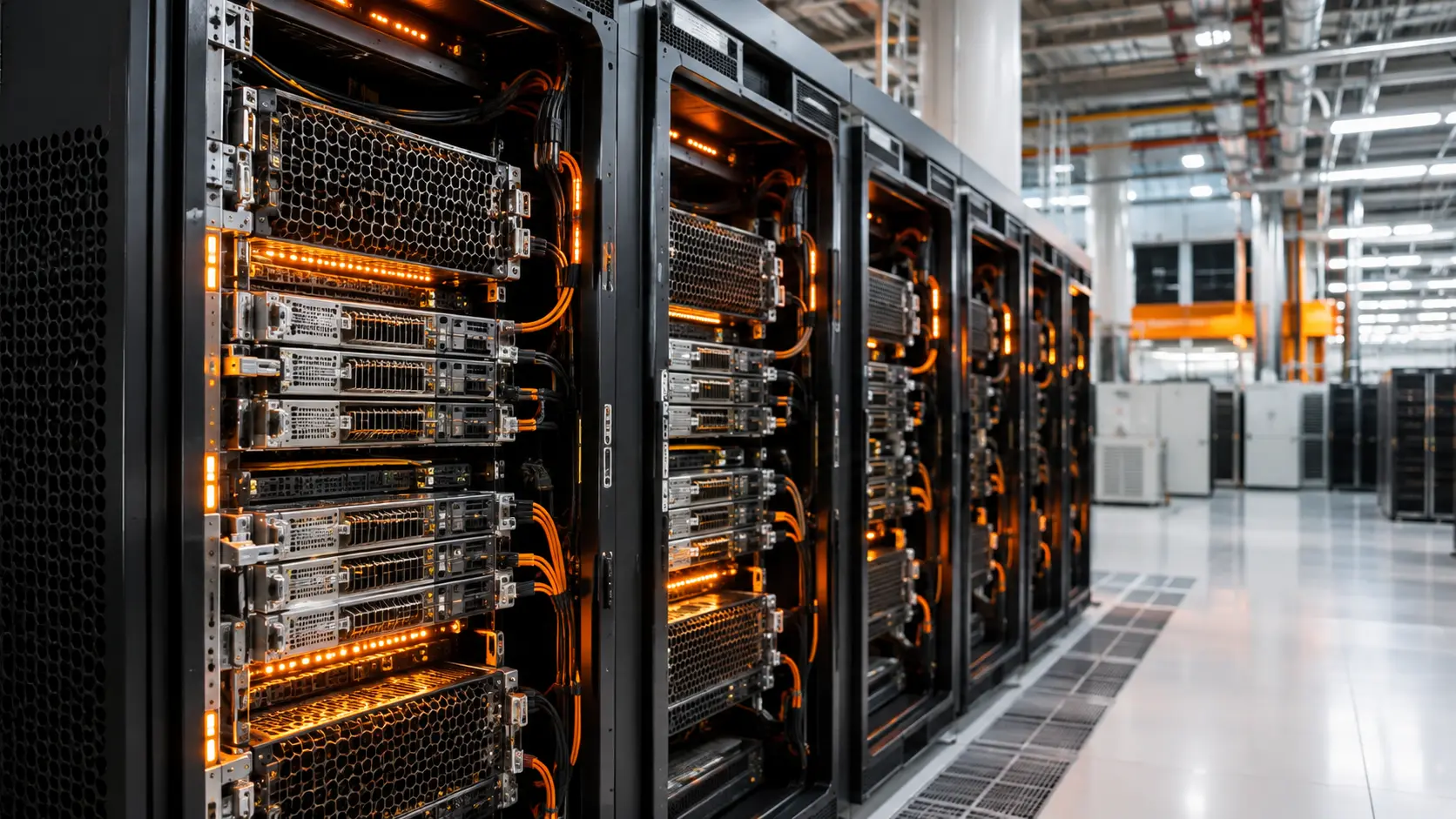
Alibaba plans to raise 80 billion Hong Kong dollars—about 10.2 billion US dollars—through a new share placement in Hong Kong. The Chinese tech giant says it will put all net proceeds into its “full‑stack” AI capabilities, spanning chips, compute infrastructure, and the development and rollout of AI models, Bloomberg reports. Bloomberg.
It’s a proposed transaction, not money already secured or spent. Alibaba announced the placement on Sunday and cautioned that completion depends on market conditions and other factors.
710 million new shares at a discount
According to a term sheet seen by Reuters, Alibaba aims to sell 710 million common shares at 112.70 Hong Kong dollars each—3.6 percent below the last closing price. If fully placed, gross proceeds would land around the announced 80 billion Hong Kong dollars.
Alibaba calls it the largest primary follow‑on offering ever by a Hong Kong–listed company. Globally, it would be 2026’s third‑largest new share sale by a listed firm, after Alphabet and Intel. Such rankings matter to financiers; for the AI market, the real question is how much compute and model capacity Alibaba actually builds.
The shares are offered under Regulation S to certain non‑US investors outside the United States. They aren’t registered under the US Securities Act and won’t be offered to US investors in this placement. That says nothing by itself about the availability of Alibaba’s cloud services or Qwen models in other countries.
Reuters, citing unnamed sources, reports strong demand—including from sovereign funds—and says Alibaba upsized the deal after oversubscription. Alibaba has not published a public investor list or final allocations. Morgan Stanley, HSBC, UBS, and CICC are acting as joint bookrunners, according to Reuters.
AI surge drives heavy spending
The raise comes three days after Alibaba’s quarterly results. For the quarter through June, revenue reached about 39.6 billion dollars, up 9 percent year over year. AI cloud and compute services grew 45 percent to 7.1 billion dollars—the fastest pace in 22 quarters, the company said.
AI‑related products generated 1.8 billion dollars in revenue for the quarter, marking a twelfth straight quarter of triple‑digit growth. At the same time, Alibaba invested nearly 10 billion dollars in capital expenditures, up 75 percent year over year. Net income fell 75 percent, according to Reuters.
That mix explains why this is more than another vague AI promise. Alibaba is already scaling aggressively, but the spend is pressuring cash flows and profit. The company ended the quarter with 69.9 billion dollars in cash and liquid investments. It didn’t explain in its brief announcement why it opted for new equity despite that buffer.
Equity raises don’t carry interest costs, but they can dilute existing shareholders. The extent depends on the final size and completion. Alibaba also says it has now spent nearly half of its previously announced 380 billion yuan program for AI and cloud. Management’s cited payback period of roughly 2.5 years is a company projection, not a guarantee.
‘Full‑stack’ is still a broad target
Alibaba spans multiple layers of the AI stack. It designs its own chips via T‑Head, sells cloud compute, develops the Qwen model family, and builds applications for enterprises and consumers. In theory, fresh capital could flow into data centers and accelerators, as well as model training, inference, and software.
But the new announcement offers no category breakdown, no data center list, and no build or procurement schedule. It’s also unclear how much goes to in‑house chips versus supplier hardware. “100 percent of net proceeds” signals a clear theme—just not a verifiable project budget.
That nuance matters given geopolitical limits on advanced chips. Chinese cloud providers don’t have the same access to the latest US accelerators as American rivals. In‑house semiconductors can ease that reliance, but capacity, software compatibility, and performance will still decide outcomes. A share placement doesn’t fix those bottlenecks on its own.
What Europe will notice
For European and Dutch organizations, no product price or cloud contract changes today. Alibaba hasn’t announced a new European region, added capacity, or a go‑live date. The event is a financing move in Hong Kong.
Still, the scale matters. Qwen is a widely used open model family, and Alibaba wants to turn that usage into demand for its cloud and inference services. More capital across the stack could intensify competition in models, tokens, and enterprise AI platforms. European vendors face not only US hyperscalers but also a Chinese contender with capital‑markets access and a chip‑to‑applications strategy.
For buyers, data location, privacy, cybersecurity, export rules, and vendor lock‑in remain decisive. A big investment isn’t proof a service meets European requirements. The next checkpoints: final completion of the placement, actual spend by infrastructure layer, and the trajectory of cloud revenue and margins in coming quarters.

Latest comments
Loading