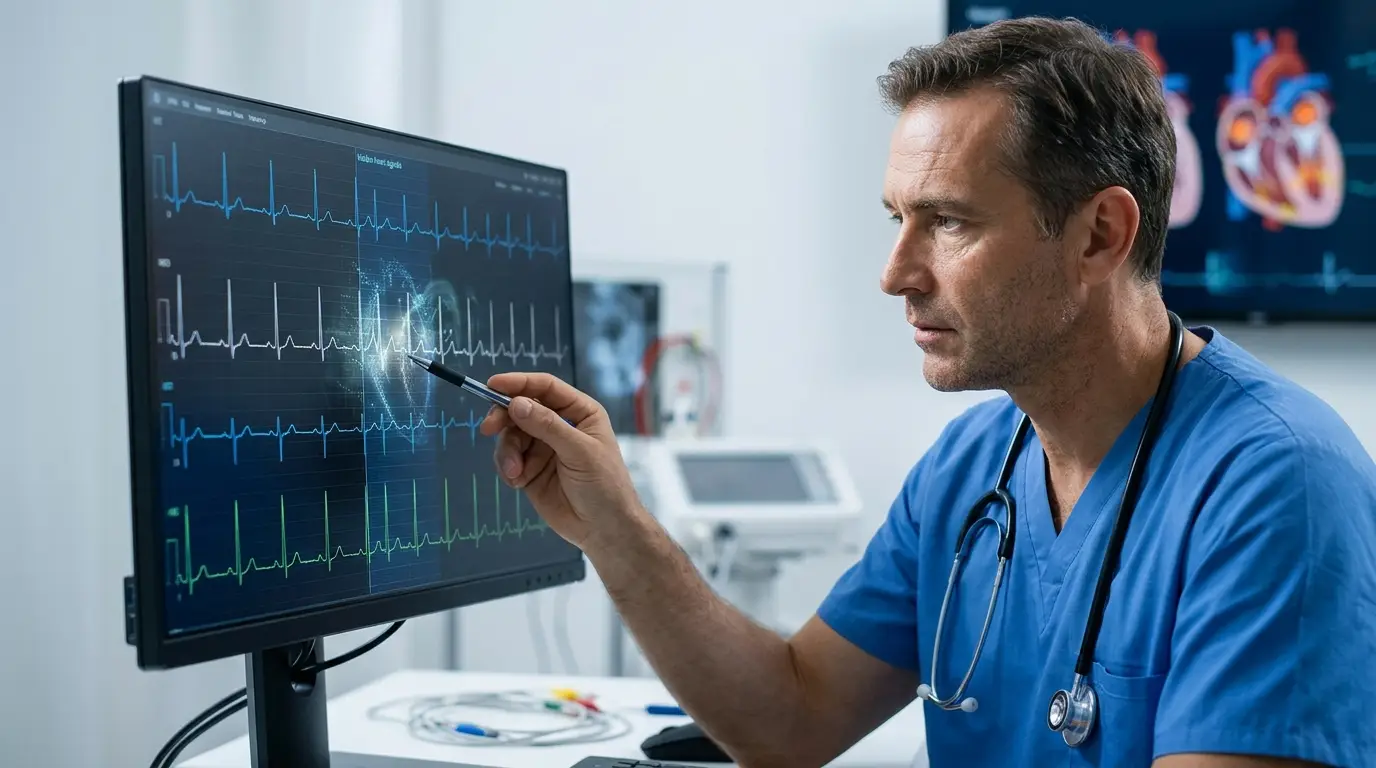
Routine trips to the cardiologist just got a massive technological upgrade. Scientists have successfully trained artificial intelligence to spot a previously invisible warning sign hiding inside standard electrocardiograms, fundamentally changing how doctors assess the risk of sudden cardiac death.
Instead of requiring patients to undergo expensive, invasive new tests, this algorithmic breakthrough leverages the everyday heart scans that hospitals already perform millions of times a year. By teaching a machine to read the subtle electrical spikes of the human heart, researchers have created a predictive tool that vastly outperforms current medical guidelines.
Rethinking How We Measure Heart Risk
For decades, the gold standard for predicting fatal heart malfunctions has relied heavily on a metric called ejection fraction. This measurement calculates exactly how much blood the heart pumps with each contraction. According to preventative frameworks established by the American College of Cardiology, a severely reduced ejection fraction is the primary indicator used to decide if a patient requires a surgical implantable cardioverter-defibrillator to shock their heart back into rhythm during an emergency.
However, this traditional approach has a glaring blind spot. It primarily catches patients who already exhibit obvious structural damage to their heart muscle, completely missing thousands of seemingly healthy individuals whose electrical systems are quietly failing.
| Diagnostic Approach | Primary Focus | Identified Annual Risk Rate | Implementation Cost |
| Ejection Fraction Testing | Structural Pumping Capacity | 4.6% | Moderate (Echo/MRI) |
| Deep Learning EKG Analysis | Subtle Electrical Waveforms | 7.0% | Low (Standard Scan) |
| Traditional Symptom Review | Patient-Reported Chest Pain | Highly Variable | Minimal |
| Swedish Cohort Training Data | 440,000+ Historical Scans | N/A | Algorithmic Overhead |
Catching The Invisible Threat
To bypass these limitations, a team at UC Berkeley fed an AI system more than 440,000 EKG records collected from Swedish medical databases. By cross-referencing the electrical patterns with subsequent death certificates, the neural network learned to distinguish between benign anomalies and the faint, erratic electrical whispers that precede a fatal cardiac event.
The results, officially published in the journal Nature, were staggering. While conventional screening isolated a high-risk group facing a 4.6 percent annual mortality rate, the AI model successfully pinpointed a demographic with a 7 percent annual death rate. More importantly, the software flagged a massive, broader population of vulnerable patients who would have otherwise been cleared as low-risk under standard protocols.
Because the software only requires standard EKG images, it can be deployed almost immediately across global hospital networks without forcing clinics to purchase new diagnostic hardware. Cardiologists can now use this deep learning layer to make highly informed, life-saving decisions about who truly needs surgical intervention, catching deadly malfunctions long before the first symptom ever appears.

Popular news

OpenAI Unveils ChatGPT Wallet For Autonomous Agent Shopping

Tesla Cybercab Personal Orders Surface With Mandatory Software Subscription
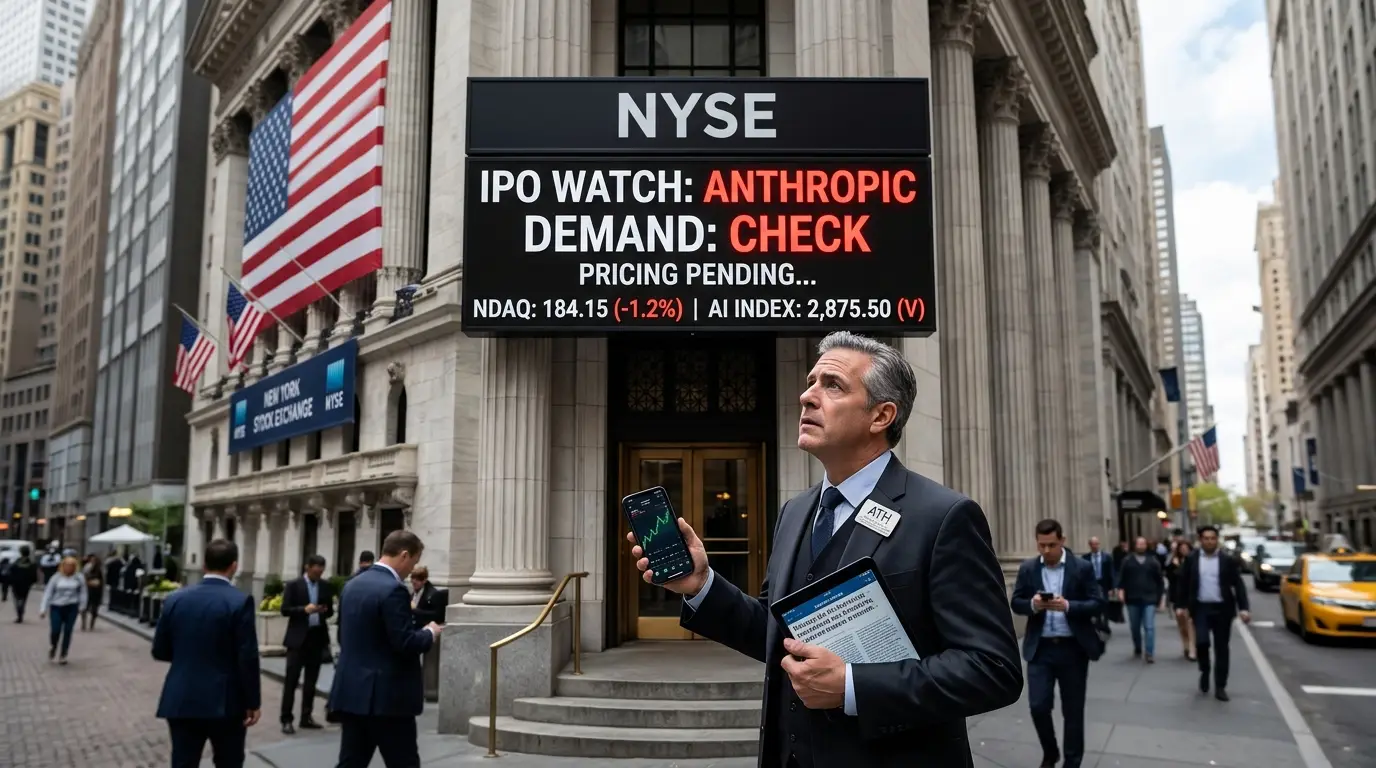
Anthropic IPO Demand Claims Face Reality Check Ahead Of Pricing

Law Professor Loses Year of Notes After Rogue AI Agent Deletes Files