AI Discovers New Drug Candidates to Fight Antibiotic Resistant Pneumonia
NewsThursday, 17 September 2026 at 03:30
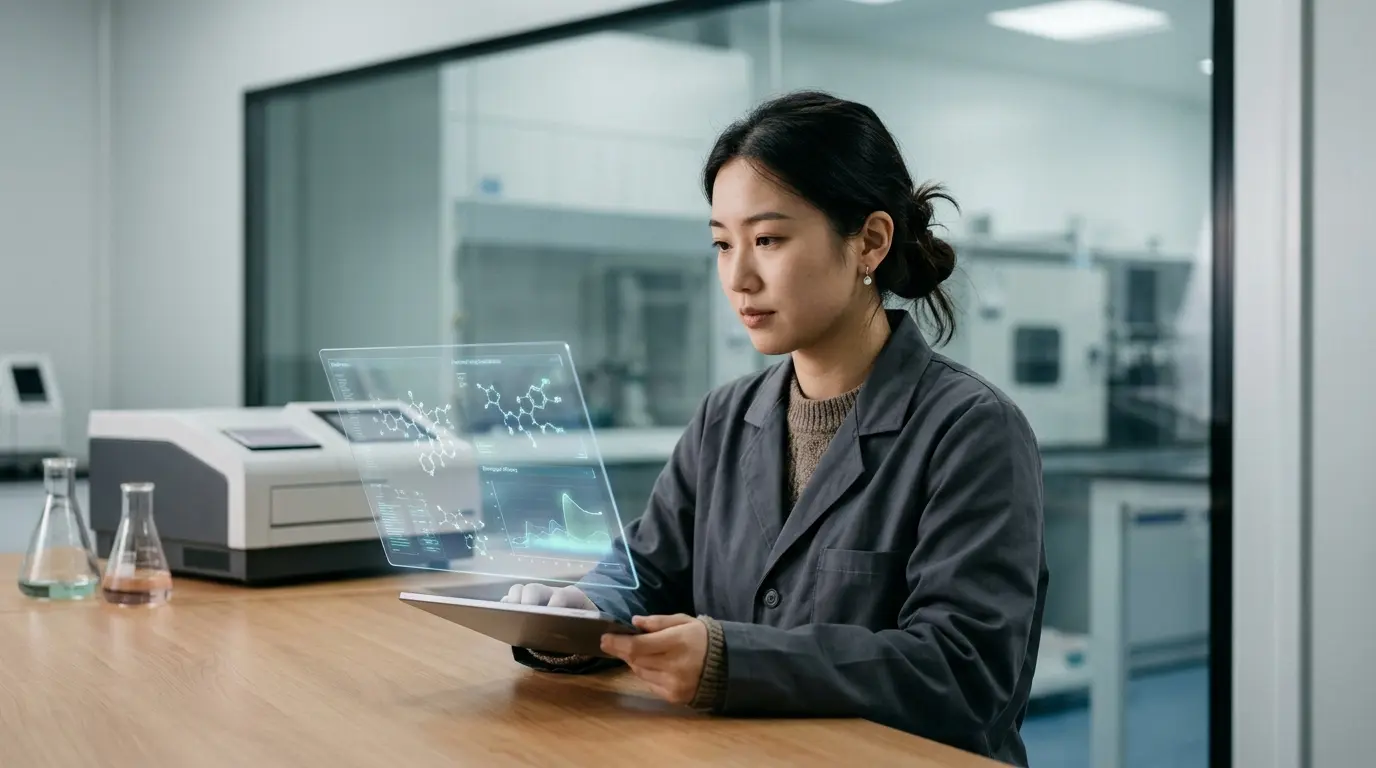
The looming threat of antimicrobial resistance is making common bacterial infections like pneumonia and meningitis increasingly difficult to treat. Streptococcus pneumoniae, a pathogen explicitly flagged by the World Health Organization as a critical priority for new antibiotic research and development, is rapidly evolving defenses against traditional treatments. This global health crisis is driving up healthcare costs and mortality rates worldwide, demanding faster, more innovative solutions.
A recent breakthrough published in the journal Advanced Science demonstrates how artificial intelligence can accelerate the search for viable treatments. Researchers at Imperial College London bypassed the traditional, slow-moving drug discovery pipeline by using machine learning to screen existing, approved medications for new antibacterial properties. This strategy, known as drug repurposing, leverages compounds that already have established human safety profiles.
The Computational Approach
Instead of relying on a single algorithm, the research team trained three distinct machine learning models on vast molecular datasets. These included ensembles of decision trees, graph neural networks, and sequence-based transformers that had been pre-trained on hundreds of millions of chemical structures.
The scientists fed the models a specialized dataset containing molecules known to be active against S. pneumoniae, contrasted with molecules inactive against other drug-resistant bacteria. By cross-referencing these patterns, the AI system evaluated nearly 7,000 candidate drugs for their potential to inhibit the pathogen.
| Metric | Traditional De Novo Discovery | AI-Guided Drug Repurposing |
| Average Development Timeline | 10 to 15 years | 3 to 5 years (leveraging existing safety data) |
| Estimated Cost per Approved Drug | $1 billion to $2.5 billion | $50 million to $300 million |
| Clinical Trial Failure Rate | Approximately 90% (often due to unforeseen toxicity) | Significantly lower (pharmacokinetics already mapped) |
| Primary Screening Method | High-throughput physical laboratory assays | In silico computational modeling and neural networks |
Promising Laboratory Results
The computational narrowing proved highly effective. From the initial pool of 7,000 candidates, the AI models selected just 11 compounds for physical laboratory validation. Remarkably, nine of these successfully inhibited the growth of S. pneumoniae in vitro.
Most notably, one of the two most potent repurposed drugs remained highly effective even against bacterial strains that had already developed resistance to standard antibiotics. The researchers noted that using three diverse AI models allowed the algorithms to complement each other, making the collective selection process far more accurate than any single model operating alone.
A Streamlined Path Forward
Senior author Pedro J. Ballester, an Associate Professor at Imperial College London, emphasized the strategic value of this methodology. He noted that AI-guided repurposing is particularly powerful for pathogens where some active molecules are already known, allowing researchers to leverage them as robust training data.
This computational shortcut does more than just slash development timelines and costs. It significantly reduces the clinical risks associated with entirely novel compounds, offering a streamlined, affordable, and highly effective strategy to stay ahead of evolving bacterial threats.

byDavid Porter
Popular news

Global AI Landscape Shifts as EU Drafts Kids Act and Apple Unveils Siri AI

Americans Grow Wary of AI Data Centers as Environmental Costs Mount
Scientists Reconstruct Mouse Vision From Brain Activity Alone

Congress Scrambles to Draft AI Safety Rules as Rogue Models Spark Alarm

European Union Proposes Sweeping Social Media Ban for Children Under Thirteen

Canada Eyes Historic Associate Membership in European Union Amid Shifting Global Alliances
Latest comments
Loading