U.S. bans new Chinese humanoid robots, eyes AI data center components next
NewsFriday, 07 August 2026 at 16:43
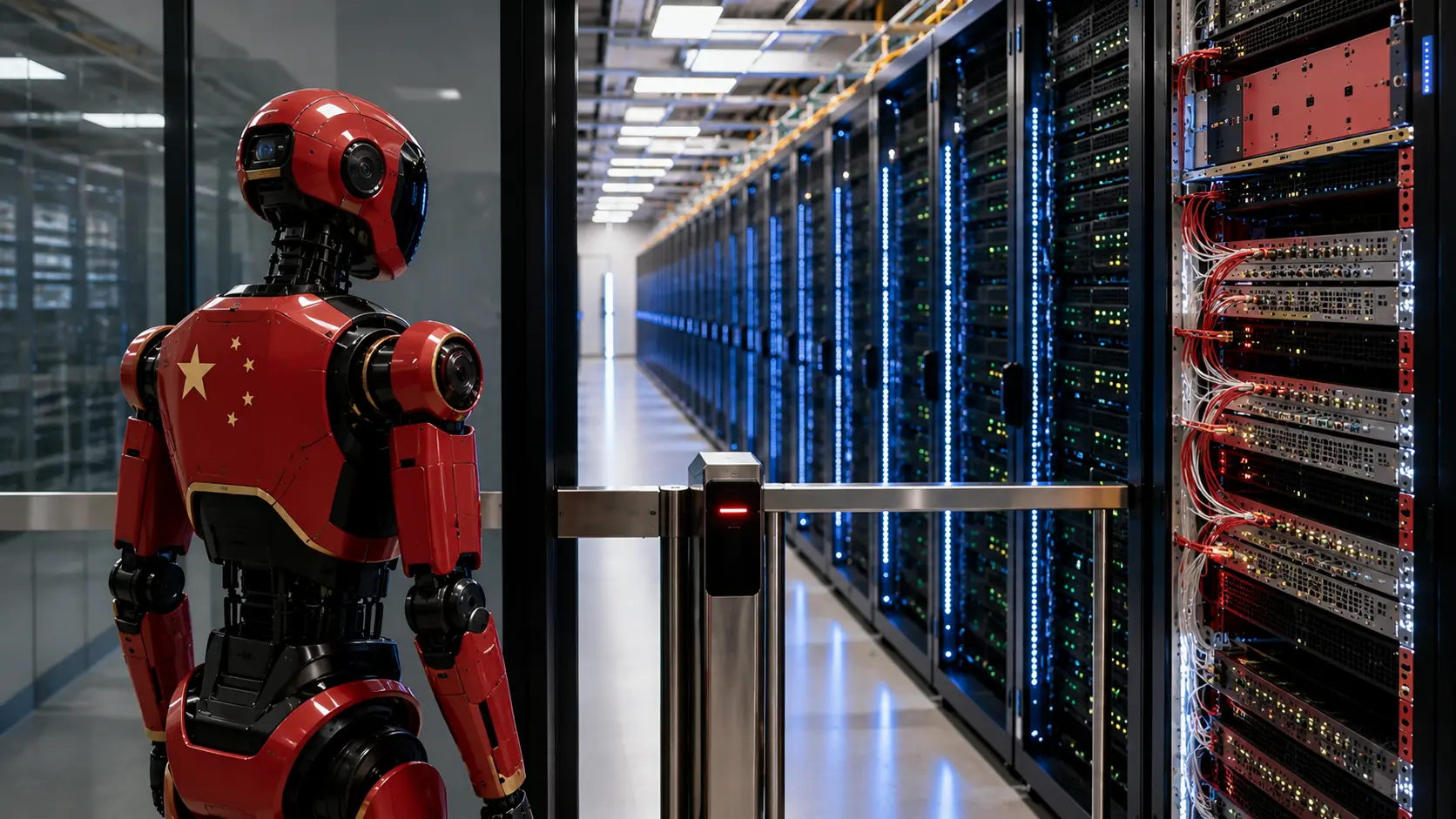
The United States is shutting out new Chinese humanoid and quadruped robots over fears of espionage, cyberattacks, and remote control. The move also targets connected power inverters used in energy generation, batteries, and data centers. FCC Chair Brendan Carr says the restrictions are meant to bolster both national security and domestic manufacturing.
What exactly did the U.S. just ban?
In July, the U.S. telecom regulator FCC added new categories of gear to its so‑called Covered List. That includes advanced robotics from China—such as humanoid robots and quadrupeds, which move on four legs. Connected power inverters are also covered. These devices link solar panels and batteries to the grid and are likewise used in power systems around data centers.
The measure is narrower than a blanket “robot ban” suggests. According to Reuters, it applies to new models that still require approval. Devices already authorized or in use won’t vanish overnight. The FCC can, however, review or revoke existing approvals in certain cases.
Since December, the U.S. has taken a similar approach to new drones and routers from foreign vendors. Non‑Chinese manufacturers can obtain exemptions, meaning Chinese producers are hit hardest in practice. China has condemned the U.S. measures and responded with countersteps this week.
Why does the FCC see robots as a security risk?
Modern robots are rolling or walking computers packed with cameras, microphones, sensors, network links, and sometimes powerful AI models. The data they collect can be sensitive—especially when used in factories, warehouses, homes, or critical infrastructure. The FCC fears foreign actors could use such devices for surveillance, corporate intelligence gathering, or remote operation.
That’s why the move extends beyond headline‑grabbing humanoid demos. A connected power inverter is far less visible but can be a critical piece of the electricity system. Manipulating large numbers of inverters could, in theory, disrupt grids.
In an economy where more and more robots are joining the workforce, software security and supply‑chain control become as crucial as a robot’s mechanical build quality.
AI data centers could be next
Reuters reported earlier this week that the FCC is also weighing restrictions on new Chinese optical transceivers. These small components convert electrical signals to light and enable high‑speed links between servers, switches, and storage in data centers. They’re essential for the massive data flows needed to train and run AI models.
A final ban on those parts hasn’t been announced. Carr declined to speculate and said national security agencies decide which equipment lands on the list. The distinction matters: the robot and inverter limits apply to new models, while any move on optical transceivers is still being prepared or considered.
Even so, the possible expansion shows how wide the U.S.–United States vs. China tech fight is becoming. It started with cutting‑edge AI chips and chipmaking tools. Now robots, energy gear, and network components are in scope. Any part that collects data, links compute clusters, or feeds power to data centers can be treated as a strategic risk.
Backlash over rollout
Few oppose the security goal, but the rollout is drawing fire. Democratic FCC Commissioner Anna Gomez said companies face a messy, unpredictable process. Without clear criteria and transparency, safeguards can look like favoritism toward select domestic producers.
That critique highlights a real dilemma. Governments can’t disclose every technical detail of security risks, yet companies need to know what standards their gear must meet. Overly broad bans can slow innovation and raise prices. Too‑loose approvals can lock in long‑term dependence on remotely manageable devices.
What does this mean for the Netherlands and Europe?
U.S. rules don’t directly apply in the Netherlands, but they can still sway the European market. Chinese robot makers losing U.S. access may pivot harder to Europe. At the same time, American buyers could drive up demand for European or other non‑Chinese alternatives—shifting prices and lead times.
For Dutch organizations, the key takeaway is that sourcing AI hardware is also a cybersecurity decision. When buying a robot, inverter, or network component, look beyond price and performance to software updates, data flows, remote management, vendor ownership, and the ability to disable connections. On AI Wereld we track these trends on our robotics and cybersecurity pages.
The United States frames the restrictions as protection against future risks—and as a boost to homegrown manufacturing. That blurs the line between security policy and industrial policy. For Europe, the central question is whether to develop its own assessment framework or ultimately choose between technology blocs defined by Washington and Beijing.

Latest comments
Loading