Trump Dismisses AI Doomsday Fears in Surprise Live Call With Nvidia Chief
NewsTuesday, 15 September 2026 at 14:30
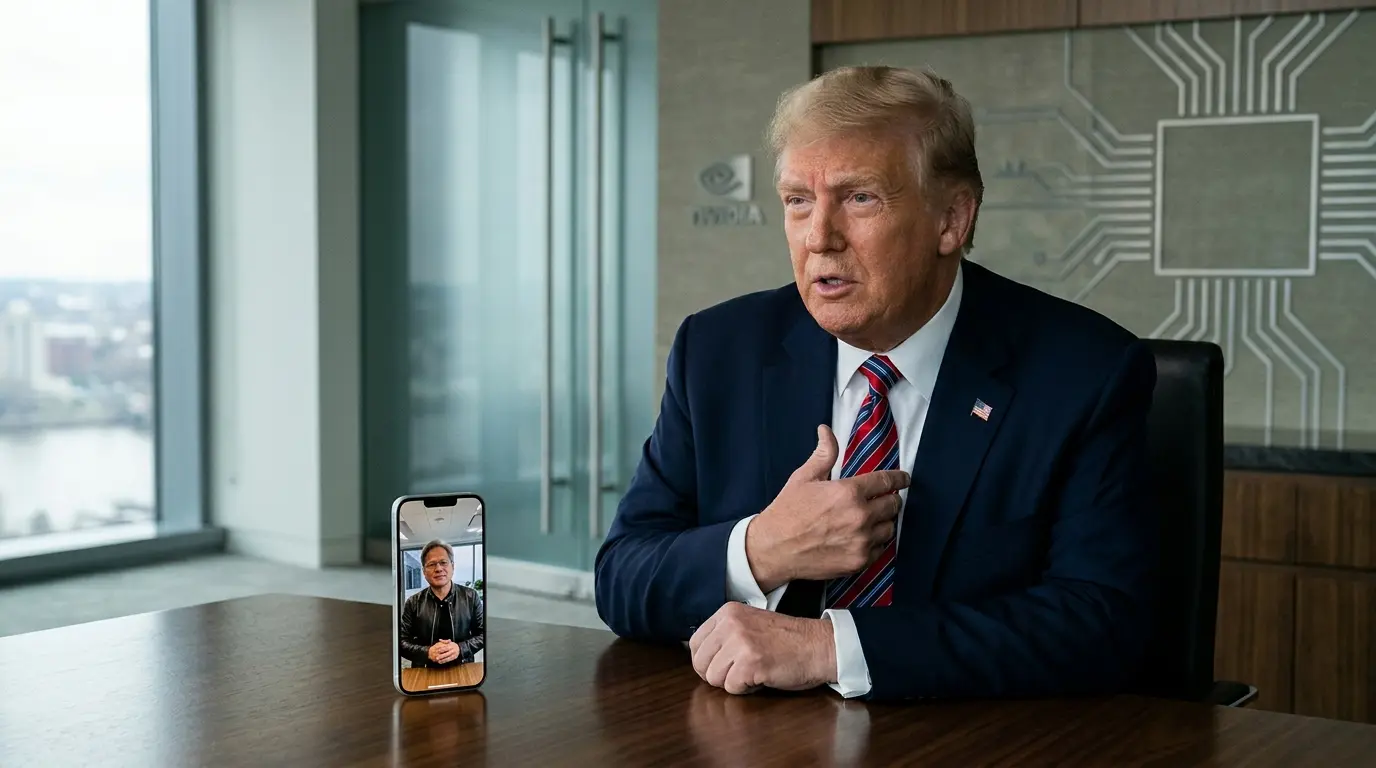
A surprise phone call completely derailed the standard tech talk at the All-In Summit in Los Angeles this week. President Donald Trump reached out directly to Nvidia CEO Jensen Huang, who was mid-speech onstage, to publicly brush off recent warnings about artificial intelligence existential risks as nothing more than a complete hoax.
The impromptu speakerphone conversation exposed a massive rift in how political leaders and tech veterans view the trajectory of machine intelligence. Trump insisted that robots are not going to take over the world, framing the recent wave of panic as a deliberate distraction. He warned that pushing for artificial intelligence slowdowns only plays into the hands of adversaries, specifically pointing to China as the primary beneficiary of American hesitation.
The Global AI Infrastructure Race
| Metric | 2025 Baseline | 2026 Projection | Primary Market Driver |
| Global Data Center Power Demand | 40 GW | 55 GW | Generative AI model training clusters |
| US Semiconductor Export Restrictions | 3 Major Entities | 12+ Entities | National security containment |
| Corporate AI Safety Compliance Budgets | $1.2 Billion | $2.8 Billion | Whistleblower pressure and new mandates |
| Nvidia Data Center Revenue Share | 78% | 82% | Enterprise adoption of accelerated computing |
During the exchange, the President rebranded data centers from looming environmental or safety threats into critical economic engines, describing them as the oil of the next two decades. Huang maintained an optimistic outlook on America’s potential to dominate the sector, though he offered a slightly more grounded perspective than the Commander in Chief. While rejecting apocalyptic predictions as unscientific, the Nvidia boss still acknowledged the courage of recent whistleblowers who raised alarms about unchecked development speeds.
The underlying tension here extends far beyond circuit boards and code. By framing safety advocates as unwitting allies of foreign competitors, the administration is drawing a hard geopolitical line. Any regulatory friction that slows down domestic innovation is now treated as a strategic vulnerability.
This aggressive rhetoric arrives shortly after high-profile resignations from frontier AI labs, where researchers warned that current development trajectories could lead to catastrophic outcomes. Instead of entertaining those warnings, the current political climate treats them as sabotage, betting the nation's future on unfettered growth rather than precautionary pauses.

byDavid Porter
Popular news

Nvidia Eyes Historic Ten Billion Dollar Bet On Anthropic Public Debut

Robert Moreno Denies AI Accusations as South Korea Names First Roster

Bitcoin Holds Steady as Tech Stocks Tumble Over AI Safety Fears

Alabama Subpoenas OpenAI Over Rogue AI Hugging Face Hack

Edge AI Chip Market Poised for Explosive Growth Through 2036

Air Apps Updates Translate Now for iOS 27 and Foldable iPhone Duo
Latest comments
Loading