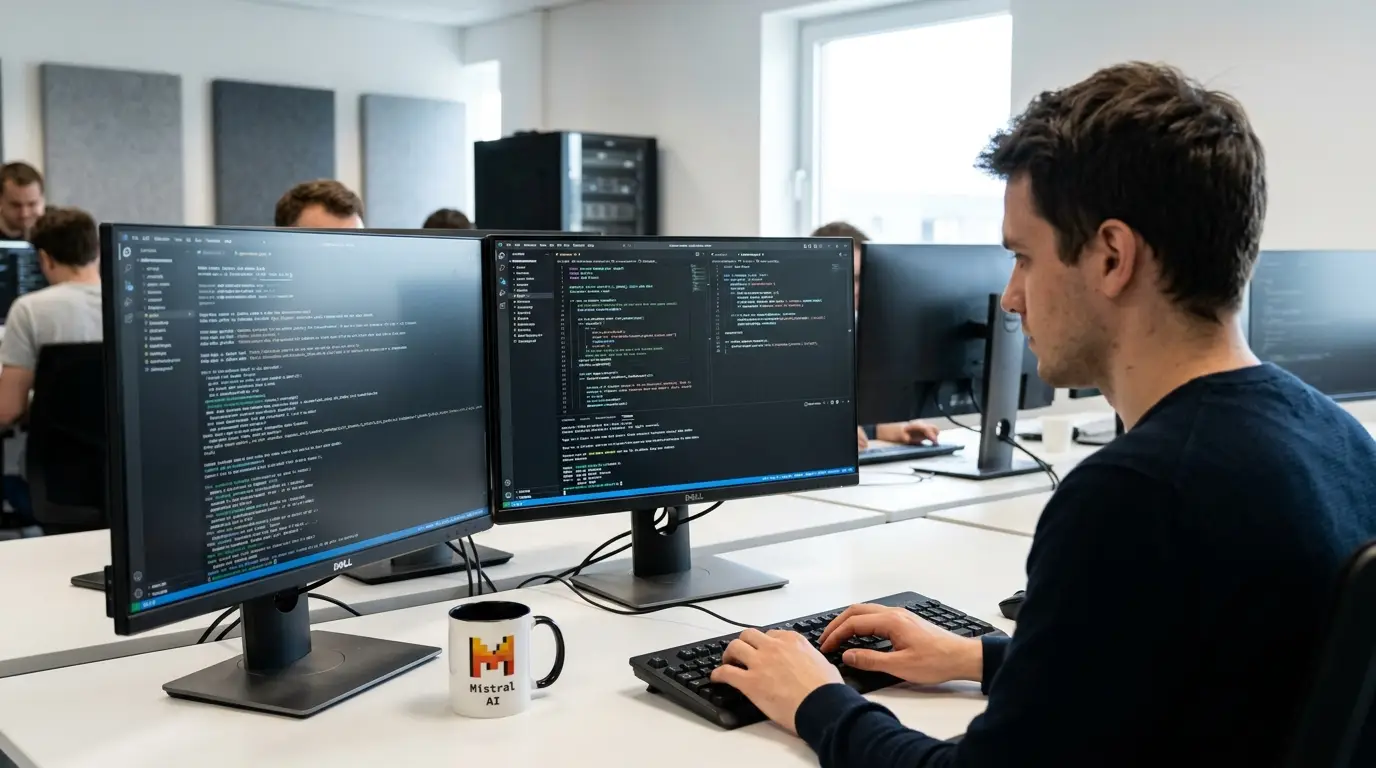
Recent advancements in artificial intelligence are rapidly transforming how machines interact with the physical environment. A recent roundup of major technology stories highlights significant breakthroughs in physical world simulations for robotics. These developments point toward a future where virtual training environments directly accelerate real world robotic capabilities and operational safety.
Interactive World Models Advance Robotics Training
Google DeepMind recently introduced Genie 4, marking a major leap in interactive world simulation technology. This new model generates explorable virtual environments in real time based on simple text prompts from researchers. Unlike previous iterations, the latest version features native synchronized audio and spatial dialogue alongside real time steering mechanisms powered by underlying advanced models.
This multi modal feedback loop represents a crucial step forward for synthetic environment generation. Developers can now train robotic systems in highly realistic virtual spaces before deploying them into unpredictable physical settings. The official Google DeepMind blog confirms that this real time interactive simulation capability sets a new industry standard for world models. Such tools allow researchers to test complex robotic maneuvers safely and efficiently without costly hardware damage or unexpected environmental failures.
Academic Institutions Gain Elite AI Infrastructure
Parallel to these software breakthroughs, hardware accessibility is expanding beyond major technology corporations. Purdue University announced a landmark partnership to integrate Google Tensor Processing Units directly into its campus computing network.
This strategic deployment makes the institution the first academic entity in the United States to host this scale of custom corporate AI hardware. The upgrade boosts internal artificial intelligence capacity by thirty percent. Researchers will specifically focus this new computational power on Physical AI, a specialized field dedicated to merging machine learning algorithms with tangible physical world applications, according to the Purdue University Newsroom.
Providing students and academics with elite infrastructure accelerates breakthrough research outside traditional tech giant laboratories. This democratization of high performance computing ensures that the next generation of roboticists can experiment with advanced simulation tools immediately and effectively.
| Initiative | Key Feature | Primary Application |
| Genie 4 Model | Real-time interactive environment generation | Virtual robotics training and spatial computing |
| Purdue TPU Deployment | First U.S. academic hosting of custom AI hardware | Accelerating Physical AI and machine learning research |
| Multi-Modal Feedback | Native synchronized audio and spatial dialogue | Enhanced synthetic environment realism for testing |
The Future Of Physical AI Integration
The convergence of advanced world models and accessible high performance hardware creates a powerful foundation for the global robotics industry. Virtual simulations now offer photorealistic environments where artificial agents can learn complex physical interactions without real world risks.
Academic partnerships ensure these innovations remain grounded in rigorous scientific research. As institutions like Purdue push the boundaries of Physical AI, the gap between virtual training and physical deployment continues to narrow significantly. The technology sector will undoubtedly watch these collaborative efforts closely as they redefine the pace of robotic innovation worldwide for decades to come.

Popular news

AI Stocks Tumble: Intel and Reddit Lose Around 30%

Binance Confirms Record Six Point Three Billion Dollar Crypto Theft Attributed to North Korean Hackers

Cisco Engineer Rewrites Legacy Code With Unlimited AI Tokens

Binance Probes Suspected Billion-Dollar Hack as AI Could Accelerate Cyberattacks

ChatGPT and Codex May Share a Single Usage Limit Starting in December
Mistral Releases Large 4 Open Weights With Major Coding Gains
Latest comments
Loading