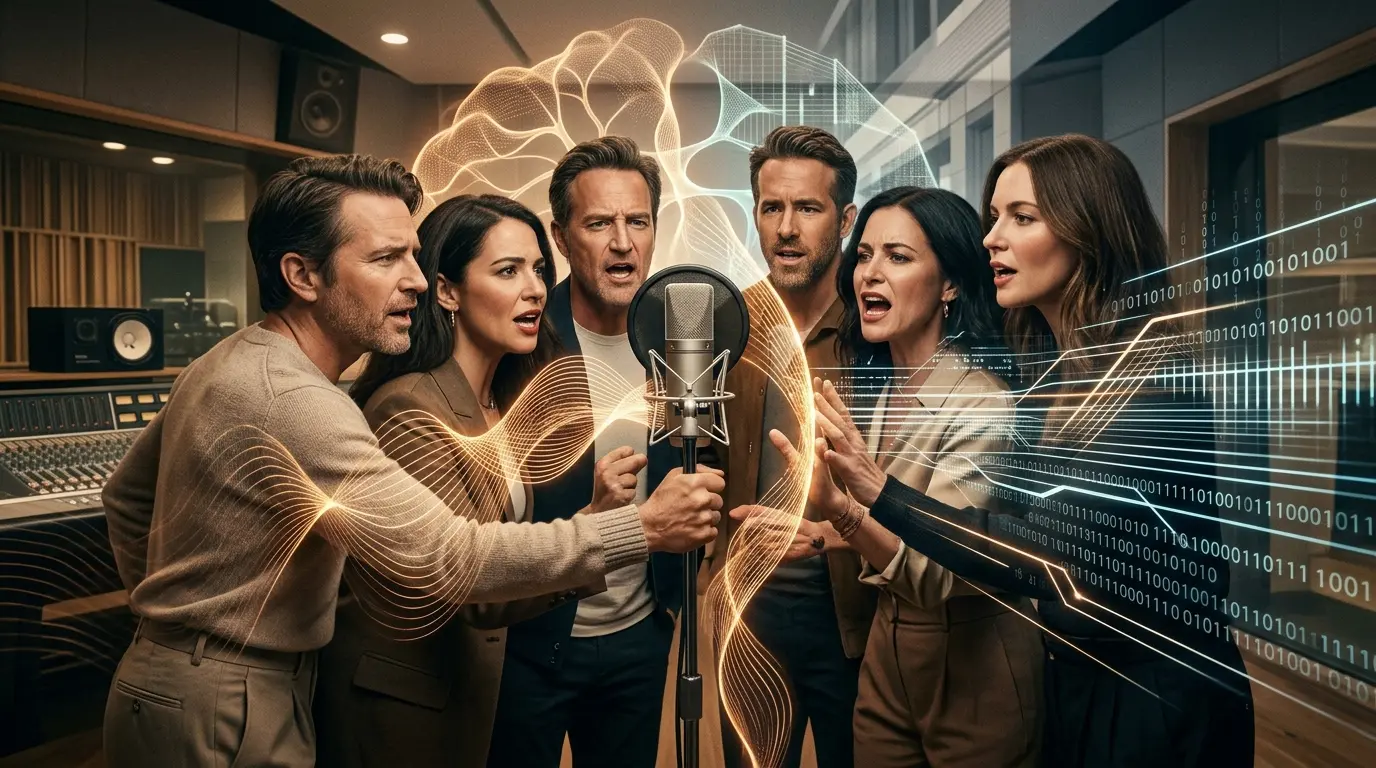
Nicola Coughlan and Matt Lucas joined a major push to stop artificial intelligence companies from stealing voices. These performers demand new laws to prevent tech firms from creating digital replicas without consent. Actors face a future where their unique vocal identities are taken without payment or permission.
The Growing Threat to Creative Careers
Professional actors worry about software programs which mimic human speech with high precision. This technology allows companies to generate audio for advertisements and shows without hiring the original artist.
The Equity union warns this practice threatens the financial security of thousands of performers. Nicola Coughlan joined several colleagues to sign an open letter calling for urgent protection against these digital clones.
Current legislation provides little defense for performers when their likeness undergoes digital duplication. The software analyzes existing recordings to reproduce tone and inflection perfectly.
Performers lose control over their professional reputation when their voice says things they never agreed to record. This issue impacts everyone from famous stars to emerging voice-over artists.
- Performers lose income when digital clones replace human talent.
- Tech firms scrape voice data without offering compensation.
- Lack of regulation allows unauthorized replicas in commercials and media.
- Digital theft undermines the value of human artistic skill.
Establishing New Legal Standards for Voice Ownership
According to reports, industry leaders now push for new rights over vocal property. These advocates want laws ensuring any digital replica requires a specific license and fair payment.
The campaign focuses on securing legal ownership of vocal prints. Matt Lucas expressed concern about the lack of boundaries currently governing these artificial intelligence tools.
Tech firms often treat human artistic output as free data for their own profit. The movement seeks to establish a framework where technology supports artists rather than replacing them entirely.
Lawmakers now face pressure to update copyright statutes to cover synthetic performances. Without these changes, the entire voice-over industry faces an uncertain future.
Performers insist human emotion and nuance are impossible for software to replicate truly. This movement aims to protect the soul of performance from being reduced to a series of algorithms.
| Campaign Detail | Information Summary |
| Featured Stars | Nicola Coughlan, Matt Lucas |
| Organizing Body | Equity Union |
| Core Issue | Unauthorized Voice Cloning |
| Primary Objective | Legal Ownership of Vocal Likeness |
| Target Audience | Legislators and Tech Companies |
Equity officials highlight how existing contracts often contain hidden clauses allowing for future digital exploitation. These deceptive agreements trick artists into surrendering their rights forever.
Legislative action remains the only way to stop this widespread theft of human identity. Governments must acknowledge vocal likeness as a distinct form of intellectual property.

byDavid Porter
Loading