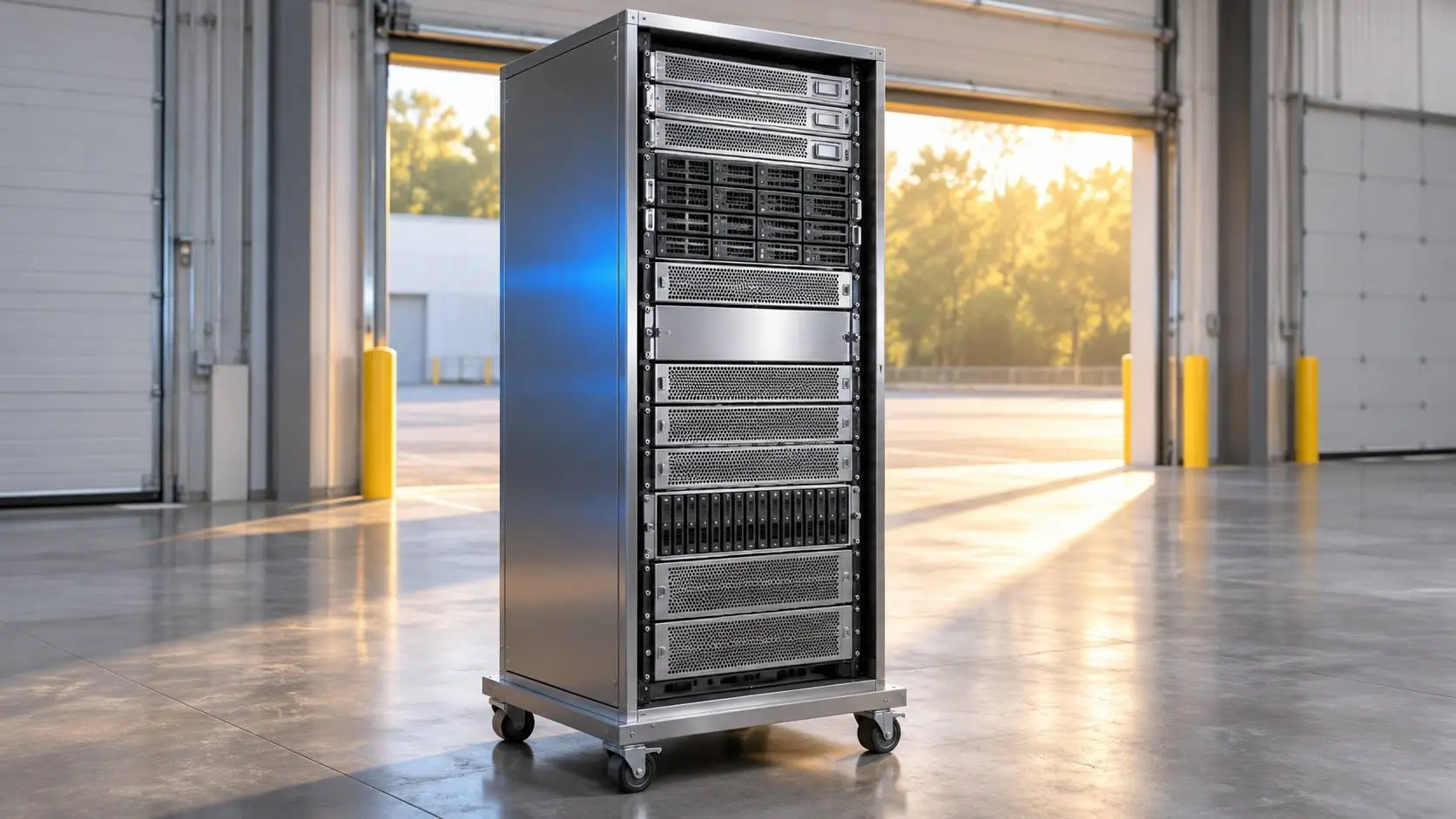
The funds are for GPUs and related gear for SpaceX data centers. AI-generated editorial illustration.
Apollo and Goldman Sachs have priced about $44 billion in notes for SpaceX. The money is for Nvidia Vera Rubin chips and other gear for data centers on Earth. The two firms expect the first gear to arrive in the first half of 2027. Leases are due to start as it arrives.
The November 20 pricing notice says demand for the notes was greater than the amount first offered. The firms raised the size of the deal in response. Apollo calls it the largest financing for GPUs to date.
How the SpaceX deal grew from $40 billion
In October, Apollo announced a binding commitment of about $40 billion to fund equipment for SpaceX. That was an earlier step in the same plan. The new $44 billion figure is the amount of the notes Apollo and Goldman say they priced in November.
To price the notes is to set the terms of the debt sale. In October, our breakdown of the SpaceX filing looked at the pledge. The new figure tells us the size of the priced debt. Both figures refer to the purchase of the same gear. Adding the two would count the project twice.
The banks priced two types of notes. Senior debt gets paid before the debt that ranks below it. Apollo named several large backers. They include funds run by BlackRock and Goldman Sachs Asset Management. Accounts advised by KKR also made early pledges.
Why the chips will be leased
Under the October plan, a group run by Apollo would buy the GPUs. SpaceX would lease them as the gear came in. Each group of chips would have a lease of its own. If two batches land on different dates, the leases can start on different dates as well.
SpaceX had said it expected terms of about five years for each group of equipment delivered. The latest notice keeps the delivery window in the first half of 2027. It also identifies the chip line as Vera Rubin. Our report on Nvidia’s results and early Rubin shipments tracks the wider start of that product cycle.
What to watch when the hardware arrives
The notice gives the total size of the priced notes and a window for delivery. It gives no count of chips by site. It also leaves open how much of the gear SpaceX will use to train models and how much will go toward running them for users.
Delivery is one step in bringing a data center online. The racks also need power, cooling and links that let the chips share work. OpenAI’s deal with TensorWave offers a comparison. Its lead figure is the power set aside for computing at AMD-based sites. The lead figure from Apollo is the debt priced to buy equipment.
The first lease start dates will show when the gear reaches SpaceX. A separate step comes when sites turn the racks on. That is when it will be possible to see how fast the planned buildout adds computing power.

Popular news
The $93.5 billion Anthropic IPO leads this week in AI

Tencent releases Hy4 weights with new terms for large AI hosts

Good Morning AI | A new House caucus and tools AI agents can buy

Proposed Claude-assisted Riemann proof passes independent checks
LocalAI adds a native Windows server for running models on a PC