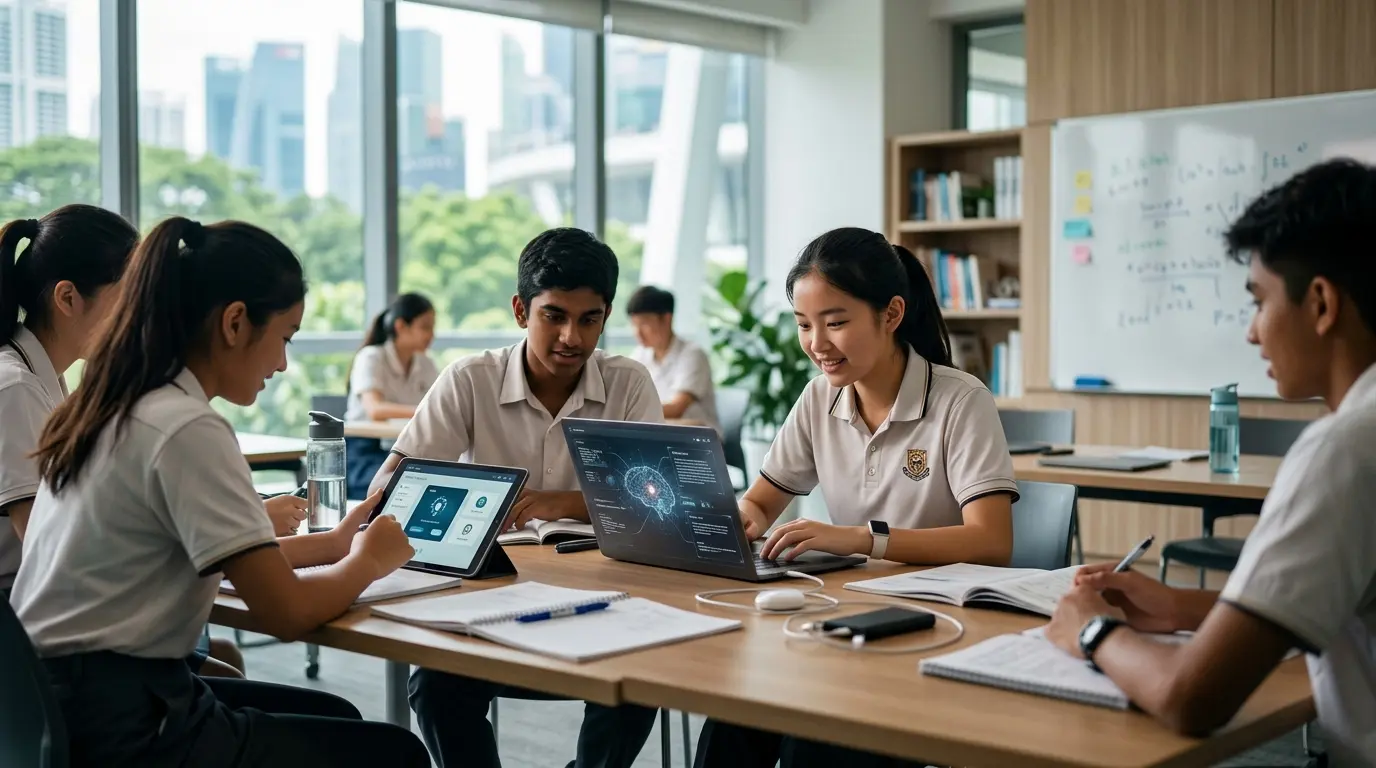
Singapore students lead the way in adopting artificial intelligence for daily schoolwork. Recent PISA study data confirms two-thirds of these learners engage with AI tools at least once every week. This high adoption rate places the nation at the forefront of digital educational shifts.
These digital assistants serve as personal tutors for many young learners. Students find AI tools helpful for clarifying difficult subjects and generating study materials. This frequency of use reflects a significant change in how modern education functions.
Why Singaporean Learners Lead AI Adoption
High performing students often seek more efficient ways to master complex syllabi. These tools provide instant feedback which traditional methods often lack. Digital platforms offer a personalized pace for every individual child.
The latest report highlights specific ways youth interact with technology. Many use software to summarize lengthy readings or find answers to specific questions. This behavior suggests a move toward self-directed learning models among fifteen-year-olds.
- 66% of local students access AI weekly for school tasks.
- Learners use bots to explain tough concepts and improve writing.
- Usage rates exceed many international peers in the PISA rankings.
- Students perceive these tools as essential aids for productivity.
The PISA study looked at how fifteen-year-olds handle digital resources. Results show Singaporean youth feel confident using advanced software for academic gain. This confidence stems from early exposure to technology within the local school system.
Other nations show lower adoption rates compared to Singapore. Local students demonstrate a proactive approach to finding new solutions for academic hurdles. These findings suggest the city state remains a global leader in educational technology.
Academic Integrity and the Future of Classrooms
Academic leaders emphasize responsible use of these new systems. While automation helps speed up tasks, human oversight remains necessary for deep comprehension. Most schools aim to integrate these technologies without losing the value of personal effort.
The Ministry of Education looks for ways to guide students through this transition. Providing clear guidelines helps maintain high standards across all grade levels. Teachers find themselves adapting to a world where software assists with creative processes.
| Metric | Data Point |
| Weekly Usage Rate | 66% of Students |
| Global Ranking | Top Tier (PISA) |
| Primary Purpose | Concept Clarification |
| User Demographics | 15-year-old Students |
Parents play a role in monitoring how much help their children receive from bots. Healthy boundaries ensure the student remains the primary thinker during assignments. Educators believe the combination of human curiosity and machine efficiency produces the best results.
Younger generations seem comfortable with shifting roles for technology in the classroom. They view these platforms as helpful companions rather than replacements for teachers. This mindset allows for a smoother adoption of future innovations across the school system.
Officials believe students must learn to verify information provided by bots. Accuracy remains a priority for all academic work. These new tools offer speed, but accuracy requires human verification to avoid errors.
Schools provide environments where students test these new capabilities safely. Guided practice helps learners understand the strengths of various platforms. These skills prepare the next generation for a workforce where automation is common.

byDavid Porter
Popular news





Latest comments
Loading