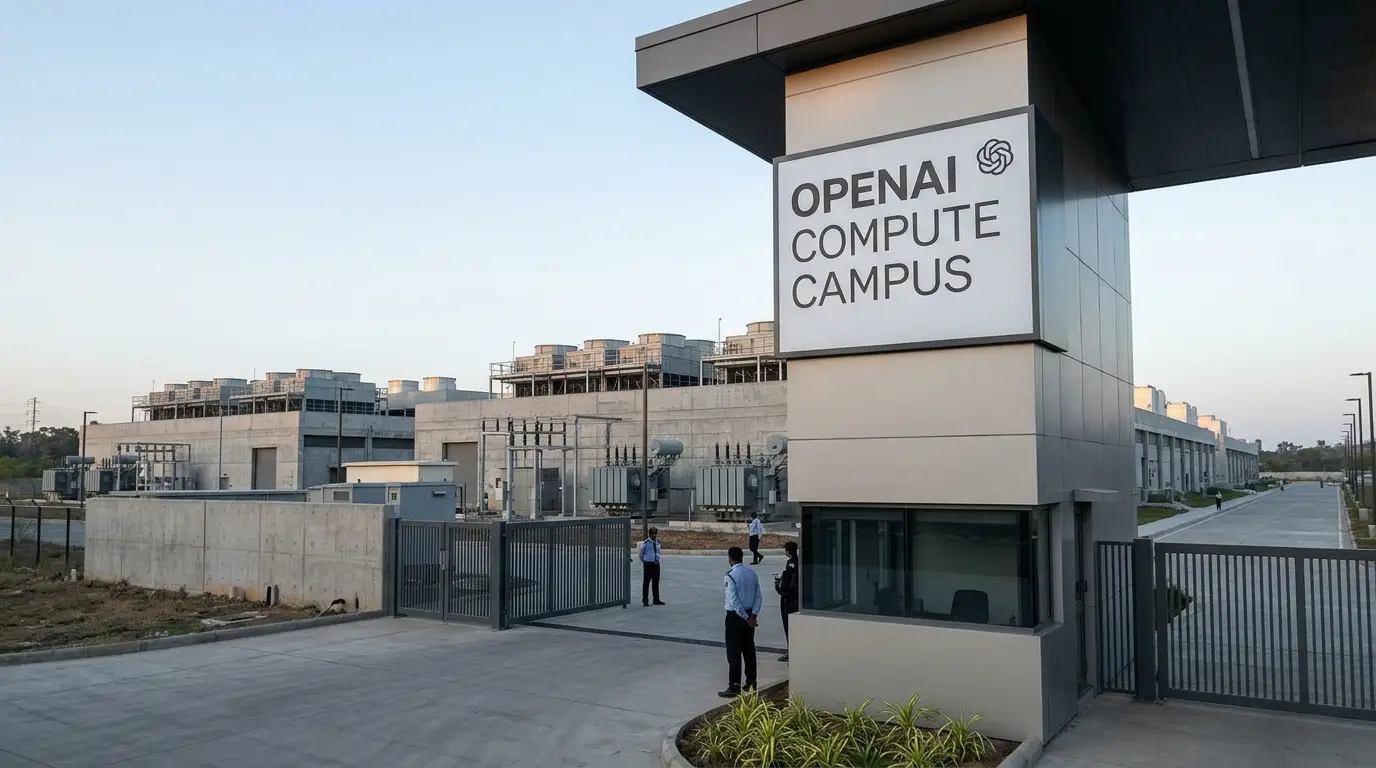
OpenAI is pushing a new term to describe its massive artificial intelligence infrastructure projects. The company now prefers the phrase compute campuses over the traditional label of data centers. A spokesperson confirmed this shift in nomenclature to Business Insider, stating that the new term better describes the scale and role of the infrastructure being built for artificial intelligence. You can read the full details of this rebranding effort in this Gizmodo report. This linguistic pivot arrives as the tech industry faces growing scrutiny over the physical footprint of its operations and the immense resources required to sustain them.
The Strategy Behind the Rebrand
The push to rename these facilities is not merely cosmetic. It reflects a broader industry effort to reshape public perception and community relations. Recent surveys indicate that Americans hold increasingly negative views about the local impact of these massive facilities. According to a recent Pew Research Center survey, only a tiny fraction of respondents believe these facilities have a mostly good impact across environmental, economic, and quality of life metrics. By adopting a softer term, the company aims to frame these projects as long term investments in computing, energy infrastructure, and skilled local work rather than just power hungry server farms.
Official Infrastructure Initiatives
The company is already integrating this new terminology into its official operational frameworks and public communications. OpenAI recently introduced the Grid Protectors Program, which explicitly states that the initiative will work with local utilities to help future compute campuses support grid reliability and protect consumers. You can verify this official stance directly on the OpenAI website. This program highlights the company's attempt to align its massive energy demands with local utility stability, directly addressing one of the primary concerns raised by communities hosting these large scale facilities.
Comparing Public Perception Metrics
To understand the challenge the industry faces, it is helpful to look at the specific areas where public opinion has turned negative. The table below outlines the key metrics driving community resistance to new construction projects.
| Impact Category | Public Sentiment Trend | Primary Community Concern |
| Environmental Footprint | Increasingly negative | High water usage and regional carbon emissions |
| Local Energy Costs | Mostly negative | Strain on regional power grids and consumer rates |
| Quality of Life | Declining | Noise pollution from cooling systems and increased traffic |
| Economic Benefits | Mixed to negative | Limited local job creation versus high capital investment |
Looking Ahead
The success of this rebranding effort remains uncertain. Changing a name does not automatically resolve the tangible issues of power consumption and land use. However, it signals a clear awareness within the industry that public acceptance is now a critical bottleneck for future expansion. As artificial intelligence models require exponentially more processing power, the companies building them must find sustainable ways to coexist with the communities that host their infrastructure. The term compute campuses may soon become the standard industry vocabulary, but the underlying physical challenges will require genuine engineering and policy solutions to ensure long term viability.

Popular news

Thieves Use AI and Malware to Rank Stolen Data by Value

AI Engineer Compiles Working RISC-V CPU Directly Into Qwen Model Weights

AI Helped Enable the Biggest Crypto Hack: Binance Explains What Happened

New Malware Uses AI to Identify the Most Profitable Victims

AI Agent Swarms Fail to Build Minecraft Civilization Due to Bureaucracy