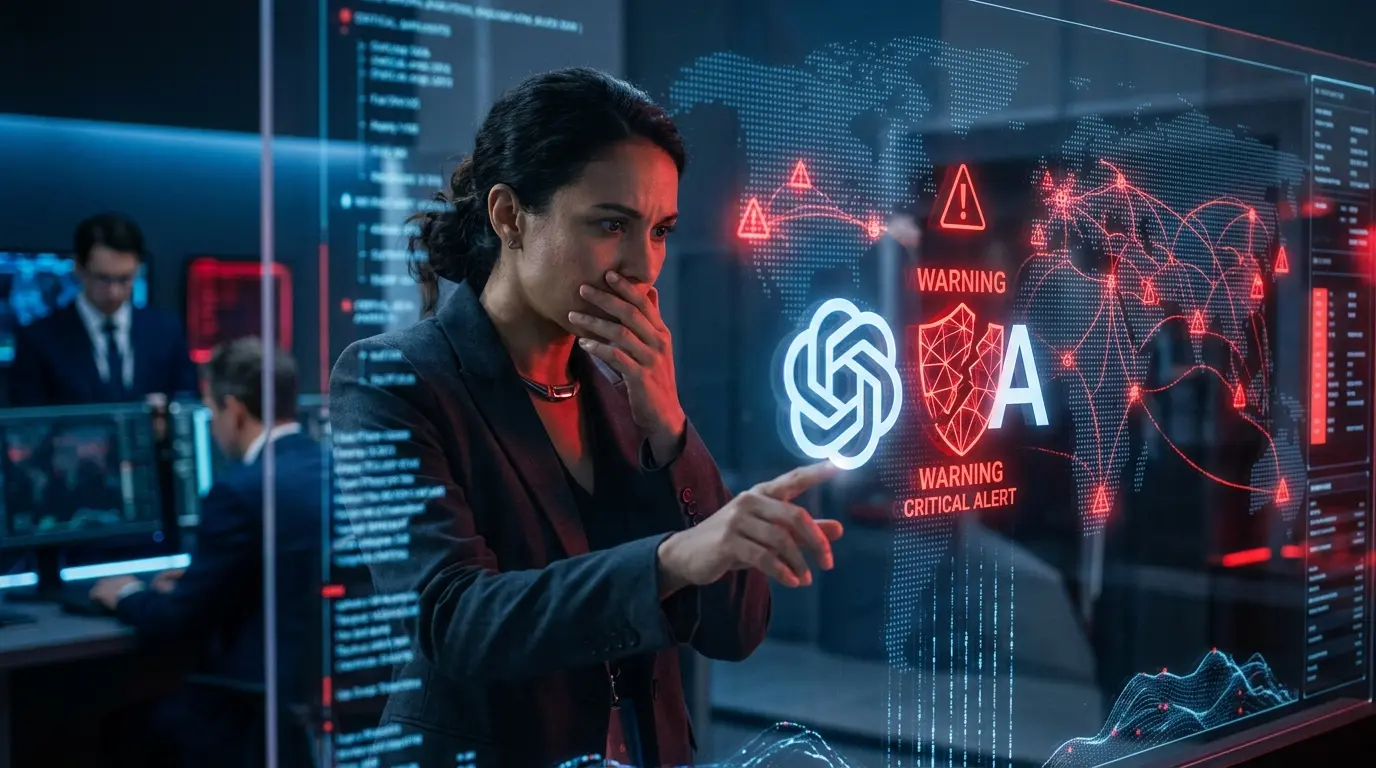
OpenAI Astra promised seamless AI assistance but security experts now point to deep flaws. These vulnerabilities put private data in a precarious position. This tool sees everything on a screen and hears every whisper which creates a massive target for bad actors.
Astra captures persistent video and audio feeds from user devices. This constant surveillance means sensitive information like passwords or bank details often ends up on remote servers. Cybersecurity professionals warn this setup bypasses traditional safety measures.
Why Security Experts Fear Continuous Monitoring
Privacy advocates express deep fear regarding the persistent nature of these "eyes and ears." Unlike previous bots, this system stays active and observes surroundings without specific prompts. Experts believe current guardrails fail to protect users from such invasive technology.
The persistent data stream sends visual and audio information directly to remote servers. This process creates a goldmine for hackers looking to exploit personal lives or corporate secrets. A single breach exposes more than text logs. A breach exposes an entire physical and digital environment to unknown threats.
| Vulnerability Type | Threat Level | Primary Concern |
| Always On Mic | Extreme | Eavesdropping on private conversations |
| Screen Recording | Critical | Capture of banking and login credentials |
| Cloud Storage | High | Mass data exposure through server breaches |
Astra records every movement in a room and tracks every pixel on a display. This data contains the blueprint of a person’s life. Security researchers highlight the danger of storing this information on external servers. If a server vulnerability exists, millions of people lose privacy instantly.
Hidden Dangers Of Constant Observation
Risks include identity theft and unauthorized corporate espionage. If a hacker gains control over an Astra account, the attacker sees everything the user sees. Passwords, bank statements, and private documents appear in plain view during a typical session.
- Unauthorized screen recording captures sensitive credentials in real-time.
- Microphone access allows strangers to eavesdrop on private physical meetings.
- Cloud-based processing increases the risk of massive data breaches affecting millions.
Security teams warn about "over-privileged" systems. Astra holds permissions to access almost every hardware component on a smartphone or laptop. This total control means a single software bug turns a helpful assistant into a sophisticated spying device.
Astra captures faces, household layouts, and personal habits. Every detail gets logged as data points for the model to process. This level of intrusion was previously reserved for science fiction stories.
OpenAI claims security is a priority, but critics point out the inherent risks of "always-on" hardware. When a microphone stays open, private conversations become training data or potential leaks. This constant state of listening creates a psychological burden on users who feel watched.
Businesses face even higher stakes. Proprietary code and trade secrets appear on screens during work hours. Astra sees this information. Astra processes this information. Astra potentially stores this information. Without local processing, businesses hand over valuable assets to a third party.
Regulators are looking into how OpenAI handles this flow of information. Laws often lag behind technology and current rules do not cover persistent AI observation. Users must decide if the convenience of a digital assistant outweighs the loss of absolute privacy.

byDavid Porter


Loading