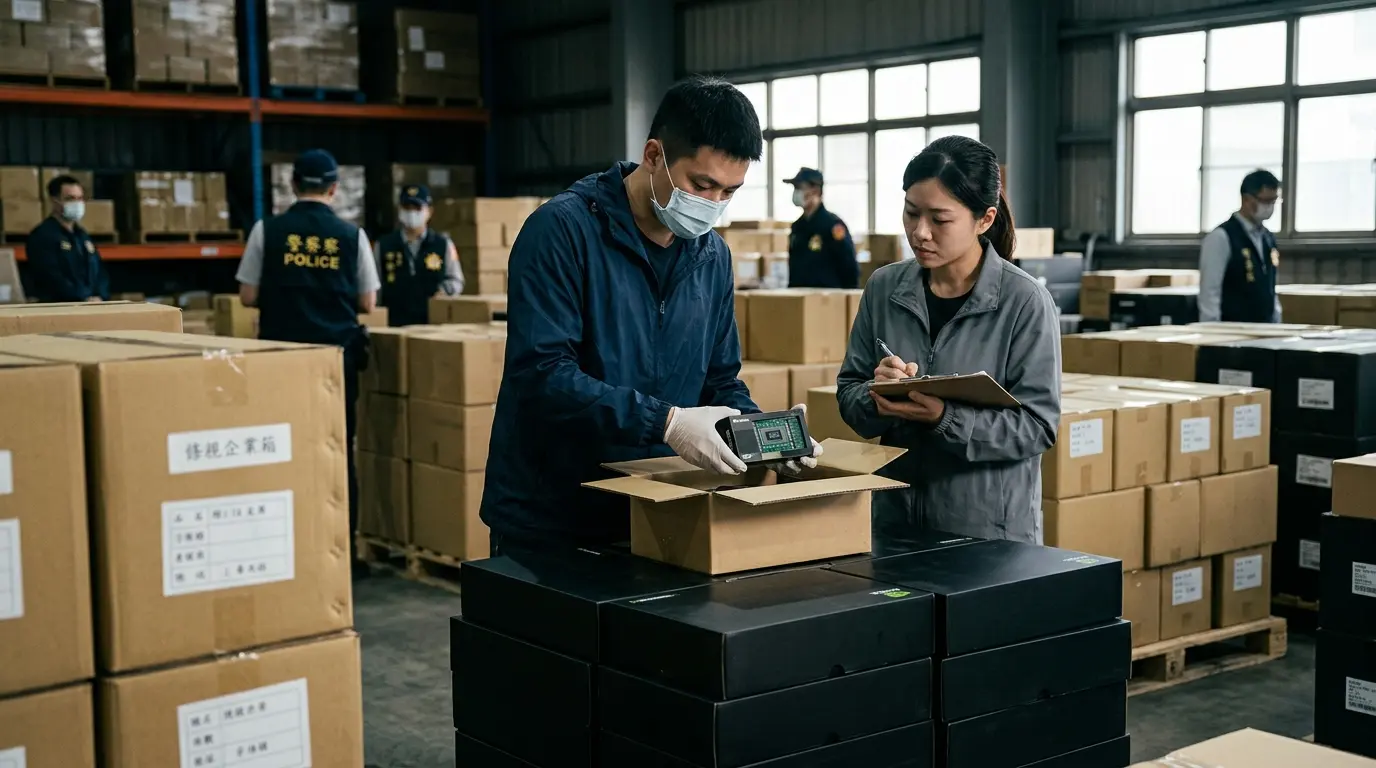
Taiwanese prosecutors launched a massive investigation into a local technology company suspected of shipping restricted Nvidia AI server chips to China. These actions bypass strict US export controls designed to keep advanced artificial intelligence hardware out of Chinese hands. Authorities conducted raids across multiple locations to seize evidence of this illegal trade pipeline. This case highlights the intense struggle to control the flow of powerful semiconductor technology across the Taiwan Strait.
Prosecutors in Taiwan are currently digging into allegations involving a local firm accused of shipping high-end Nvidia server chips to China. These advanced processors fall under strict US trade bans aimed at limiting China’s artificial intelligence progress. According to latest findings, prosecutors seized numerous documents during the coordinated raids.
This probe focuses on whether the company deliberately masked the final destination of these powerful components. Such actions directly challenge international efforts to regulate the semiconductor supply chain. Official reports indicate several individuals face questioning regarding their roles in these shipments.
- Advanced Nvidia chips are essential for training large-scale AI models.
- Export restrictions specifically target hardware with high processing speeds.
- Taiwanese law prohibits transferring certain sensitive technologies to Chinese entities.
Details of the Raid and Illegal Trade Route
Illegal export networks often use third-party intermediaries to hide the true buyer. By routing shipments through different regions, firms attempt to avoid detection from customs officials. This investigation seeks to uncover every link in this specific supply chain to prevent future leaks.
The US government remains vigilant about protecting intellectual property and hardware designs. Taiwanese authorities maintain a strict stance on compliance to protect their standing with global partners. Maintaining trust in the global chip industry requires rigorous enforcement of these trade laws.
Authorities believe the suspect firm used shell corporations to finalize these deals. Maintaining global trade integrity depends on these local investigations. Regulators now look toward tightening reporting requirements for high-performance computing sales.
Global Impact of Hardware Security
Violating these export bans carries heavy penalties for individuals and corporations alike. Future cooperation between Taiwan and US tech giants depends on the security of these sensitive items. Officials aim to send a clear message regarding the consequences of bypassing trade restrictions.
| Detail | Information |
| Restricted Hardware | Nvidia AI Server Chips |
| Primary Destination | China |
| Investigation Method | Raids and Interrogations |
| Legal Context | US Export Control Violations |
Security experts suggest unauthorized hardware transfers pose risks to international balance. These Nvidia chips possess enough power to accelerate military research or surveillance projects. Consequently, law enforcement agencies prioritize these cases to maintain technological advantages.
The outcome of this investigation will likely influence how companies handle high-demand AI hardware moving forward. Strict oversight ensures critical technology remains within authorized borders. Law enforcement continues to monitor suspicious patterns in the global semiconductor trade.

byDavid Porter


Loading