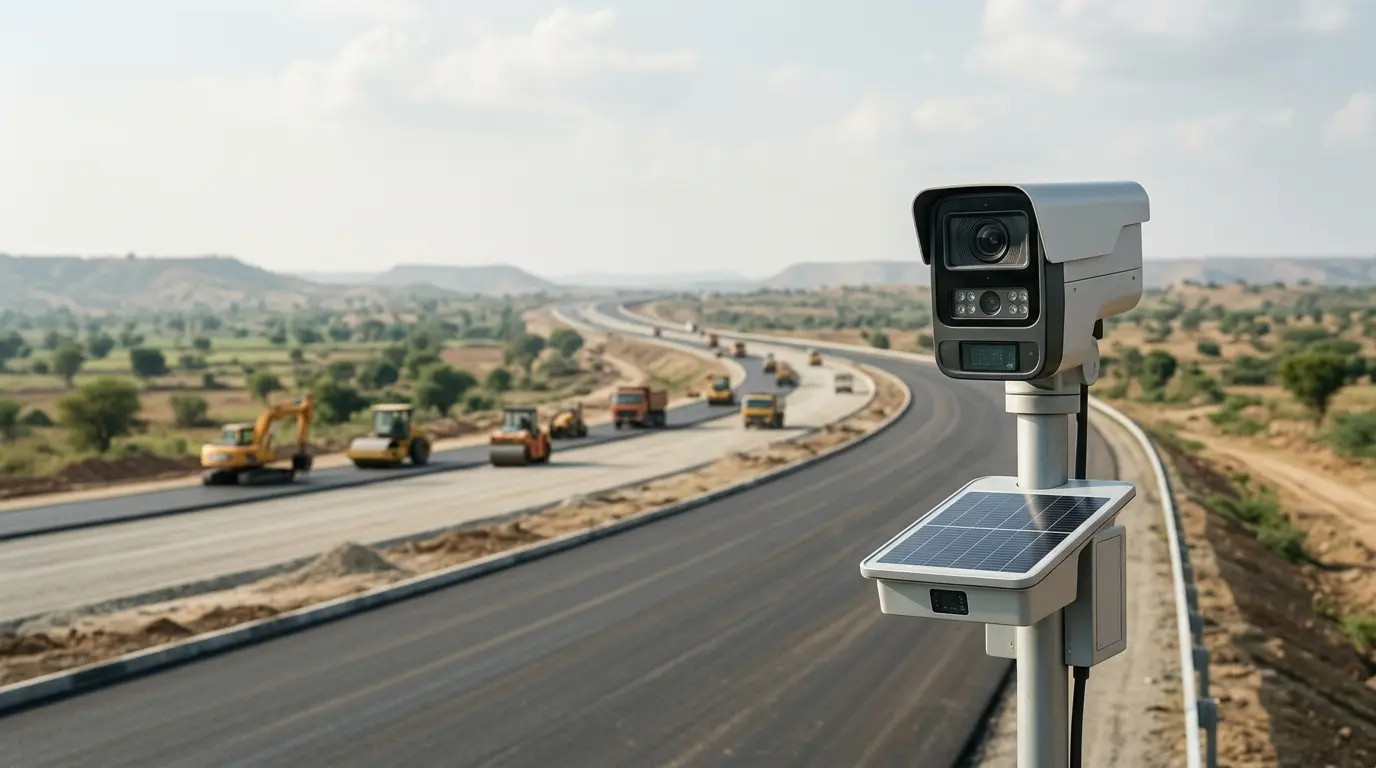
NHAI is making a massive shift toward automation by mandating Artificial Intelligence based Monitoring and Control for significant road developments. Any highway project stretching more than 20 kilometers must now integrate these advanced systems from start to finish. This move aims to eliminate human error and ensure total transparency throughout the construction phase. NHAI expects these digital systems to provide constant oversight without the delays of traditional inspection methods. Contractors are now responsible for ensuring full technological integration on every major stretch of road.
Digital Oversight for Large Scale Infrastructure
NHAI officially requires end-to-end AI-MC deployment for any infrastructure work exceeding the 20-kilometer mark. This policy applies to new builds and significant upgrades across the national network. Contractors must implement digital oversight to track progress and maintain strict quality standards.
By integrating these systems, NHAI expects to see real-time progress tracking for every meter of asphalt laid. Instant alerts for structural deviations or safety hazards will become the norm. Detailed digital records help prevent fraudulent reporting or unnecessary project delays.
Automation removes the guesswork from traditional engineering workflows. Construction firms will find themselves under constant observation through digital lenses. This system ensures every rupee of public investment delivers the promised results on time.
Raising the Bar for Indian Road Quality
Manual inspections often miss small details or suffer from slow reporting cycles. Automated systems provide a continuous stream of data which helps managers make faster decisions. These tools provide high-resolution imagery and data analytics to keep projects on schedule.
The government wants to ensure public funds are spent efficiently while reducing the need for constant on-site human verification. According to reports from the Times of India, these requirements mean the era of paper-heavy monitoring is ending. Every phase of construction now leaves a digital footprint.
- Mandatory installation of sensors and cameras along the project length.
- Cloud-based dashboards accessible to NHAI officials at any time.
- Automated compliance checks against approved engineering designs.
This digital transition forces construction firms to modernize their internal processes. Companies lagging in technology will face difficulty meeting these strict NHAI standards. Future projects will rely heavily on software to prove engineering success and safety compliance.
This shift represents a new phase in Indian infrastructure management where digital evidence overrides verbal reports. The AI systems will capture massive amounts of visual data through drones and fixed cameras. This data undergoes processing to verify if the materials used match the original specifications.
| Requirement Category | Specific NHAI Mandate Details |
| Project Threshold | Minimum 20 kilometers in length |
| Mandatory Tech | Artificial Intelligence based Monitoring (AI-MC) |
| Application | End-to-end construction lifecycle |
| Key Objective | Enhanced quality and strict timeline adherence |
Engineers will receive notifications if the thickness of a road layer falls below the required threshold. Such immediate feedback prevents costly repairs after a project finishes. NHAI believes this proactive approach will extend the lifespan of Indian highways significantly.
Small firms will struggle with the initial costs of these sophisticated monitoring setups. National authorities view this as a necessary hurdle to improve the overall reliability of the road network. Technology is no longer an option but a requirement for modern building contracts.

byDavid Porter


Loading