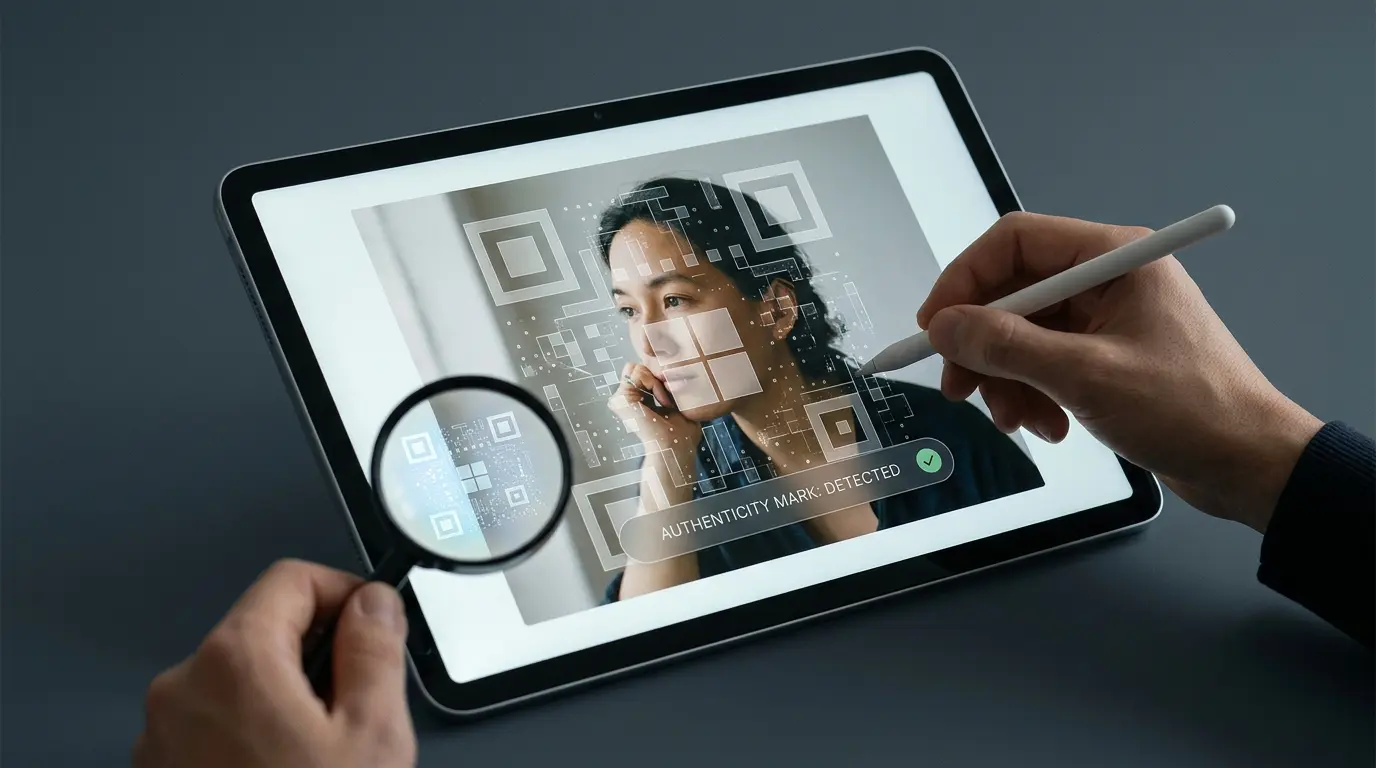
Microsoft quietly tags images generated by artificial intelligence tools inside standard Windows apps. A developer recently reverse-engineered the process to show how Paint and Photos embed invisible data directly into files. These hidden identifiers link creations back to Microsoft systems without user knowledge.
The discovery focuses on Global Unique Identifiers (GUIDs) slipped into the metadata of files created using Cocreator or Image Creator. This technique ensures every single image carries a digital fingerprint. Users won't see these marks with their eyes, but forensic tools pull the data instantly.
Reverse Engineering The Hidden Tracking Code
Researchers found the specific code responsible for these markings after digging into how Windows 11 handles generative media. The system adheres to C2PA standards designed to track content provenance across the web. Microsoft claims this builds trust, but privacy advocates worry about permanent tracking.
A curious developer analyzed the binary structure of images to find where the software hides this information. He found the GUID within the XMP metadata block, a common area for storing photo details. This specific ID connects the output to the specific Microsoft account or session used during generation.
According to report data, the developer noted detailed findings regarding the GUID embedding within the software's binary. The research highlights how the system remains active even when users think they are working locally.
- Hidden GUIDs act as unique digital signatures for every generated file.
- Metadata survives basic edits and compression in many standard cases.
- Tracking applies to both Microsoft Paint and the built-in Photos app.
- The system aligns with global AI content transparency initiatives and safety standards.
Why Microsoft Insists On Invisible Signatures
Software giants face increasing pressure to identify synthetic media to prevent misinformation. By embedding these codes, Microsoft creates a paper trail for every pixel produced by AI systems. This move protects the company from liability while giving platforms a way to flag generated content automatically.
| Feature | Detail |
| Apps Affected | Microsoft Paint, Windows Photos App |
| Tracking Method | Global Unique Identifier (GUID) |
| Visibility | Invisible Metadata (XMP Block) |
| Standards Compliance | C2PA (Coalition for Content Provenance and Authenticity) |
Microsoft uses specific DLL files to manage the AI generation flow and ensure data integrity. The developer pointed to the Content Integrity libraries as the source for the metadata injection. These libraries work by wrapping the final image output with a cryptographic layer before the file hits the local storage.
The technology works silently behind the scenes whenever a user clicks the generate button. While most people won't notice the difference, the metadata remains a permanent fixture of the file. This permanent link ensures AI art stays identifiable throughout the digital life of the asset.
Users often assume AI tools provide complete anonymity when working with local desktop applications. This research proves even offline-capable apps phone home via these digital fingerprints. The GUID functions as a serial number for human imagination, ensuring the company maintains a link to every asset.

byDavid Porter
Latest comments
Loading