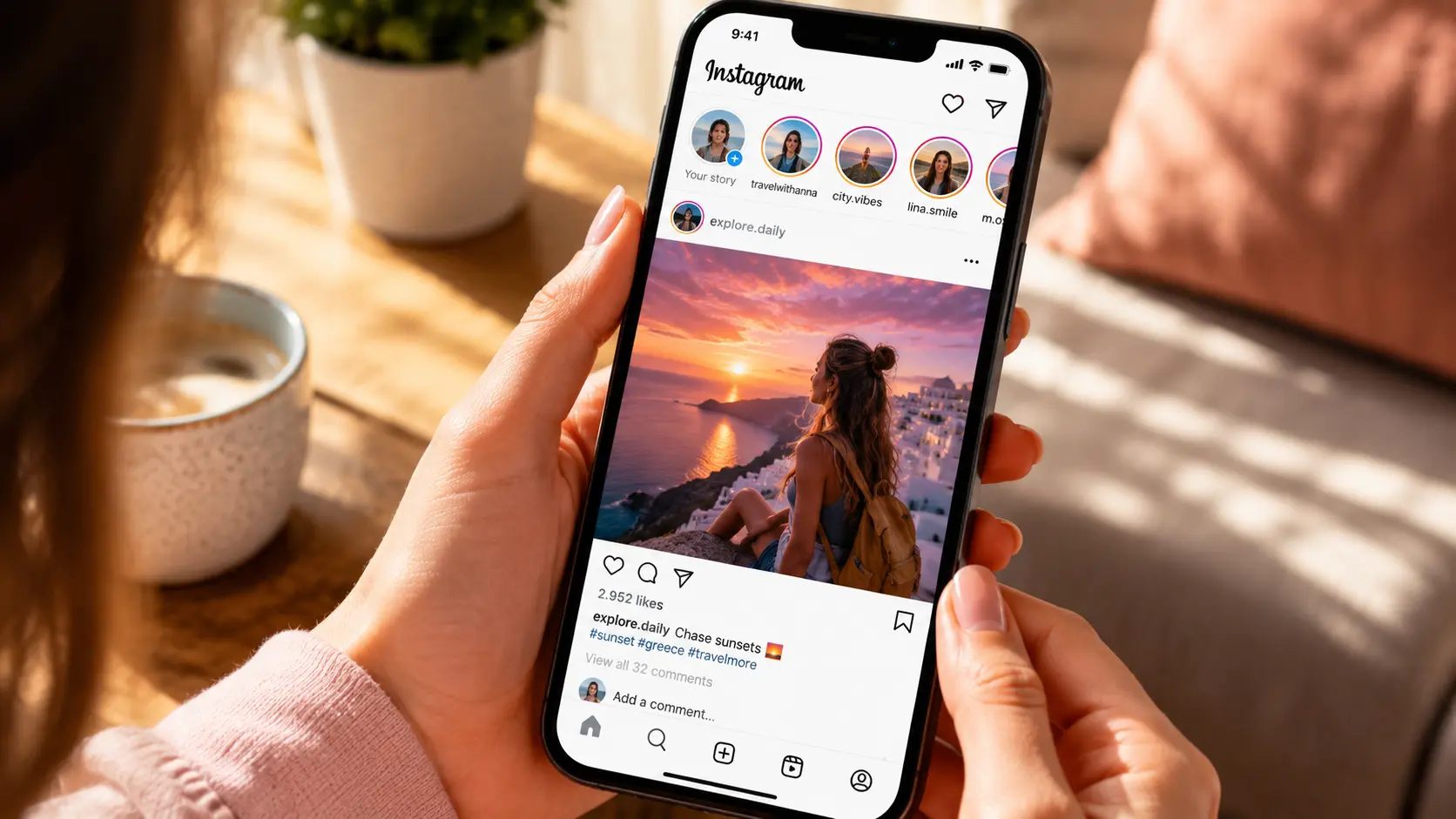
Meta this week launched Muse Image, a new AI feature that lets users generate images based on public Instagram profiles. In practice, anyone can create an AI image of someone with a public account—no prior permission from that person required.
The feature is part of Meta AI and marks a new phase in weaving generative AI into the company’s social platforms. It also immediately raises questions about privacy, consent, and how AI companies handle personal images. Meta says users can opt out, but that setting is rolling out in stages and isn’t available everywhere yet.
AI taps public Instagram profiles as visual source
Muse Image is the first image-generation model from Meta Superintelligence Labs. Users enter a simple prompt and add a public Instagram account by mentioning its handle. The AI then pulls from public photos on that profile to create new images in a range of styles—from realistic portraits to illustrations, posters, and other creative designs.
According to Meta, the feature aims to make personalized content easier. The AI can combine multiple photos, remove objects, adjust backgrounds, or generate entirely new scenes from existing images. In addition, Muse Image supports sharing generated images directly through Meta AI, Instagram, and WhatsApp, with Facebook and Messenger to follow.
Privacy groups flag fresh risks
The launch drew immediate criticism from privacy advocates. They argue that while people may choose to have a public Instagram profile, they don’t automatically expect their photos to be used as raw material for others’ AI creations.
Privacy International told the BBC the feature is yet another example of AI firms treating personal data as feedstock for new services. Critics fear these tools make it easier to produce convincing fake images of real people—without their consent.
The debate mirrors a broader trend: generative AI is getting more lifelike. Regulators worldwide are examining how existing privacy laws apply to AI systems that use publicly available photos and other online data.
Users can opt out—where available
Meta stresses that users remain in control of their content. Owners of public Instagram accounts can turn off the use of their posts and Reels for others’ AI creations via privacy settings. A simpler alternative is to make an Instagram account fully private.
Availability of these settings currently varies by region. Meta is rolling out Muse Image—and its related privacy options—gradually across countries.
From text prompts to personal photos
Muse Image shows how fast generative AI is evolving—from generic text and image generators to systems that plug personal content directly into creative workflows.
Where earlier AI tools relied mostly on broad training data, Meta now uses photos from its own social network to produce personalized images. That creates a new tension between creative potential and individual privacy.
For Meta, the move fits a broader strategy to thread AI deeply into its platforms. Muse Image is slated to roll out to Facebook, Messenger, and advertising products via Advantage+ in the coming months, vastly expanding its reach.
Why it matters
Muse Image underscores a shift: AI companies are increasingly tapping existing social networks as sources for generative systems. That makes creative tools more accessible—but also ramps up pressure on lawmakers to set clear rules for consent, image ownership, and the reuse of personal content.
As AI gets better at generating realistic images of real people, expect the debate over privacy, copyright, and digital identity to only intensify.

Latest comments
Loading