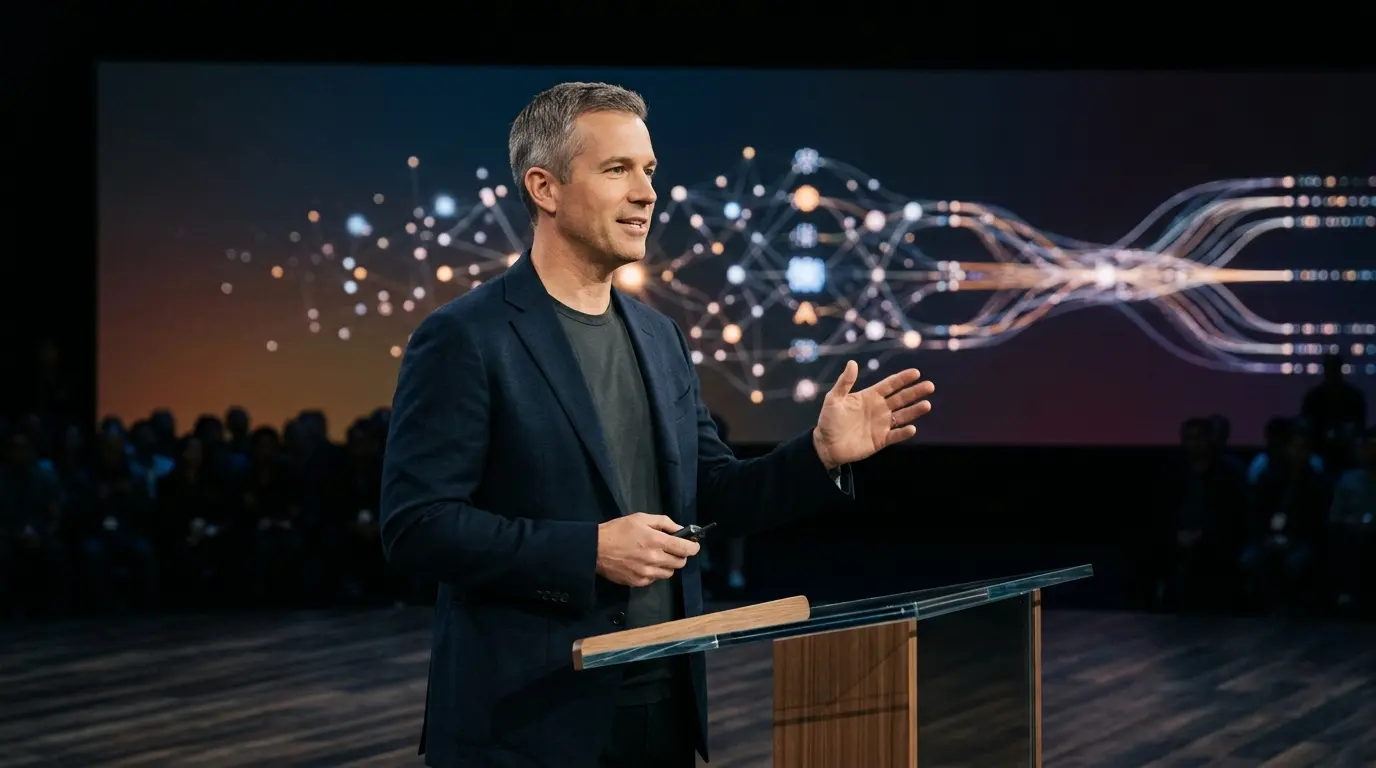
John Ternus stands at the helm of Apple’s next era. The hardware veteran takes on the massive responsibility of steering the company through this ambitious transition since the iPhone. This leadership change signals a complete commitment to artificial intelligence across every device.
The company appointed John Ternus to lead this significant shift toward artificial intelligence. The hardware veteran now oversees the integration of complex machine learning models into the company's core products. This transition marks a departure from traditional updates, focusing instead on deep software-hardware synergy.
Leadership believes Ternus possesses the technical background necessary for this massive undertaking. The goal remains simple: making artificial intelligence a daily reality for millions of users worldwide.
Engineering a New Future for Devices
Ternus spent years perfecting the architecture of iPhones and Macs. Now, his focus shifts toward making these machines think more effectively. This direction ensures Apple stays ahead of competitors in the rapidly growing silicon market.
The company plans to embed intelligence directly into its chips. These hardware improvements allow for faster processing without sacrificing battery life. According to reports from industry analysts, this strategy will define the next decade of consumer technology.
Ternus manages the push for total integration. His background in engineering provides the technical depth required to merge silicon with smart software. This move ensures Apple maintains a reputation for quality while adopting new tools.
- Accelerate the development of neural engines in mobile chips.
- Oversee the launch of intelligent personal assistants.
- Ensure user privacy while processing large data sets.
- Coordinate between hardware and software teams for better performance.
Strategic Goals for the AI Era
Privacy remains a core value during this expansion. Ternus insists on keeping data on the device rather than the cloud. This approach differs from competitors who rely on external servers to process user information.
Investors watch this transition closely. Success under Ternus would solidify the future of the company for the next twenty years. Failure would leave the door open for other tech firms to take the lead in the artificial intelligence race.
The team focuses on making every device smarter through local processing. Ternus previously worked on the transition to Apple Silicon, which proved successful for Mac sales. Now, his team applies those lessons to machine learning tasks.
| Focus Area | Strategic Objective |
| Hardware Integration | Embedding neural engines into every chip |
| Software Synergy | Creating AI-driven user experiences |
| Market Position | Securing dominance against global rivals |
| Privacy Standards | Maintaining secure on-device processing |
The hardware chief faces the challenge of maintaining the sleek design of Apple products while adding power-hungry processing capabilities. His leadership will determine if the company remains a trendsetter. The world waits to see how these new features will function in daily life.
Ternus has the capacity to reshape how people interact with technology. This era requires a blend of innovation and stability. Apple seems confident in choosing Ternus to bridge the gap between classic hardware and the future of intelligence.

byDavid Porter


Loading