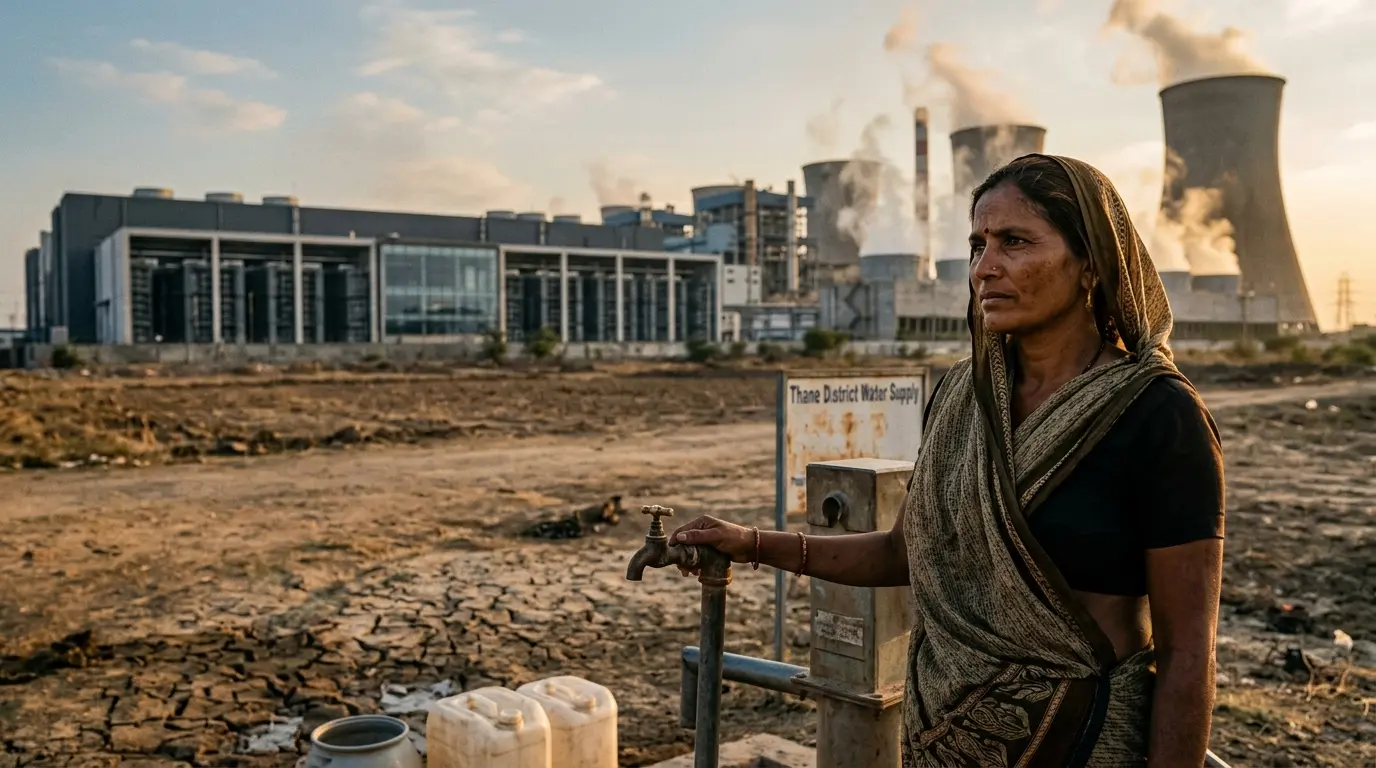
The rapid expansion of artificial intelligence infrastructure across India carries a heavy environmental price tag. Large data centers required for processing complex algorithms consume millions of liters of water for cooling systems every single day.
Recent reports indicate regions like Jamnagar and Thane now face severe water stress because of this industrial surge. Local hubs struggle to balance the needs of residents against the demands of massive tech operations.
Digital growth often masks the physical resources required to maintain high-speed connectivity. Every search query and AI-generated image relies on a server kept cool by local water sources.
The Thirsty Nature of Big Tech
Data centers operate around the clock to keep the digital world running. These facilities generate immense heat, requiring constant liquid cooling to prevent hardware failure.
In Jamnagar and Thane, the sheer volume of water pulled from local sources creates an imbalance for the surrounding ecosystems. The environmental burden falls heavily on areas already managing limited resources.
Research suggests industrial water consumption in these districts threatens long-term sustainability. Local authorities now face difficult decisions regarding resource allocation between citizens and corporate giants.
- Cooling systems for AI servers require massive freshwater withdrawals.
- Jamnagar and Thane are identified as high-risk zones for water depletion.
- Industrial demand often competes with residential and agricultural needs.
- Rising temperatures increase the amount of water needed to keep servers functional.
Expansion plans show no signs of slowing down despite these environmental warnings. Companies flock to these regions due to established power grids and connectivity.
This concentration of tech assets creates a localized crisis for residents who rely on the same water tables. Future projects must address these consumption levels to avoid total depletion.
Balancing Growth and Sustainability
Implementing closed-loop systems or air-cooling alternatives represents one path forward. Current operations prioritize speed and cost-effectiveness over resource preservation.
Communities in Thane and Jamnagar witness the impact first-hand as water levels drop. Agriculture and household access feel the pinch when tech hubs draw massive amounts.
This tension highlights the conflict between national economic ambitions and regional environmental stability. India aims to become a global leader in artificial intelligence and digital services.
Achieving this goal requires building even more data centers in strategic locations. Thane and Jamnagar offer the necessary infrastructure, but the environmental trade-off grows more apparent with each new facility.
Sustainability experts emphasize the need for more efficient cooling technologies to reduce the strain. Without immediate changes, these regions risk permanent damage to their local aquifers.
The situation highlights a hidden cost of the modern digital economy. While AI offers immense benefits for productivity, the environmental footprint demands serious attention.
Summary of Regional Water Impact
| Region | Primary Cause of Stress | Resource Impact |
| Jamnagar | AI Infrastructure Growth | High Freshwater Demand |
| Thane | Data Center Concentration | Increased Resource Scarcity |
| Overall Trend | Rapid Tech Expansion | Regional Water Shortages |
Pressure on these regions will likely intensify as more firms announce new data center developments. Local government officials must implement stricter regulations regarding water recycling and treatment.
Such measures ensure industrial growth does not come at the expense of basic human needs. Sustainable practices must become the standard for every new facility built in the country.
The data provided by industry analysts paints a worrying picture for the next decade. Water scarcity leads to higher costs for everyone involved in the supply chain.

byDavid Porter


Loading