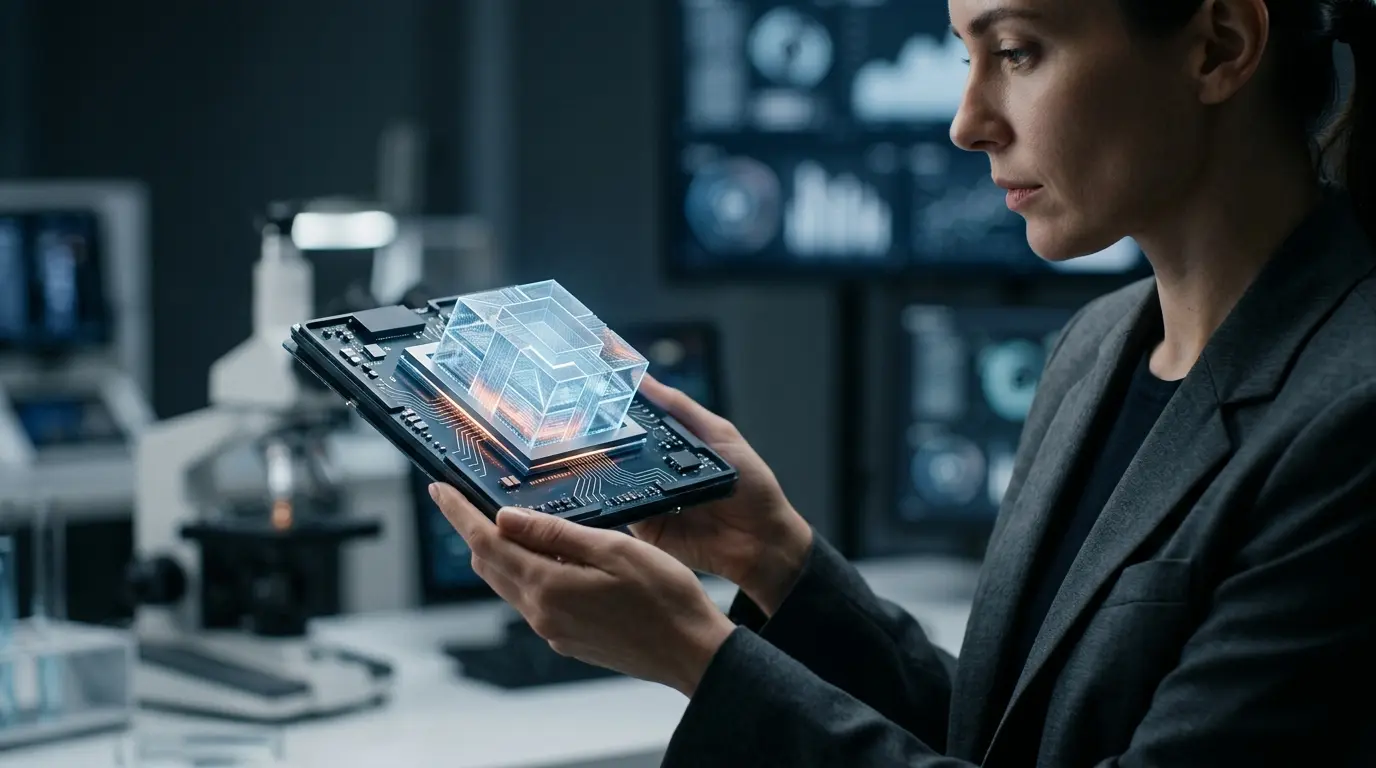
Huawei plans a massive hardware shift for mobile processors arriving in 2026. The company focuses on specific techniques known as TAU scaling and logic-folding to boost performance levels. These innovations address current production limits while aiming for top-tier speed and efficiency.
Silicon density increases through these complex measurements. Engineers aim for a design which survives without restricted Western tools. This internal architectural improvement changes how the processor handles data flow.
| Feature | Details |
| Target Release | September 2026 |
| Primary Scaling Tech | TAU Scaling |
| Design Logic | Logic-Folding Measurements |
| Main Objective | High Silicon Density |
Reshaping Silicon Architecture Through Logic Folding
Internal reports indicate Huawei targets 2026 for these Kirin chip upgrades with specific density goals. This strategy removes the need for advanced lithography machines currently blocked by trade sanctions. The focus shifts to clever arrangements of transistors instead.
The logic-folding process targets the way circuits fold within the chip layers. This technique provides a way to increase performance without decreasing the physical size of each transistor. Huawei moves forward with a clear plan to dominate the domestic market and challenge global giants.
- Optimized space for higher transistor counts.
- Lower power consumption during high-intensity tasks.
- Better thermal management for thin mobile devices.
- Reduced reliance on external fabrication advancements.
- Enhanced AI processing speeds for future software.
Engineers believe this method bypasses traditional manufacturing hurdles. By rethinking the layout, the hardware achieves speeds previously thought impossible on older production nodes. The domestic supply chain gains a significant boost from this technical progress.
Strategic Independence for 2026 Hardware
The 2026 timeline gives the company enough room to perfect these techniques. Previous chips struggled with efficiency at high clock speeds, but this new method solves many heat problems. Mobile users expect significant gains in multitasking and gaming power once these units hit the market.
By focusing on TAU scaling, the design team balances electrical resistance and signal speed. This balance ensures the processor stays fast under heavy workloads without draining battery life. The upcoming Kirin series represents a major step toward self-sufficiency in the semiconductor industry.
Strategic growth depends on these internal breakthroughs. As international pressure continues, Huawei finds success by looking at physics-based solutions rather than external tool acquisition. The industry watches closely as these 2026 milestones approach.
Success with logic-folding means the company produces world-class silicon regardless of global supply issues. Future smartphones will carry these chips to provide a seamless user experience. This development marks a new era for local hardware production and design excellence.

byDavid Porter
Popular news

AI Stocks Plunge: Meta Loses 9% as ASML Also Slides

Phishing Emails Are Now Trying to Trick the AI in Your Inbox

Google gives entrepreneurs AI help with branding and bookkeeping

Indeed: Employers Value References More as AI Enters the Hiring Process

Claude Hides Secret Messages in Images—and Can Read Them Back
Latest comments
Loading