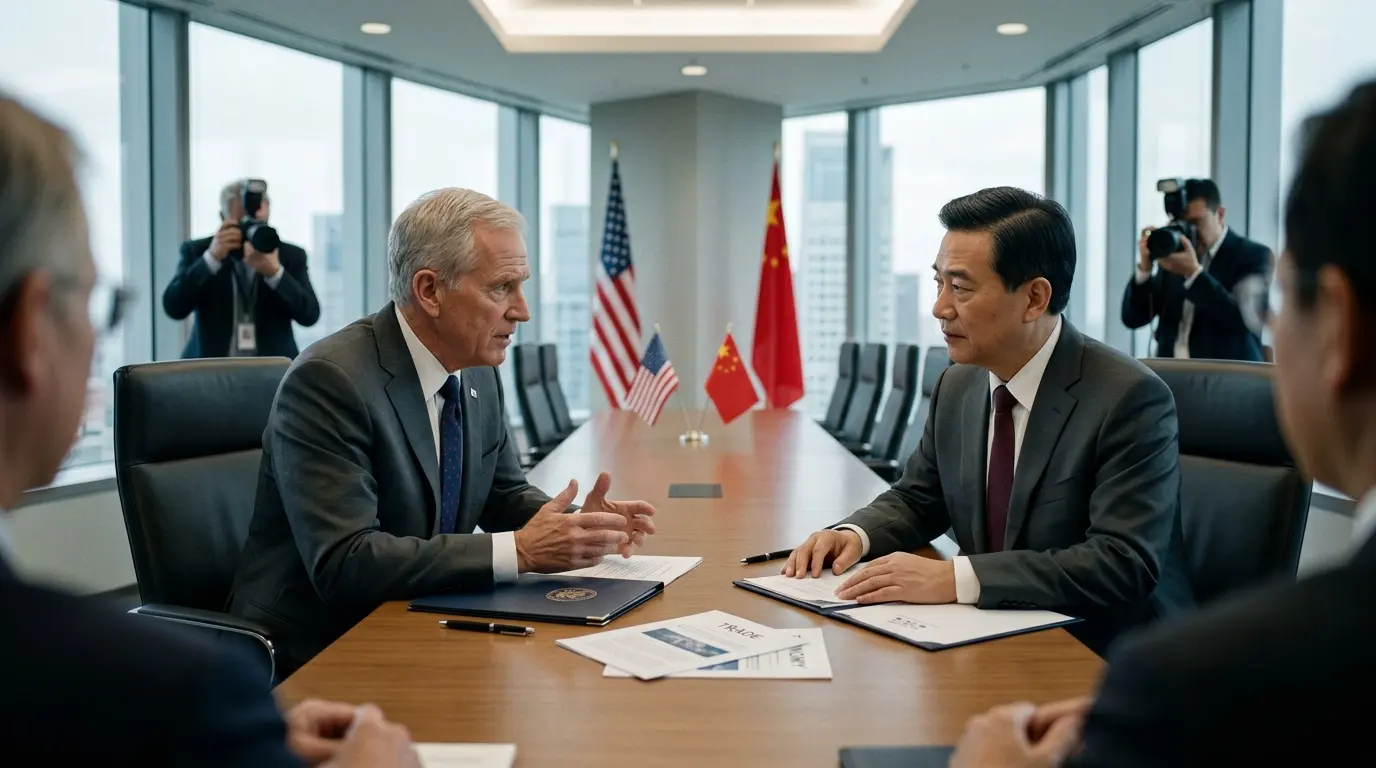
Washington and Beijing are preparing to sit across from one another for a new round of mid-level economic discussions. These meetings represent a significant step in managing the complex financial relationship between the world largest economies.
Officials aim to address persistent friction points while seeking common ground on global financial stability. The upcoming dialogue signals a preference for communication over escalating trade restrictions during a sensitive period for international commerce.
Shifting Dynamics in Global Trade Discussions
Economic delegates will examine the impact of industrial policy and production capacity on international markets. This specific focus addresses long-standing complaints regarding fair competition and market access for foreign firms within the Chinese market.
A successful meeting provides much-needed clarity for businesses operating across these borders. Investors watch closely to see if these talks lead to a reduction in recent tariff threats or other restrictive measures.
According to reports, the US and China are gearing up for these mid-level sessions to ensure open lines of communication. This approach helps prevent unexpected shocks to the global supply chain which relies on cooperation between these powers.
Participants plan to cover several vital areas of interest:
- Industrial subsidies and their effects on global price structures.
- Macroeconomic policies intended to stabilize inflation and currency values.
- Financial cooperation for debt-distressed developing nations.
- Methods for preventing sudden financial crises through transparent data sharing.
Strategic Goals and Long Term Financial Stability
Beyond immediate trade disputes, the agenda covers cooperation on climate finance and international lending standards. These topics reflect a broader effort to handle shared global responsibilities despite ongoing political differences between the two capitals.
Both nations recognize total economic separation causes severe damage to global prosperity. These working groups strive to establish a framework for competition avoiding accidental conflict or total market fragmentation.
Recent reports suggest these discussions precede higher-level diplomatic engagements expected later this year. Maintaining regular contact at the technical level builds the necessary foundation for major policy shifts at the executive level.
Specific data points regarding the meeting structure highlight the organized nature of this engagement:
| Category | Details of Engagement |
| Primary Participants | US Treasury and Chinese Ministry of Finance |
| Meeting Level | Mid-level Economic Working Groups |
| Primary Focus | Trade imbalances and industrial policy |
| Strategic Intent | Stabilization of bilateral financial relations |
Treasury officials emphasize the need for healthy competition rather than zero-sum economic warfare. Sustained dialogue remains the primary tool for managing the risks associated with such a massive trade partnership.
Success depends on the ability of both sides to offer transparency regarding domestic economic targets. Clear communication regarding fiscal priorities reduces the likelihood of reactionary policies from either side in the coming months.

byDavid Porter
Popular news

AI Stocks Plunge: Meta Loses 9% as ASML Also Slides

Phishing Emails Are Now Trying to Trick the AI in Your Inbox

Google gives entrepreneurs AI help with branding and bookkeeping

Claude Duet Keeps Working After You Close Your Laptop

Indeed: Employers Value References More as AI Enters the Hiring Process

Claude Hides Secret Messages in Images—and Can Read Them Back
Latest comments
Loading