Google Assistant starts shutting down September 4: Gemini takes over Android for good
NewsThursday, 06 August 2026 at 08:00
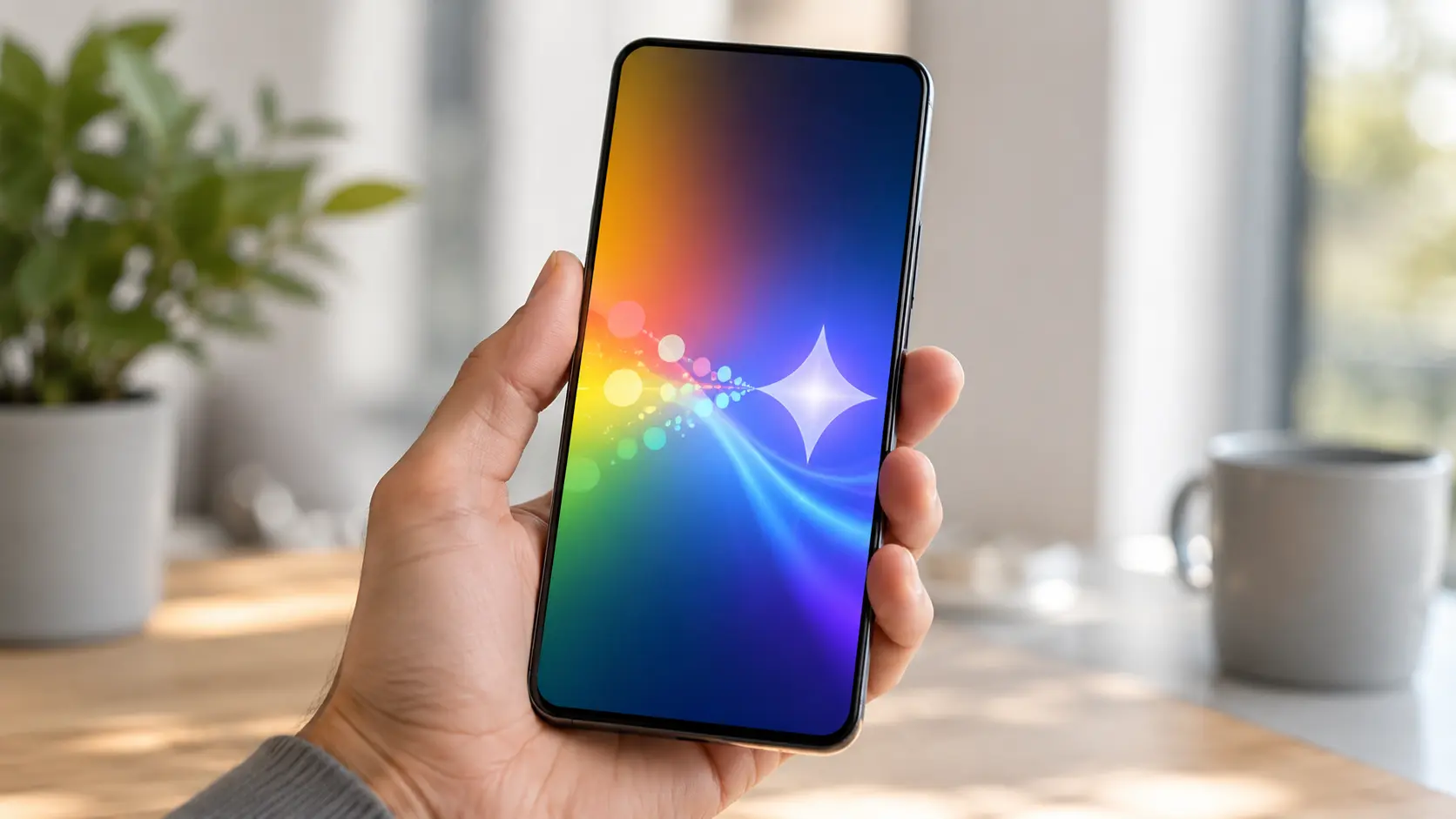
Starting September 4, 2026, Google will begin removing Google Assistant from Android phones and tablets. Connected devices—including Wear OS watches, headphones, earbuds, and cars that use Android Auto via a phone—are part of the switch. On eligible devices, Gemini will become Google’s only digital assistant.
The change won’t hit everyone on the same day. In an email to users, Google says the phase-out starts on September 4 and may take several weeks. Once Assistant is removed from a device, you can’t turn it back on. This finally puts a hard date on the transition Google announced in 2025.
Which devices are losing Google Assistant?
The announcement primarily targets mobile devices and their accessories. That includes:
- Android phones and tablets that meet Gemini’s system requirements;
- Wear OS smartwatches;
- eligible headphones and wireless earbuds;
- cars that project Android Auto from a phone.
There are exceptions for now. In cars with Google built-in, Google Assistant will continue to work after September 4. The new deadline also doesn’t immediately apply to Google Home speakers, smart displays, and Google TV. Google is building Gemini experiences for those devices too, but hasn’t set the same end date for Assistant there.
Older mobile devices are another exception. Google previously said Assistant will continue to work, for now, on devices that don’t meet Gemini’s minimum requirements. Availability by country, language, and account type can also vary. So the transition is big—but not literally universal.
What changes when Gemini takes over?
Launched in 2016, Google Assistant was built for short, predictable tasks: set a timer, place a call, play music, control the lights. Gemini aims to handle longer conversations, interpret what’s on your screen, and answer multi-step questions.
On paper, that makes Gemini far more versatile. But the switch won’t be an automatic upgrade for everyone. Classic voice assistants often execute simple commands quickly and predictably. Generative AI seeks more context—sometimes responding differently than expected. And not all features, languages, and integrations are available everywhere yet.
In recent months, Google has added features like timers, music controls, and lock-screen actions to Gemini and made switching to Gemini easier. That helps close the gap with Assistant for everyday tasks. At the same time, Gemini offers new capabilities Assistant never had, including Gemini Live and in-depth exploration with Deep Research.
Do you need to do anything now?
For most users, no complex migration is required. Google will replace the assistant on eligible devices automatically. Still, it’s smart to check three things before September.
First, confirm that Gemini is available in your language and on your device. Next, review the commands you use most—like routines for lights, music, navigation, or messaging. Test them in Gemini now so you don’t discover changes only after the switch.
Finally, review your activity settings. Conversations with Gemini fall under different controls than classic Assistant queries. In the Gemini app, you can decide whether to save activity and manage connected apps. Switching to a generative assistant isn’t just a new logo—it’s a good time to revisit your privacy choices.
Why is Google ending Assistant now?
Google calls this a platform shift. Assistant relied on speech recognition and predefined actions, while Gemini—as a generative AI system—can work more freely with text, images, voice, and apps. Maintaining two assistants in parallel also consumes time and leaves users guessing which features live where.
The deadline signals that Google is ending that overlap. Starting in September, the question on modern Android devices isn’t if Gemini will replace Assistant, but when the change reaches your device.
One caveat for users: September 4 marks the start of the phase-out, not a global overnight switch. Google Assistant will disappear from most modern mobile devices, but it will stick around for now in parts of the smart home and in certain cars.

Latest comments
Loading